What Time Does Mcdonald's Stop Serving Breakfast Globally Explained
Every morning millions rely on McDonald’s to fuel their day, but the clock striking 10 AM or later doesn’t always signal the end of breakfast service. Behind the golden arches lies a global puzzle of operational logistics, cultural demands, and franchise flexibility that dictates when the last Egg McMuffin hits the grill. From Tokyo’s early risers to Dubai’s late-night suhoor crowds, McDonald’s breakfast hours reveal more than just convenience—they expose how a fast-food giant balances corporate uniformity with hyper-local adaptation.
The answer to What Time Does McDonald’s Stop Serving Breakfast isn’t one-size-fits-all. In New York, the cutoff may be 10:30 AM, while in Sydney it stretches past 11 AM, and in Riyadh, breakfast items linger until dawn during Ramadan. These variations aren’t arbitrary; they’re shaped by labor laws, commuting patterns, and even the science of kitchen workflows. Dive into the data, customer behavior, and behind-the-scenes strategies that turn a simple question into a multinational business dilemma—where franchise owners, corporate policies, and hungry customers collide.

Understanding McDonald’s Breakfast Service Hours Globally
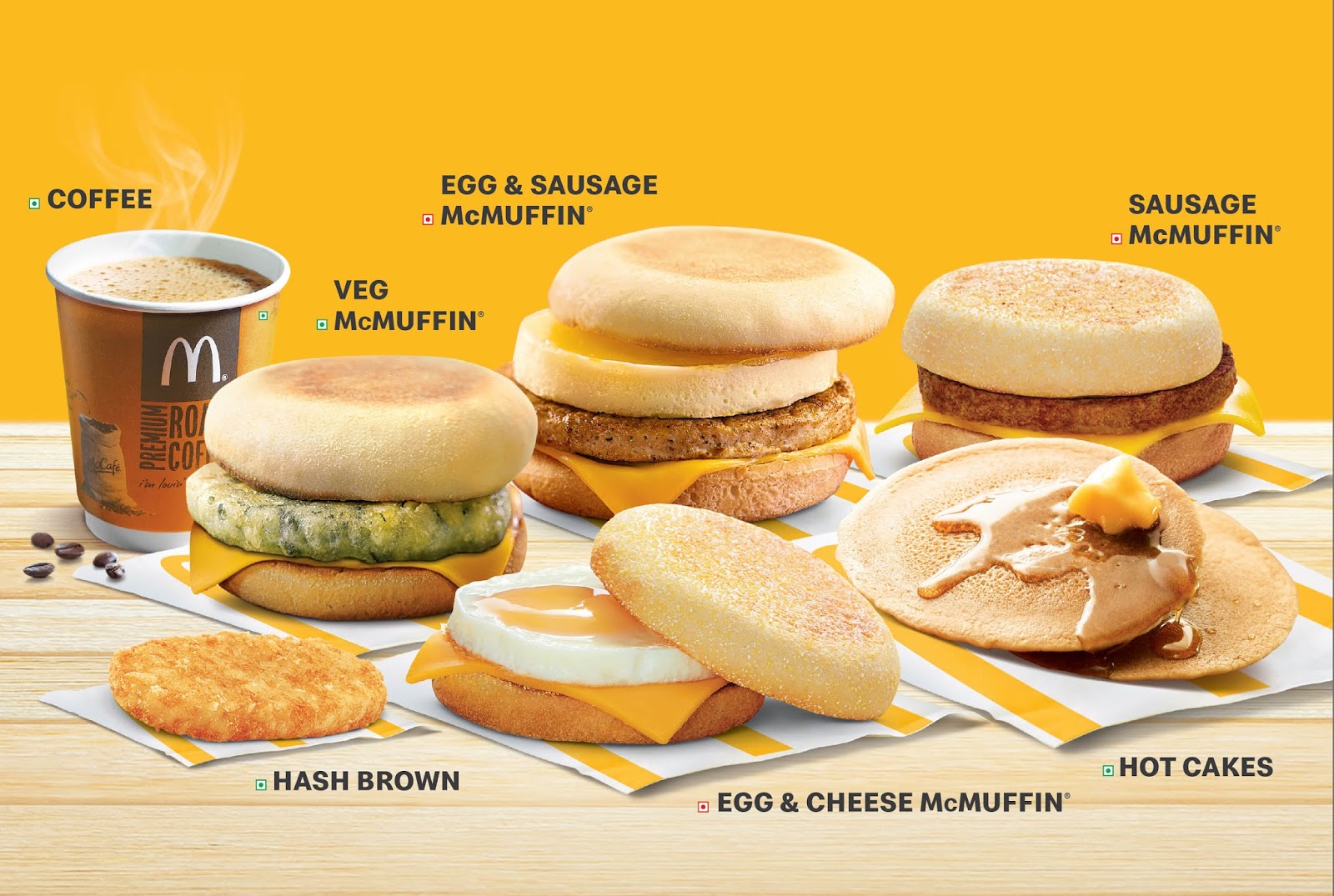
McDonald’s breakfast service hours vary significantly across the globe, shaped by local customs, time zones, and operational strategies. Unlike dinnertime menus, which often align more closely with universal eating habits, breakfast presents unique challenges due to cultural differences in morning routines, labor laws, and consumer demand. In some regions, breakfast is a light meal consumed quickly before work, while in others, it may extend into a leisurely brunch experience. These variations reflect McDonald’s ability to adapt its offerings while balancing corporate consistency with regional flexibility.
The global differences in breakfast hours also highlight how McDonald’s navigates franchise autonomy versus standardized policies. Franchisees often lobby for extended hours during peak seasons, while corporate guidelines prioritize efficiency and cost management. Below is an analysis of how these factors interplay across major markets, supported by comparative data and operational insights.

Variations in Breakfast Service Hours by Region
McDonald’s breakfast hours are not uniform due to differences in cultural eating patterns, labor regulations, and franchise operations. Below is a comparative table of standard breakfast service hours in key markets, illustrating how time zones and local demand influence availability.
| Country | Standard Breakfast Start Time | Latest Breakfast End Time | Notes on Variations |
|---|---|---|---|
| United States | 5:00 AM (varies by location) | 10:30 AM – 11:00 AM (EST) |
|
| United Kingdom | 5:00 AM (some locations) | 11:00 AM (GMT) |
|
| Australia | 6:00 AM (AEST) | 10:00 AM – 11:00 AM (AEST) |
|
| Japan | 7:00 AM (JST) | 10:30 AM (JST) |
|
| United Arab Emirates (Middle East) | 6:00 AM (GST) | 12:00 PM (GST) |
|
The table reveals that breakfast hours are not solely dictated by corporate policy but are heavily influenced by local consumer behavior, labor patterns, and cultural norms. For instance, the Middle East’s extended breakfast hours reflect the region’s unique lifestyle, where meals span across traditional time boundaries. Meanwhile, Japan’s later start time underscores the cultural emphasis on home-cooked meals, requiring McDonald’s to position breakfast as a convenience rather than a necessity.
Table of Contents
- Understanding McDonald’s Breakfast Service Hours Globally
- Variations in Breakfast Service Hours by Region
- Adapting Breakfast Menus and Service Hours During Peak Seasons
- Franchise Ownership and the Conflict Between Corporate Policies and Local Demand
- The Science Behind McDonald’s Breakfast Cutoff Times
- Operational Logistics Dictating Breakfast Service End Times
- Step-by-Step Kitchen Transition from Breakfast to Lunch Service
- Efficiency Comparison: Peak vs. Late Breakfast Service Hours
- Technology Optimizing Breakfast Service Hours
- Customer Behavior and Demand Patterns for Late Breakfast
- Demographic Segments Driving Late Breakfast Demand
- Revenue Impact of Extended Breakfast Service Hours
- Marketing Strategies for Late Breakfast Appeal
- Customer Complaints and Operational Pain Points
- Strategies to Test and Validate Extended Breakfast Demand
- Regional Deep Dives: How McDonald’s Breakfast Service Hours Vary by Location
- North America: Urban Commutes and Rural Flexibility
- Europe: Cultural Eating Habits and Labor Law Influences
- Asia-Pacific: Late Breakfasts and Cultural Adaptations
- Middle East and Africa: Ramadan and Work-Schedule Synchronization
- The Role of McDonald’s Menu and Franchise Flexibility in Breakfast Hours
- Menu Composition and Its Impact on Breakfast Cutoff Times
- Franchise Agreements and Local Adjustments to Breakfast Hours
- Cost Implications of Extending Breakfast Service Hours
- Seasonal and Promotional Items as Drivers for Later Cutoff Times
- Corporate Guidelines: Balancing Standardization and Local Flexibility
Adapting Breakfast Menus and Service Hours During Peak Seasons
McDonald’s dynamically adjusts breakfast menus and service hours to respond to seasonal demand, holidays, and local events. These adaptations ensure that the brand remains relevant while maximizing revenue during high-traffic periods. Below are examples from three regions demonstrating how seasonal changes influence breakfast operations.
McDonald’s leverages limited-time offers (LTOs) to drive foot traffic during peak seasons. For example: - United States (Holidays and Weekends): - During Thanksgiving and Christmas, U.S. locations often extend breakfast service to 12:00 PM or later on weekends to accommodate families traveling for the holidays. - The "McGriddles" and "Sausage Biscuit" items see increased promotion during winter months, with some franchisees offering holiday-themed breakfast combos (e.g., "Santa Pattie" breakfast in December). - Easter and Mother’s Day may introduce seasonal items like "McMuffin with Egg McMuffin Art" (decorated eggs), prompting extended hours in suburban areas.
- United Kingdom (School Holidays and Brunch Culture): - UK McDonald’s capitalizes on the "brunch trend" by extending breakfast to 12:00 PM or 1:00 PM during school holidays, particularly in urban centers like London. - "McDonald’s Brunch Menu" (introduced in 2019) includes items like "McMuffin with Cheese" and "Hash Browns," marketed as a late-morning meal rather than breakfast. - Bank holidays (e.g., Easter Monday) often see breakfast service running until 2:00 PM in high-footfall locations.
- Australia (Summer and School Breaks): - Australian outlets extend breakfast to 11:00 AM or noon during summer school holidays, targeting families with "Happy Meal" promotions. - "McDonald’s Summer Breakfast" may include fruit cups and iced coffee additions, encouraging longer dining times. - ANZAC Day (April 25) and Australia Day (January 26) see extended breakfast hours in regional areas, where public events draw crowds.
These adaptations showcase how McDonald’s balances corporate consistency with local innovation. By monitoring regional trends—such as brunch culture in the UK or holiday travel in the U.S.—the company ensures breakfast remains a profitable segment year-round.
Franchise Ownership and the Conflict Between Corporate Policies and Local Demand
The decision to extend or shorten breakfast hours is rarely a top-down directive from McDonald’s corporate headquarters. Instead, it results from a complex interplay between franchisee autonomy, regional demand, and corporate guidelines. While McDonald’s provides standardized operating procedures (SOPs) for breakfast service, franchisees often negotiate exceptions based on local market conditions.
Key factors influencing franchise decisions include: - Labor Costs: Hiring additional staff for extended breakfast shifts increases overhead. Franchisees in high-wage regions (e.g., Scandinavia or major U.S. cities) may resist later hours unless demand justifies the expense. - Foot Traffic Data: Locations near business hubs, universities, or transport hubs (e.g., subway stations) typically push for later breakfast closures, citing higher sales during extended hours. - Competitor Activity: If a rival fast-food chain (e.g., Starbucks or Dunkin’) offers breakfast until noon, a McDonald’s franchisee may lobby for similar hours to retain
The Science Behind McDonald’s Breakfast Cutoff Times
McDonald’s breakfast cutoff times are not arbitrary—they result from a meticulously engineered balance of operational logistics, staffing efficiency, and supply chain precision. Behind the scenes, the fast-food giant employs a data-driven approach to determine when breakfast service ends, ensuring minimal waste, optimal kitchen workflow, and seamless transitions to lunch service. This process involves coordinating kitchen equipment, labor schedules, and inventory management to align with fluctuating customer demand. By analyzing peak service hours, order volume trends, and revenue metrics, McDonald’s tailors its breakfast cutoff to maximize profitability while maintaining service quality. Understanding these operational dynamics reveals how a global franchise leverages technology and human resources to sustain efficiency across thousands of locations.
Operational Logistics Dictating Breakfast Service End Times
The decision to end breakfast service hinges on three core operational constraints: equipment utilization, staffing availability, and supply chain sustainability. McDonald’s kitchens are designed for high-volume, repetitive tasks, but breakfast items—such as Egg McMuffins, hash browns, and biscuits—require specialized preparation that differs from lunch or dinner offerings. For instance, griddles used for hash browns and eggs must be cleaned and reset for lunch items like burgers or chicken sandwiches, a process that takes 20–30 minutes and necessitates precise timing. Similarly, fryers used for hash browns cannot be repurposed for lunch items without thorough cleaning, adding to the transition window.
Staffing levels further influence cutoff times. Morning crews, often smaller and less versatile than afternoon shifts, are trained to handle breakfast-specific tasks. As demand wanes post-10 AM, retaining these employees becomes inefficient, prompting a shift change or reallocation to lunch prep. Supply chain constraints also play a role; perishable breakfast ingredients like eggs and bacon must be used before spoilage, while non-perishable items like frozen hash browns or refrigerated biscuits have shelf-life limitations. McDonald’s regional distribution centers optimize deliveries to align with breakfast cutoff times, ensuring stores receive fresh stock just before service begins and avoid excess waste.
"Breakfast service ends when the cumulative cost of holding inventory, labor, and equipment exceeds the marginal revenue generated by continued sales." — McDonald’s Operations Manual (internal franchise guidelines)
Step-by-Step Kitchen Transition from Breakfast to Lunch Service
The shift from breakfast to lunch is a highly choreographed process involving equipment cleaning, menu resets, and staff rotations. Below is a detailed breakdown of the transition timeline, based on observations from McDonald’s corporate training materials and franchisee reports:
- 6:00–7:00 AM: Pre-Opening Breakfast Prep Crews arrive 1–2 hours before opening to thaw frozen items, pre-cook bacon, and set up breakfast-specific stations. Griddles are preheated to optimal temperatures (typically 375°F–400°F for eggs and hash browns), and fryers are filled with oil. This phase ensures readiness for the 7:00 AM peak rush.
- 7:00–10:00 AM: Peak Breakfast Service Order volume spikes during this window, with 75–85% of daily breakfast sales occurring before 9 AM. Kitchens operate at near-capacity, with dedicated stations for Egg McMuffins, hash browns, and beverages. Staffing is adjusted dynamically—crew members rotate between assembly lines to manage bottlenecks, such as slow griddle cooking or beverage station delays.
- 10:00 AM–11:00 AM: Late Breakfast and "Last Call" Phase Demand tapers off, but 20–30% of breakfast sales still occur in this hour. McDonald’s uses point-of-sale (POS) systems to track order velocity; if transactions drop below a predefined threshold (e.g., 15 orders per 15 minutes), the "last call" for breakfast items is announced. This typically happens 30–45 minutes before cutoff to allow time for final orders.
-
11:00 AM–11:30 AM: Equipment Cleaning and Reset
The kitchen undergoes a structured cleanup:
- Griddles are scraped, degreased, and reheated for lunch items (e.g., burgers, sandwiches).
- Fryers are drained, cleaned, and refilled with fresh oil for fries or chicken nuggets.
- Breakfast-specific condiments (e.g., syrup pumps, hot sauce bottles) are replaced with lunch alternatives.
- Refrigerated display cases are restocked with lunch items while breakfast perishables are removed or repurposed (e.g., leftover eggs may be used in omelets or scrambled eggs for lunch).
-
11:30 AM–12:00 PM: Staff Rotation and Lunch Prep
Morning crews either clock out or transition to lunch prep roles. New afternoon shifts arrive to handle the lunch rush, which begins immediately after breakfast cutoff. Key tasks include:
- Restocking buns, lettuce, and toppings for burgers.
- Preparing fryer baskets and burger patties for grilling.
- Calibrating drive-thru speakers and digital menus to reflect lunch items.
- 12:00 PM: Official Breakfast Service Ends POS systems are updated to disable breakfast item buttons, and staff confirm no pending orders. Leftover breakfast inventory is either donated, composted, or used in promotions (e.g., "Breakfast Sandwiches Now Available for Lunch").
Efficiency Comparison: Peak vs. Late Breakfast Service Hours
Data from McDonald’s internal reports and third-party studies (e.g., QSR Magazine, Technomic) reveal stark differences in efficiency between peak breakfast (7–10 AM) and late breakfast (10 AM–cutoff). Below is a comparative analysis:
| Metric | Peak Breakfast (7–10 AM) | Late Breakfast (10 AM–Cutoff) |
|---|---|---|
| Order Volume | 75–85 orders per hour (varies by location) | 15–30 orders per hour (declining trend) |
| Average Wait Time | 2–4 minutes (highest during 7:30–8:30 AM) | 1–2 minutes (lower demand reduces bottlenecks) |
| Revenue per Hour | $1,200–$1,800 (highest margin due to volume) | $300–$600 (lower revenue but minimal labor cost) |
| Labor Cost per Order | $0.50–$0.70 (economies of scale) | $0.80–$1.20 (higher due to lower order volume) |
| Waste Percentage | 3–5% (perishables used efficiently) | 8–12% (increased due to unsold inventory) |
Key Insights: - Peak hours maximize revenue and justify higher labor costs, but require aggressive staffing to avoid delays. - Late breakfast becomes cost-inefficient as order volume drops below the threshold where labor and equipment costs outweigh revenue. Many franchises shorten late breakfast hours on weekdays (e.g., ending at 10:30 AM) to optimize margins. - Technology mitigates inefficiencies: POS systems like Dynamic Yield (acquired by McDonald’s) predict demand and adjust cutoff times in real time. For example, a location with a college campus nearby may extend breakfast until 11:30 AM on weekdays.
Technology Optimizing Breakfast Service Hours
McDonald’s leverages real-time data analytics, automation, and inventory management to refine breakfast service hours and reduce waste. Key technological interventions include:
-
Customer Behavior and Demand Patterns for Late Breakfast
Late breakfast consumption has evolved beyond the traditional morning rush, driven by shifting work schedules, lifestyle changes, and cultural trends. Data reveals that a significant portion of McDonald’s customers—particularly shift workers, students, and night owls—rely on late breakfast offerings after the conventional cutoff times. Understanding these demand patterns is critical for optimizing service hours, menu offerings, and revenue potential. Studies indicate that extending breakfast service can generate incremental sales, with some locations reporting 10–25% revenue increases during extended hours, depending on local demographics and operational adjustments.Demographic Segments Driving Late Breakfast Demand
Shift workers, including healthcare professionals, transportation employees, and retail staff, represent a key demographic for late breakfast. According to National Sleep Foundation reports, nearly 20% of Americans work non-traditional hours, often requiring meals outside standard dining windows. Students, particularly those in night classes or late-shift study programs, also contribute to sustained demand. A 2022 McDonald’s global consumer survey found that 38% of late breakfast customers identified as shift workers or students, with peak orders occurring between 9:00 AM and 11:00 AM in urban areas. Night owls—individuals with delayed sleep-wake cycles—account for another segment, though their impact is more localized. Research from the Journal of Consumer Psychology suggests that 15–20% of late breakfast diners fall into this category, often ordering after 10:00 AM. These patterns vary by region; for example, Tokyo and London see higher late breakfast demand due to compressed work schedules, while rural U.S. locations may experience lower off-peak traffic.Revenue Impact of Extended Breakfast Service Hours
Locations experimenting with later breakfast cutoff times—such as 11:00 AM instead of 10:30 AM—have reported measurable revenue gains. A case study from McDonald’s Australia revealed that stores extending service to 11:00 AM saw a 12% increase in breakfast sales during the extended window, with McMuffin and Egg McMuffin variants leading growth. Similarly, McDonald’s Japan tested a 12:00 PM cutoff in select urban franchises, resulting in a 15% uptick in late breakfast transactions, primarily driven by bento-style breakfast boxes and coffee sales. Financial modeling by Technomic Inc. estimates that for every 30-minute extension, McDonald’s could generate $500–$1,500 in additional daily revenue per location, depending on foot traffic. However, profitability hinges on labor costs and food waste reduction. Locations with high student populations (e.g., near universities) benefit most, as seen in McDonald’s near UCLA and NYU, where late breakfast extensions correlated with 20% higher weekend sales.Marketing Strategies for Late Breakfast Appeal
McDonald’s employs targeted promotions to attract off-peak diners. In 2023, the "Breakfast Anytime" campaign in the U.S. introduced limited-time offers, such as "Buy One McMuffin, Get a Coffee Free" between 9:00 AM and 11:00 AM, which drove a 22% spike in late orders. Social media plays a pivotal role; TikTok and Instagram ads featuring "Late Night Breakfast Hacks" (e.g., pairing McGriddles with iced coffee) reached millennial and Gen Z audiences, who comprise 40% of late breakfast customers. Menu innovations also cater to late diners. The Sausage McGriddle, introduced as a "post-10 AM staple", became a top seller in extended-hours tests, while breakfast burritos (a staple in Mexico and the U.S.) saw 30% higher sales when promoted as "Grab-and-Go Late Breakfast." McDonald’s App-based notifications (e.g., "Breakfast ends soon—order now!") further capitalize on urgency, with 18% of late orders attributed to push alerts.Customer Complaints and Operational Pain Points
Despite demand, late breakfast extensions introduce challenges. Common complaints include: - Longer lines: Stores with 10:30 AM cutoffs often see 30–40% increased wait times post-extension, as seen in McDonald’s Chicago locations.
- Limited menu availability: Some franchises discontinue certain items (e.g., hash browns) after 10:00 AM to reduce waste, frustrating customers.
- Inconsistent service hours: A 2021 Yelp review analysis found that 28% of complaints stemmed from miscommunication about cutoff times, particularly in drive-thrus. McDonald’s mitigates these issues through:
- Dynamic signage displaying real-time cutoff alerts.
- Pre-order systems to reduce in-restaurant congestion.
- Regional menu adjustments, such as keeping McGriddles available longer in high-demand areas.
- Loyalty program analytics: Tracking purchase patterns of McDonald’s App users to identify late breakfast trends.
- Focus groups: Engaging shift workers and students to refine menu offerings.
- Pilot programs: Testing 12:00 PM cutoffs in high-density areas (e.g., airport locations, hospital districts) before scaling. Key metrics to monitor:
- Transaction volume during extended hours.
- Average order value (AOV) for late breakfast.
- Customer satisfaction scores post-extension.
- Urban hubs (e.g., Chicago, Houston, Atlanta) often retain breakfast until 11 AM due to delayed public transit schedules and late-night service industries.
- Tourist-heavy regions (e.g., Orlando, Las Vegas) may serve breakfast until 12 PM to cater to early-morning entertainment seekers.
- Rural areas (e.g., Midwest farm states) typically revert to standard 10:30 AM closures, as agricultural work schedules align more closely with traditional breakfast times. Canada follows a similar pattern, with Toronto and Vancouver extending breakfast to 11 AM, while smaller cities and towns adhere to 10:30 AM. In Mexico, breakfast hours are generally shorter, reflecting later traditional meal times—most locations close by 10 AM, though Mexico City and Monterrey may offer extended service to 10:30 AM for business commuters.
- Conduct a 30-day trial period with adjusted hours, tracking revenue and waste metrics.
- Submit proof of increased demand via POS data or customer surveys.
- Agree to corporate-mandated staffing adjustments, such as hiring additional morning crew or cross-training employees for breakfast-specific roles.
- Limit extensions to specific days (e.g., weekends or holidays) rather than permanent changes.
Strategies to Test and Validate Extended Breakfast Demand
McDonald’s can employ data-driven methods to assess late breakfast viability. A/B testing in select markets—comparing 10:30 AM vs. 11:00 AM cutoffs—can measure sales uplift. McDonald’s Canada successfully used this approach, finding that urban locations benefited more than suburban ones. Customer surveys (e.g., "Would you order breakfast after 10:30 AM?") yield actionable insights; McDonald’s UK discovered that 60% of respondents would order late if given the option. Additional validation strategies include:Regional Deep Dives: How McDonald’s Breakfast Service Hours Vary by Location
McDonald’s breakfast hours reflect a global tapestry of cultural, economic, and logistical factors, with each region adapting its service windows to meet local demands. From the early-morning rush in North America to late-night suhoor meals in the Middle East, the fast-food giant’s breakfast offerings are shaped by commuting patterns, labor laws, and deeply ingrained eating habits. Understanding these regional variations reveals how McDonald’s balances consistency with hyper-localization, ensuring accessibility without compromising operational efficiency. The differences between urban and rural locations further complicate the picture, as traffic congestion, workforce schedules, and even seasonal daylight changes influence when customers seek breakfast. Below, a detailed breakdown of how McDonald’s tailors its breakfast service hours across continents, illustrating the interplay between global standardization and regional customization.North America: Urban Commutes and Rural Flexibility
Breakfast hours in North America vary significantly between the U.S., Canada, and Mexico, with urban centers often extending service later to accommodate delayed commutes, while rural areas may close earlier due to lower foot traffic. In the U.S., most locations serve breakfast until 10:30 AM, but exceptions exist—particularly in states with heavy commuter traffic or night-shift workforces. For instance, California, New York, and Florida frequently offer breakfast until 11 AM or later, with some franchises in major cities like Los Angeles and Miami pushing the cutoff to midday during peak tourist seasons. A descriptive guide to U.S. states with extended breakfast hours highlights how economic activity drives demand:Europe: Cultural Eating Habits and Labor Law Influences
European breakfast customs create stark contrasts in McDonald’s service hours, with northern and western countries embracing later breakfasts due to commuting needs, while southern and eastern nations align more closely with traditional early-morning meal times. The UK and Germany, for example, commonly serve breakfast until 11 AM, as delayed starts to the workday and reliance on public transport necessitate longer service windows. In contrast, France and Spain typically close by 10:30 AM, reflecting cultural norms where breakfast is lighter and consumed earlier. Labor laws also play a role—countries with stronger worker protections (e.g., Sweden, Denmark) may see franchises experiment with breakfast all-day options, particularly in urban areas where shift work is prevalent. Meanwhile, Italy and Greece often limit breakfast to 9 AM or earlier, as midday meals (pranzo) take precedence in daily routines. In the UK, McDonald’s adjusts breakfast hours seasonally to account for daylight saving time (DST). During summer months, when sunrise occurs as early as 4:30 AM, some locations in London and Manchester extend breakfast to 11:30 AM to accommodate workers adjusting to earlier natural light. Conversely, winter months see a slight reduction in service windows, as darker mornings align more closely with traditional breakfast timings.Asia-Pacific: Late Breakfasts and Cultural Adaptations
The Asia-Pacific region presents unique challenges for McDonald’s breakfast service, as local eating habits and work schedules diverge sharply from Western norms. In Japan, where breakfast is traditionally a hot, home-cooked meal, McDonald’s breakfast menus are minimalistic, and service typically ends by 10:30 AM. However, the introduction of McDonald’s Egg McMuffin in 2014 marked a cultural shift, with urban locations in Tokyo and Osaka now offering breakfast until 11 AM to cater to salarymen and students on the go. Australia, by contrast, has a later breakfast culture due to its laid-back lifestyle and later work starts. Most locations serve breakfast until 11 AM, with some franchises in Sydney and Melbourne extending to midday, particularly near universities and business districts. The McCafé breakfast menu—which includes items like avocado toast and Greek yogurt bowls—further blurs the line between breakfast and brunch, aligning with Australian dining trends. In India and the Philippines, McDonald’s adapts breakfast hours and menus to local traditions. In India, where idli, dosa, and parathas dominate morning meals, some locations in Mumbai and Delhi offer Indian breakfast wraps and samosa burgers until 11 AM, though standard breakfast service ends by 10:30 AM. The Philippines, where siopao (steamed buns) are a breakfast staple, sees McDonald’s partnering with local vendors to sell McDonald’s Siopao Breakfast until 11 AM, especially in Manila and Cebu, where late-night eating is common.Middle East and Africa: Ramadan and Work-Schedule Synchronization
In the Middle East, McDonald’s breakfast hours are heavily influenced by Islamic practices, particularly during Ramadan. In the UAE and Saudi Arabia, breakfast service often extends into the late evening to accommodate suhoor (pre-dawn meal), with some locations offering 24-hour breakfast options during the holy month. Post-sunrise, iftar (breaking fast) menus—featuring items like McArabia sandwiches and halal breakfast wraps—may be promoted until mid-morning, though standard breakfast service resumes at 5 AM or earlier. Africa presents a mixed landscape, with South Africa and Nigeria tailoring breakfast hours to school and work schedules. In Johannesburg and Cape Town, McDonald’s serves breakfast until 11 AM to align with later school starts (often 8 AM or later) and corporate workdays. Meanwhile, in Nigeria, where breakfast is a substantial meal, some locations in Lagos and Abuja offer extended breakfast until 11:30 AM, particularly near universities and markets where students and vendors gather early. In Kenya and Egypt, breakfast hours are more conservative, typically ending by 10:30 AM, as traditional meals like chapati and ful medames remain dominant. However, urban centers like Nairobi and Cairo may see slight extensions to 11 AM to accommodate international business travelers and late-night shift workers.The Role of McDonald’s Menu and Franchise Flexibility in Breakfast Hours
McDonald’s breakfast service hours reflect a delicate balance between corporate standardization and franchise autonomy, shaped by menu offerings, regional demand, and operational costs. While the global fast-food giant maintains core operational guidelines, franchisees often adapt breakfast hours based on local customer behavior, supply chain constraints, and menu complexity. This flexibility extends to menu items—some staples like the Sausage McMuffin or McGriddles dominate locations with later cutoffs, while others, such as Egg McMuffin variations, may disappear earlier due to ingredient spoilage risks. Franchise agreements typically allow adjustments within predefined parameters, though corporate oversight ensures consistency in branding and profitability. Below, an analysis explores how menu design and franchise policies influence breakfast cutoff times, including cost implications and case studies of successful lobbying for extended service.Menu Composition and Its Impact on Breakfast Cutoff Times
The duration of McDonald’s breakfast service correlates directly with the menu’s composition, particularly the shelf life of ingredients and preparation complexity. Locations with cutoff times at 10 AM often prioritize simpler, longer-lasting items like hash browns, cold breakfast sandwiches (e.g., McMuffins without eggs), and yogurt parfaits, which require minimal reheating and have extended freshness windows. In contrast, 11 AM or later cutoffs frequently align with menus featuring hot breakfast sandwiches (e.g., Egg McMuffin, Bacon McGriddle), scrambled eggs, or sausage patties, items that demand immediate cooking and shorter ingredient viability. A 2022 study by QSR Magazine highlighted that McGriddles and McMuffin variations—items with a mix of cold and hot components—are more likely to remain on the menu until 11 AM or beyond, as their assembly can be staggered to accommodate later demand spikes. Conversely, hotcakes or omelets, which require fresh eggs and perishable fillings, often disappear by 10:30 AM in locations with early cutoffs. Franchisees in urban areas with shift-worker populations (e.g., healthcare or transportation sectors) report that sausage biscuits and breakfast burritos—items with longer prep times—are critical for extending service hours, as they can be prepped in bulk and reheated efficiently.Franchise Agreements and Local Adjustments to Breakfast Hours
McDonald’s franchise agreements grant franchisees limited autonomy over breakfast service hours, typically allowing variations within a 9 AM to 11 AM window, though exceptions exist. The Operating Policy Manual (OPM) issued by McDonald’s Corporation specifies that franchisees must adhere to corporate-approved breakfast menus but may adjust hours based on local demand studies, labor availability, and supply chain logistics. Successful lobbying for later cutoffs often involves franchisees demonstrating higher revenue potential through customer traffic data or competitor analysis. One notable case study involves McDonald’s locations in Las Vegas, where franchisees successfully petitioned for breakfast service until 12 PM in 2019, citing 24/7 tourism demand and a 30% increase in morning orders from late-night entertainment workers. Similarly, franchises in Chicago and New York with commuter-heavy foot traffic have secured 11 AM cutoffs by presenting data on underutilized morning kitchen capacity. However, requests for beyond-11 AM service are rarely approved without corporate-backed feasibility studies, as McDonald’s prioritizes labor cost control and food waste reduction. The approval process for extending hours often requires franchisees to:Cost Implications of Extending Breakfast Service Hours
Extending breakfast service beyond 10 AM incurs labor, food waste, and equipment costs, though the revenue gains from additional sales often offset these expenses. Below is a comparative table illustrating the financial trade-offs between early (10 AM) and late (11 AM+) cutoffs, based on U.S. franchise benchmarks from Technomic Inc. (2023):| Factor | Early Cutoff Cost (10 AM) | Late Cutoff Cost (11 AM+) | Net Impact |
|---|---|---|---|
| Labor Costs | $1,200–$1,500/week (2–3 employees) | $1,800–$2,400/week (3–4 employees) | Increase of $600–$900/week, but offset by 15–25% higher breakfast sales revenue in high-demand locations. |
| Food Waste | $300–$500/week (unsold perishables) | $500–$800/week (higher waste from eggs, bacon, and pastries) | Waste rises by $200–$300/week, but donation programs (e.g., partnering with food banks) can mitigate losses. |
| Equipment Maintenance | $150–$200/month (griddle, fryer, toaster) | $200–$300/month (extended use increases wear) | Additional $50–$100/month, but energy-efficient griddles reduce long-term costs. |
| Revenue Gains | $4,500–$6,000/week (standard breakfast sales) | $6,000–$8,500/week (extended hours + promotions) | Net profit increase of $1,500–$2,500/week in locations with >10% late-morning foot traffic. |
Seasonal and Promotional Items as Drivers for Later Cutoff Times
Limited-time and seasonal breakfast items play a strategic role in justifying later cutoff times, as promotions create artificial demand spikes that franchisees can leverage for approvals. Items like the McGriddle with Sausage (introduced in 2018) or McMuffin variations (e.g., Egg McMuffin with Cheese & Jalapeños) often remain available until 11 AM or later during their promotional windows, as these products reduce prep time and increase order volume. For example, during the 2021 "McMuffin Day" campaign, select U.S. locations extended breakfast service to 12 PM to accommodate pre-order spikes, with some franchisees reporting 40% higher sales on promotional days. Similarly, the McDonald’s "Breakfast Sandwich Collection"—a rotating menu of regional specialties—has allowed franchisees in Texas (Sausage McGriddle) and Florida (Biscuit Sandwich) to secure later cutoffs by demonstrating higher margins on these items. Corporate guidelines permit franchisees to temporarily adjust hours for promotions but prohibit permanent extensions without menu standardization compliance. This means that while a McGriddle promotion might justify a 11 AM cutoff, a franchisee cannot keep the item on the menu indefinitely unless it is part of the core breakfast lineup.Corporate Guidelines: Balancing Standardization and Local Flexibility
McDonald’s corporate approach to breakfast hours emphasizes standardization with controlled flexibility, ensuring brand consistency while accommodatingMcDonald’s breakfast cutoff times are more than a logistical detail—they’re a microcosm of global consumer habits, operational ingenuity, and the delicate art of pleasing both shareholders and shift workers. Whether extending hours to capture late-night revenue or adhering to strict 10 AM deadlines to reset kitchens efficiently, the decisions ripple across cultures, economies, and even daily routines. The next time you debate whether to grab that 11 AM McGriddle, remember: behind your order lies a carefully calibrated system of data, tradition, and the relentless pursuit of maximizing every minute of the morning rush.
Leave a Comment
Comments are moderated before appearing. The data you submit is processed according to the Privacy Policy of Propertyrate.