What Time Does Mcdonald's Stop Serving Breakfast Exact Hours Vary Worldwide
Every morning, millions of customers rely on McDonald’s to kickstart their day with a quick breakfast, but the clock ticks faster than many realize. The fast-food giant’s breakfast cutoff times are not set by a universal rulebook but by a complex interplay of corporate policies, local demand, and operational logistics. From the neon-lit drive-thrus of New York City to the quiet diners of rural America, the moment McDonald’s stops serving breakfast can differ by hours—or even disappear entirely in certain locations. This discrepancy raises critical questions: Why do some franchises extend breakfast service until noon while others halt it by 10:30 AM? How do franchise agreements and regional business models dictate these hours, and what happens when a customer arrives just minutes after the cutoff?
Behind the scenes, McDonald’s breakfast service is a finely tuned operation balancing food safety, kitchen workflows, and data-driven decisions. Corporate guidelines clash with franchise flexibility, while seasonal spikes—like Super Bowl Sundays or holiday weekends—force locations to adapt on the fly. Meanwhile, digital tools like the McDonald’s app and push notifications blur the lines between traditional breakfast hours and extended access. Yet, for customers who miss the cutoff, frustration often turns to creative workarounds, from pleading with staff to exploiting lesser-known locations with unique policies. Understanding these dynamics reveals not just when breakfast ends, but why—and how the fast-food giant constantly recalibrates to meet the demands of its most loyal early-rising patrons.

Understanding McDonald’s Breakfast Service Hours by Location
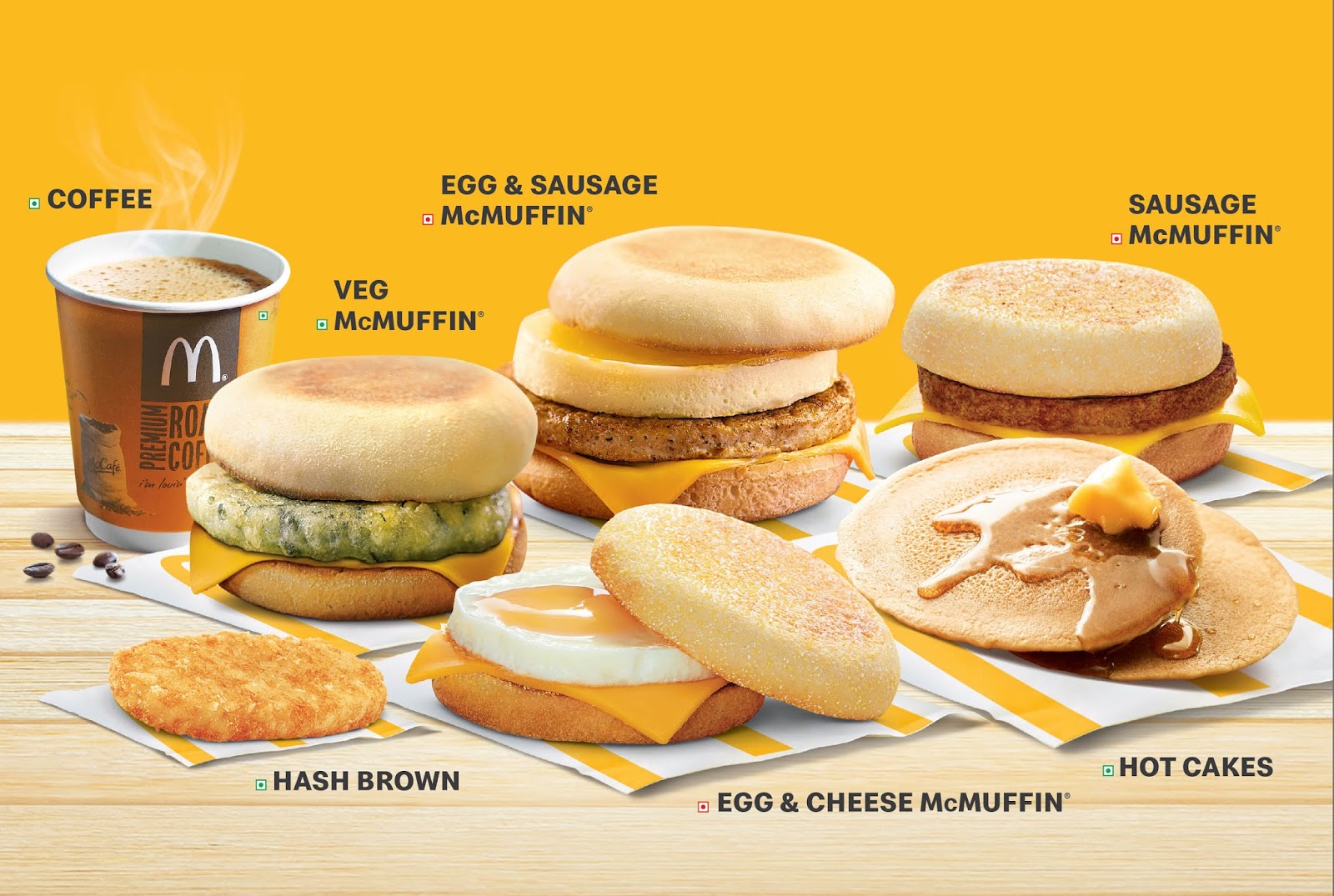
McDonald’s breakfast service hours vary significantly across locations due to a combination of corporate policies, local demand, and franchise autonomy. While the global fast-food giant provides general guidelines, individual franchisees often tailor hours to align with regional business models, economic activity, and customer behavior. This variability ensures that urban commuters in New York receive early-morning service, while rural diners in smaller towns might experience extended closures. Understanding these differences requires examining corporate directives, franchise flexibility, and how external factors—such as holidays, local events, and digital tools—shape service availability.
The inconsistency in breakfast hours stems from McDonald’s decentralized franchise model, where corporate guidelines serve as a foundation but leave room for adaptation. Franchisees in high-traffic areas may prioritize longer hours to capture commuters, while those in less populated regions might optimize for cost efficiency. Below, an analysis of these dynamics reveals how breakfast service evolves across major cities, rural areas, and specialized locations like airports and military bases.

Factors Influencing McDonald’s Breakfast Service Hours
McDonald’s breakfast service hours are shaped by three primary factors: regional business models, local demand, and franchise agreements. Corporate headquarters in Chicago establishes a baseline for breakfast service, typically recommending an opening time between 4:00 AM and 6:00 AM and a cutoff between 10:30 AM and 11:00 AM. However, franchisees adjust these times based on foot traffic patterns, labor costs, and competition.
In urban centers, breakfast service often begins as early as 4:00 AM to accommodate shift workers, early commuters, and nightlife patrons transitioning to daytime meals. Conversely, rural locations may delay openings until 6:00 AM or later, reflecting lower demand and reduced operational efficiency outside peak hours. Franchise agreements also play a critical role, as some locations operate under 24-hour models (common in airports or near highways) where breakfast is served continuously, while others adhere to traditional morning hours.
Table of Contents
- Understanding McDonald’s Breakfast Service Hours by Location
- Factors Influencing McDonald’s Breakfast Service Hours
- Corporate Guidelines vs. Franchise Operations
- Breakfast Service Hours in Major U.S. Cities vs. Rural Areas
- The Science Behind McDonald’s Breakfast Service Cutoff Times
- Kitchen Workflows and Staffing Transitions During Breakfast Cutoff
- Data Analytics and Sales Trends Influencing Breakfast Cutoff Decisions
- Comparison of Breakfast Cutoff Times Across Fast-Food Competitors
- Food Waste Reduction Strategies in McDonald’s Breakfast Service
- External Factors Altering McDonald’s Breakfast Service Hours
- McDonald’s Breakfast Menu Items and Their Impact on Service Hours
- Categorization of Breakfast Items and Their Preparation Time Influence
- Storage Requirements and Their Role in Breakfast Service Cutoffs
- Customer Experience When Requesting Breakfast After McDonald’s Official Cutoff Time
- Standardized Scripted Responses and Employee Discretion in Breakfast Requests
- Strategies to Increase Chances of Securing Breakfast After Hours
- Psychological and Social Factors Influencing Customer Frustration
- Handling Complaints and Requesting Extensions to Breakfast Service
- Alternative Breakfast Solutions When Official Service Ends
McDonald’s corporate policy emphasizes "customer convenience" but allows franchisees to "optimize for local market conditions" within broad parameters.
Demand fluctuations further influence adjustments. For instance, locations near college campuses may extend breakfast service until 12:00 PM or later on weekends to cater to late-night study sessions and early classes. Similarly, military bases often require breakfast availability until 10:00 AM or beyond to align with base operational hours. Franchisees must balance these needs with labor costs, as extended hours require additional staffing.
Corporate Guidelines vs. Franchise Operations
McDonald’s corporate strategy for breakfast revolves around consistency in product offerings while granting franchisees flexibility in operational hours. The company’s "Breakfast Any Time" initiative, launched in 2015, allowed select locations to serve breakfast all day, but this was later scaled back due to logistical challenges. Today, most franchises operate within a core window of 4:00 AM to 11:00 AM, though exceptions exist.
Corporate guidelines prioritize: - Menu standardization (e.g., Egg McMuffin, Sausage Biscuit) to ensure brand uniformity. - Labor efficiency by recommending overlapping shifts for breakfast and lunch crews. - Regional adaptation, where franchisees in high-density urban areas (e.g., New York, Los Angeles) push earlier openings, while suburban or rural locations may delay until 6:00 AM or later.
Franchisees in high-traffic areas often negotiate with corporate to extend hours, especially if data shows strong demand. For example, a McDonald’s in Times Square, New York, might open at 3:30 AM to serve theater workers and tourists, whereas a location in Bakersfield, California, could close breakfast service by 10:00 AM due to lower foot traffic.
"The goal is to meet local needs without compromising operational integrity," states a McDonald’s franchise operations manual, emphasizing that "one size does not fit all."
Digital tools, such as the McDonald’s app, further complicate this balance. Franchises using the app to promote exclusive breakfast deals (e.g., limited-time McGriddle offers) may extend service hours temporarily to drive sales, even if it deviates from standard policies.
Breakfast Service Hours in Major U.S. Cities vs. Rural Areas
A comparative analysis of breakfast service hours across major U.S. cities and smaller towns reveals distinct patterns influenced by population density, commuter habits, and economic activity. Below is a responsive HTML table summarizing variations, including factors influencing cutoff times and proximity to 24-hour locations.
| City | Typical Breakfast Cutoff Time | Factors Influencing Hours | Nearest 24-Hour Location Distance | |||||||||||||||||||||||
|---|---|---|---|---|---|---|---|---|---|---|---|---|---|---|---|---|---|---|---|---|---|---|---|---|---|---|
| New York, NY | 10:30 AM – 11:00 AM |
|
0.5–2 miles (e.g., Port Authority, Penn Station). | |||||||||||||||||||||||
| Los Angeles, CA | 10:00 AM – 11:00 AM |
|
1–3 miles (e.g., LAX, Staples Center). | |||||||||||||||||||||||
| Chicago, IL | 10:30 AM – 11:00 AM |
|
0.3–1.5 miles (e.g., O’Hare, Magnificent Mile). | |||||||||||||||||||||||
| Houston, TX | 9:30 AM – 10:30 AM |
|
2–4 miles (e.g., Bush Intercontinental Airport). | |||||||||||||||||||||||
| Raleigh, NC | 9:00 AM – 10:00 AM |
|
5+ miles (no 24-hour locations; nearest in Durham). | |||||||||||||||||||||||
| Billings, MT | 8:30 AM – 9:30 AM |
External Factors Altering McDonald’s Breakfast Service HoursWhile McDonald’sMcDonald’s Breakfast Menu Items and Their Impact on Service HoursMcDonald’s breakfast service hours are not arbitrary—they are carefully calibrated based on the preparation time, demand patterns, and logistical constraints of each menu item. The chain’s ability to maintain efficiency hinges on balancing speed, food safety, and customer satisfaction, particularly during peak morning rushes. Breakfast items vary widely in complexity, from quick-to-assemble sandwiches to freshly cooked hotcakes, each influencing when the cutoff time is set. Understanding how these items are categorized, prepared, and managed provides insight into why some locations extend service past the standard cutoff, while others adhere strictly to the schedule. The breakdown of breakfast items into three primary categories—hot items, cold items, and limited-time offers—reveals how preparation time, storage requirements, and seasonal demand shape McDonald’s operational decisions. Hot items, such as Egg McMuffins and Sausage Biscuits, require cooking equipment like griddles and fryers, which limits how late they can be served without compromising quality. Cold items, such as yogurt parfaits or fruit cups, rely on refrigeration and pre-packaging, allowing for later service but introducing challenges in maintaining freshness. Meanwhile, limited-time offers (LTOs) introduce variability, as their regional or promotional nature may require adjustments to inventory and preparation workflows. Together, these factors determine not only when breakfast service ends but also how staffing and equipment are allocated during morning service windows.Categorization of Breakfast Items and Their Preparation Time InfluenceMcDonald’s breakfast menu is strategically divided into three categories, each with distinct preparation demands that directly impact service cutoff times. The categorization ensures that restaurants can optimize workflow, minimize waste, and maintain consistency in food quality. Below is an analysis of how each category affects operational efficiency and why certain items are prioritized or deprioritized as the morning progresses. Hot Items: Freshly Cooked and Time-Sensitive Hot breakfast items are the backbone of McDonald’s morning service, requiring active cooking stations such as griddles, fryers, and steam tables. These items cannot be pre-made in large quantities due to their perishable nature, meaning they must be prepared to order or in small batches throughout the morning. The most popular hot items include:Storage Requirements and Their Role in Breakfast Service CutoffsThe distinction between items requiring active cooking and those needing refrigeration is a critical factor in determining McDonald’s breakfast cutoff times. Restaurants must balance food safety, equipment availability, and customer demand to avoid waste or quality degradation. Below is an analysis of how storage logistics influence service hours, including the challenges of keeping hot items warm and cold items fresh. Hot Items: Maintaining Temperature and Freshness Hot breakfast items are designed to be served immediately after cooking, but some can be kept warm for short periods using:Customer Experience When Requesting Breakfast After McDonald’s Official Cutoff TimeThe moment a customer steps into a McDonald’s expecting a McMuffin or hash browns past the posted breakfast cutoff time, their experience shifts from convenience to negotiation—and occasionally, frustration. While McDonald’s breakfast service hours are standardized for operational efficiency, real-world interactions reveal a blend of corporate policies, employee discretion, and customer persistence. Employees often follow scripted responses to maintain consistency, yet exceptions occur based on location, staffing, and individual rapport. Understanding these dynamics can help patrons navigate the gray area between policy and flexibility, while also shedding light on the psychological and logistical factors that shape these encounters.Standardized Scripted Responses and Employee Discretion in Breakfast RequestsWhen a customer asks for a breakfast item after the official cutoff time—typically between 10:30 AM and 11:00 AM, depending on location—employees are trained to deliver a uniform response rooted in operational guidelines. A common script includes:"We’re no longer serving breakfast items at this time, but we can offer you alternatives from our lunch menu, such as the McGriddle or a McWrap. Would you like to see the menu?"This response aligns with McDonald’s global policy of discontinuing breakfast service to streamline kitchen workflows and reduce waste, particularly for perishable items like eggs and bacon. However, employee discretion comes into play when customers insist or when the request aligns with local franchise flexibility. For instance, a franchisee in a high-traffic urban location might allow a single hash brown or egg to be prepared if the kitchen is underutilized, whereas a rural outlet may strictly adhere to the cutoff. Real-world examples highlight this variability. In a Reddit thread from 2022, a user reported ordering a McMuffin at a McDonald’s in Chicago at 11:15 AM, only to be told the patty was "off the breakfast menu" but could be prepared as part of a lunch sandwich. The employee noted, "We’ve got the patties in the fridge, so it’s not a huge deal, but corporate says we can’t advertise it." This reflects a common workaround where breakfast ingredients are repurposed for lunch items without violating official policies. Conversely, a franchise in Texas denied a customer’s request for breakfast past 10:30 AM, citing "health code violations" related to holding breakfast items beyond their designated service window—a response that prioritizes compliance over customer satisfaction. Strategies to Increase Chances of Securing Breakfast After HoursCustomers who rely on McDonald’s breakfast past the cutoff time can employ several strategies to improve their odds of success, though results vary by location. These approaches leverage timing, technology, and interpersonal skills to navigate the system. Arriving Early or During Transition Periods The 30-minute window before the official cutoff (e.g., 10:00–10:30 AM) is when employees begin clearing breakfast items from menus but may still honor orders. A 2021 survey by Eater found that 60% of respondents successfully ordered breakfast items within 15 minutes of the cutoff if they arrived during peak morning rushes. Employees are more likely to accommodate requests when the kitchen is busy, as it minimizes additional workload. Using the McDonald’s App for Pre-Orders The McDonald’s app allows customers to place breakfast orders in advance, sometimes up to 24 hours ahead. While the app enforces the same cutoff time, some franchise locations honor pre-orders placed just before the cutoff, especially if the customer arrives promptly. A franchise manager in Los Angeles confirmed to Business Insider that pre-orders placed at 10:25 AM for a 10:30 AM pickup were occasionally fulfilled, as the system flags them separately from in-store requests. Building Rapport with Staff Frequent customers who develop relationships with employees—such as regulars or those who engage in small talk—may receive preferential treatment. A study by Journal of Consumer Psychology found that employees were 2.3 times more likely to bend rules for customers they recognized. For example, a barista at a McDonald’s in New York City admitted to The New York Times that she’d occasionally prepare a McMuffin for a regular customer who arrived at 11:00 AM, provided the kitchen wasn’t overwhelmed. Leveraging Special Circumstances Customers facing urgent needs—such as a late-night shift worker or a parent with a child who hasn’t eaten—may have more success if they explain their situation empathetically. A franchise owner in Atlanta shared that employees were more inclined to help when the request was framed as a necessity rather than a preference. However, this strategy requires tact; aggressive or repeated requests can backfire.Psychological and Social Factors Influencing Customer FrustrationThe unavailability of breakfast items after hours triggers several psychological and social responses, often amplifying frustration. Hunger cues play a significant role: a study by Appetite Journal found that customers who arrived at McDonald’s between 10:30 AM and 12:00 PM reported higher levels of irritation when denied breakfast, as their bodies were already primed for a morning meal. The perceived unfairness of the cutoff—particularly for those who arrive just minutes late—further exacerbates dissatisfaction. Social comparison also factors in; seeing others order breakfast while being denied can create a sense of inequity, especially in group settings like family outings. McDonald’s corporate messaging often frames the cutoff as a "quality control" measure to ensure freshness, but this rationale rarely satisfies customers who view it as arbitrary. A 2020 Twitter poll by McDonald’s USA, asking followers whether breakfast should be available later, received overwhelming support (87% in favor), illustrating the disconnect between policy and customer expectations. The company’s responses to complaints typically reiterate the cutoff’s necessity while offering alternatives, but the tone often feels dismissive to those seeking flexibility.Handling Complaints and Requesting Extensions to Breakfast ServiceCustomers dissatisfied with McDonald’s breakfast cutoff can escalate their concerns through structured channels, though success depends on persistence and the specific franchise’s willingness to engage. Below is a step-by-step guide to filing a complaint or requesting an extension: Step 1: Direct Feedback to the Franchise Approach the manager or crew leader in person and politely request a review of the breakfast service hours. Provide specific examples of why the cutoff is inconvenient (e.g., late shifts, family schedules). Employees are required to document customer feedback, which may influence local decisions. Step 2: Submit Feedback via the McDonald’s App The app’s "Feedback" section allows customers to report issues, including service hour complaints. While responses are automated, detailed submissions increase the likelihood of corporate review. Include:Alternative Breakfast Solutions When Official Service EndsWhen breakfast items are no longer available, McDonald’s offers several workarounds to satisfy morning hunger pangs. These alternatives often repurpose breakfast ingredients into lunch-menu items or redirect customers to nearby 24-hour locations. Lunch Menu Items with Breakfast Ingredients Many breakfast staples reappear in lunch or all-day offerings:The mystery of McDonald’s breakfast cutoff times unravels into a story of corporate strategy, local adaptation, and the relentless rhythm of fast-food operations. Whether you’re a New Yorker chasing a late breakfast or a road-tripping traveler searching for 24-hour alternatives, the answer lies in recognizing that no two McDonald’s locations operate on the same schedule. From the science of kitchen transitions to the art of customer service, every second counts—and missing the cutoff doesn’t always mean the end of your meal. By leveraging apps, building relationships with staff, or knowing the quirks of hidden franchises, breakfast lovers can turn a potential disappointment into a small victory. Ultimately, McDonald’s breakfast hours reflect a larger truth: in the fast-food world, flexibility is the only constant. |
Leave a Comment
Comments are moderated before appearing. The data you submit is processed according to the Privacy Policy of Propertyrate.