I Know What You Did Last Summer 1997 Shaped Horror Forever
Summer 1997 marked a turning point for horror cinema as I Know What You Did Last Summer emerged from the waves of nostalgia and fear to redefine teen slasher narratives. The film’s blend of coming-of-age angst and visceral terror captured the anxieties of a generation grappling with guilt, consequences, and the looming specter of judgment. Released amid a cultural shift—defined by the rise of the internet, grunge’s fading influence, and the dominance of boy bands—this movie didn’t just entertain; it became a phenomenon that mirrored societal obsessions with secrecy and punishment.
The film’s impact extended beyond the box office, embedding itself into the fabric of pop culture through its haunting soundtrack, controversial marketing, and a killer shark that became as iconic as the genre’s most infamous villains. While Scream dominated conversations about horror’s evolution, I Know What You Did Last Summer carved its own niche by weaponizing water, guilt, and the unshakable dread of summer nights. Its legacy, however, was not just in scares but in the way it forced audiences to confront the darker side of youthful indiscretion—a theme that resonated globally, though not without regional backlash.
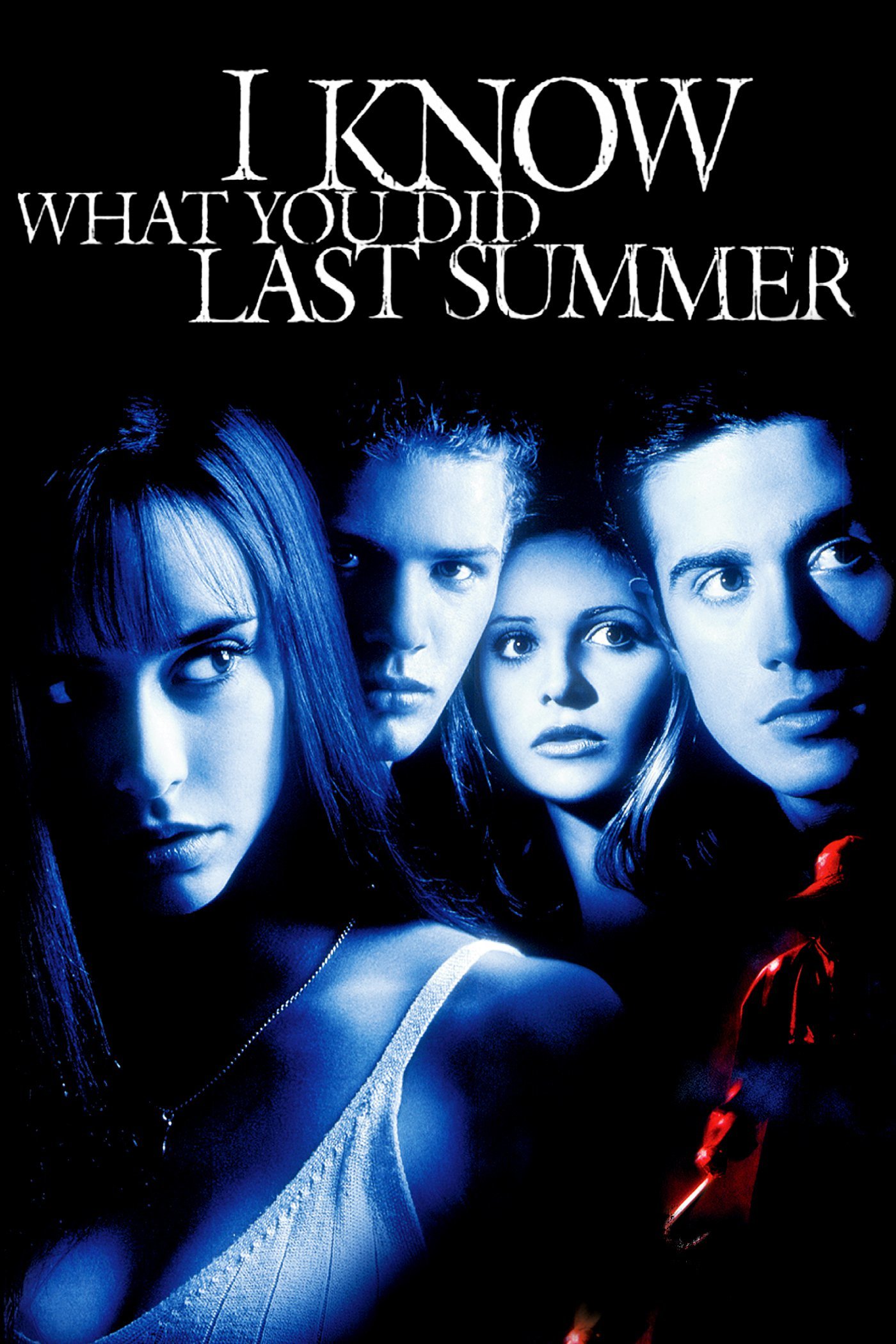
Table of Contents
- Cultural Impact and Legacy of I Know What You Did Last Summer (1997): A Defining Moment in Teen Horror and Coming-of-Age Storytelling The release of I Know What You Did Last Summer in 1997 marked a pivotal moment in the evolution of horror cinema, blending the adrenaline-fueled slasher tropes of the 1980s with the introspective, emotionally charged narratives of coming-of-age storytelling. Directed by Jim Gillespie and produced by New Line Cinema, the film capitalized on a cultural shift where young adults—both as audiences and protagonists—became the focal point of horror’s storytelling. Its success was not merely a product of its scares but of its ability to mirror the anxieties of Generation X and the cusp of the millennial era: guilt, secrecy, and the fear of being exposed. The film’s fusion of psychological tension with visceral horror created a template for future teen-centric thrillers, proving that horror could be both terrifying and deeply personal. Its legacy extends beyond box office numbers, influencing marketing strategies, soundtrack curation, and even the way horror films engage with real-world conspiracy theories and fan speculation.
- The Shift Toward Teen-Centric Horror: I Know What You Did Last Summer as a Genre Pivot The late 1990s saw horror cinema undergo a transformation, moving away from the over-the-top gore and camp of the 1980s toward more grounded, character-driven narratives. I Know What You Did Last Summer arrived at the perfect cultural intersection, following the success of Scream (1996), which revitalized the slasher genre by adding meta-commentary and self-awareness. While Scream leaned into horror’s theatricality, I Know What You Did Last Summer emphasized psychological realism, focusing on the emotional turmoil of its protagonists—Julie (Jennifer Love Hewitt), Helen (Sarah Michelle Gellar), Barry (Freddie Prinze Jr.), and Ray (Ryan Phillippe)—as they grappled with the consequences of a fatal accident and the looming threat of a vengeful killer. This shift reflected broader societal changes. The late '90s were defined by the rise of the internet, which fostered both connection and paranoia. Teens and young adults were increasingly isolated behind screens, yet hyper-aware of the consequences of their actions. The film’s premise—a group of friends haunted by a past mistake—resonated with audiences who feared judgment in an era where secrets could be exposed with a single click. Unlike traditional slashers, where victims were often faceless, I Know What You Did Last Summer made its characters relatable, flawed, and deeply human, setting a new standard for teen horror.
- 1997: A Cultural Timeline Contextualizing the Film’s Release To understand why I Know What You Did Last Summer struck such a chord, it’s essential to examine the cultural landscape of 1997, a year that saw rapid changes in music, fashion, technology, and media consumption. The film’s release coincided with a period of transition, where analog and digital worlds collided, and youth culture was defined by both nostalgia and forward-thinking innovation. Music: The year was dominated by the rise of pop-punk, nu-metal, and alternative rock, with bands like Nirvana, Radiohead, and The Smashing Pumpkins shaping the soundtrack of teen angst. The film’s use of songs like "Barracuda" by Heart and "Linger" by The Cranberries tapped into this emotional undercurrent, reinforcing themes of guilt and longing. Meanwhile, the grunge era was winding down, making way for the Britney Spears-led pop explosion, which I Know What You Did Last Summer subtly anticipated with its teen-centric narrative. Fashion: The "heroin chic" aesthetic—think pale skin, dark eyeliner, and baggy clothing—was at its peak, embodied by models like Kate Moss. The film’s characters, with their preppy yet slightly disheveled looks, reflected this blend of innocence and rebellion. The iconic "wet suit" scene, where the killer’s silhouette is revealed in a dark, rain-soaked forest, also mirrored the moody, atmospheric visuals of '90s fashion photography. Technology: The internet was becoming mainstream, with dial-up connections and early social media platforms like Six Degrees and GeoCities emerging. The fear of being "found out" in the film mirrored real-life anxieties about digital footprints and the permanence of online actions. Meanwhile, the rise of VHS tapes and bootleg culture meant audiences could easily share horror films, amplifying word-of-mouth buzz. Media and Cinema: 1997 was a banner year for blockbusters, including Titanic , Men in Black , and The Fifth Element , but horror remained a dominant force. Scream had redefined the slasher genre just a year prior, and The Lost Boys: The Tri-State Massacre (a direct-to-video sequel) capitalized on vampire lore. I Know What You Did Last Summer distinguished itself by grounding its horror in psychological realism rather than supernatural spectacle. The film’s marketing—with its tagline "This summer, they’ll know what you did last summer" —played directly into these cultural anxieties, framing horror as a personal, inescapable experience rather than a distant, fictional threat.
- Global Reception: U.S. vs. International Horror Preferences and Censorship While I Know What You Did Last Summer became a cultural phenomenon in the U.S., its reception abroad varied significantly, shaped by regional horror preferences, censorship laws, and audience sensibilities. In the United States, the film was embraced as a fresh take on the slasher genre, benefiting from New Line Cinema’s aggressive marketing campaign. Its blend of teen drama and horror appealed to a broad audience, and its box office success ($103.7 million worldwide on a $14 million budget) cemented its status as a summer blockbuster. The film’s success also coincided with the rise of the "teen horror" subgenre, paving the way for future hits like The Faculty (1998) and Urban Legend (1998). Internationally, however, the film faced mixed reactions: Europe: Countries like the UK and Germany embraced the film for its psychological tension, though some markets censored its more graphic scenes (e.g., the shark attack) to comply with local ratings boards. In France, where horror was often met with skepticism, the film underperformed due to its reliance on suspense over gore. Asia: In Japan, the film was released with an R-18 rating, which limited its audience. However, its cult following grew through bootleg VHS tapes and word-of-mouth. South Korea, where horror was less mainstream, initially rejected the film for its Western-centric narrative but later developed a niche fanbase. Latin America: The film found success in Brazil and Mexico, where teen horror was gaining traction. Its marketing—focusing on the mystery of the killer rather than explicit violence—resonated with audiences who preferred suspense over gore. Australia and New Zealand: The film was released with an R18+ rating, which restricted its theatrical run but didn’t dampen its cult appeal. Its success in these markets was tied to the growing popularity of American horror, which was seen as a counterbalance to local horror traditions like the "Australian horror" genre. Censorship played a crucial role in shaping the film’s international legacy. For instance, the original U.S. version featured more graphic imagery (e.g., the shark’s teeth sinking into flesh), which was often edited out for foreign releases. This selective censorship created different versions of the film, each tailored to local tastes, and contributed to its mystique.
- The Soundtrack’s Role in Amplifying Nostalgic Appeal and Musical Trends of 1997 The soundtrack of I Know What You Did Last Summer was a masterclass in leveraging contemporary music to enhance the film’s emotional and atmospheric impact. Curated by New Line Cinema, the soundtrack featured a mix of established hits and lesser-known tracks that defined the late '90s musical landscape. Its success was not just in complementing the film’s tone but in creating a cultural time capsule that continues to resonate with audiences today. Key tracks and their significance: "Barracuda" by Heart: The opening credits of the film feature this 1977 classic, which was re-released in 1997 and became an unexpected hit. The song’s aggressive, bluesy tone set the stage for the film’s vengeful killer, while its nostalgic resonance tied the story to a broader cultural memory. The re-release peaked at No. 11 on the Billboard Hot 100, introducing the song to a new generation. "Linger" by The Cranberries: This haunting ballad, released in 1993 but still popular in 1997, became synonymous with the film’s themes of guilt and longing. Its inclusion in the soundtrack reinforced the emotional stakes of the characters’ past mistakes. The song’s music video, featuring a young couple in a Themes and Symbolism in I Know What You Did Last Summer : A Deep Dive I Know What You Did Last Summer transcends its status as a slasher film by embedding its narrative with layered themes of guilt, consequence, and moral decay, all while leveraging symbolic motifs to amplify its psychological impact. The film’s coastal setting, relentless pursuit by an unseen killer, and the protagonists’ collective burden of a fatal accident create a microcosm of existential dread. Through its visual language—water, masks, and blood—the film transforms generic horror tropes into a meditation on adolescence, secrecy, and the inescapable weight of one’s actions. The shark, as both a literal and metaphorical antagonist, embodies the characters’ repressed trauma, while the film’s pacing and structural choices redefine suspense for a generation hungry for horror that felt personal rather than exploitative. Guilt, Consequences, and Moral Decay Through Character Actions
- Water as a Symbol of Danger and Purification
- Coastal Towns and Summer Vacations as Classic Horror Tropes with Realistic Layers
- The Shark as Metaphor for Repressed Trauma and Societal Judgment
- Friendship and Betrayal in Teen Horror: A Comparative Analysis
- Behind-the-Scenes: Production Secrets and Challenges of I Know What You Did Last Summer (1997)
- Technical Challenges of Underwater Filming and the Shark’s Design
- Most Expensive and Logistically Complex Shots
- Anecdotes from Cast and Crew: Memorable and Chaotic Moments on Set
- Original Script Changes and Scrapped Scenes
Cultural Impact and Legacy of I Know What You Did Last Summer (1997): A Defining Moment in Teen Horror and Coming-of-Age Storytelling The release of I Know What You Did Last Summer in 1997 marked a pivotal moment in the evolution of horror cinema, blending the adrenaline-fueled slasher tropes of the 1980s with the introspective, emotionally charged narratives of coming-of-age storytelling. Directed by Jim Gillespie and produced by New Line Cinema, the film capitalized on a cultural shift where young adults—both as audiences and protagonists—became the focal point of horror’s storytelling. Its success was not merely a product of its scares but of its ability to mirror the anxieties of Generation X and the cusp of the millennial era: guilt, secrecy, and the fear of being exposed. The film’s fusion of psychological tension with visceral horror created a template for future teen-centric thrillers, proving that horror could be both terrifying and deeply personal. Its legacy extends beyond box office numbers, influencing marketing strategies, soundtrack curation, and even the way horror films engage with real-world conspiracy theories and fan speculation.
The Shift Toward Teen-Centric Horror: I Know What You Did Last Summer as a Genre Pivot The late 1990s saw horror cinema undergo a transformation, moving away from the over-the-top gore and camp of the 1980s toward more grounded, character-driven narratives. I Know What You Did Last Summer arrived at the perfect cultural intersection, following the success of Scream (1996), which revitalized the slasher genre by adding meta-commentary and self-awareness. While Scream leaned into horror’s theatricality, I Know What You Did Last Summer emphasized psychological realism, focusing on the emotional turmoil of its protagonists—Julie (Jennifer Love Hewitt), Helen (Sarah Michelle Gellar), Barry (Freddie Prinze Jr.), and Ray (Ryan Phillippe)—as they grappled with the consequences of a fatal accident and the looming threat of a vengeful killer. This shift reflected broader societal changes. The late '90s were defined by the rise of the internet, which fostered both connection and paranoia. Teens and young adults were increasingly isolated behind screens, yet hyper-aware of the consequences of their actions. The film’s premise—a group of friends haunted by a past mistake—resonated with audiences who feared judgment in an era where secrets could be exposed with a single click. Unlike traditional slashers, where victims were often faceless, I Know What You Did Last Summer made its characters relatable, flawed, and deeply human, setting a new standard for teen horror.
1997: A Cultural Timeline Contextualizing the Film’s Release To understand why I Know What You Did Last Summer struck such a chord, it’s essential to examine the cultural landscape of 1997, a year that saw rapid changes in music, fashion, technology, and media consumption. The film’s release coincided with a period of transition, where analog and digital worlds collided, and youth culture was defined by both nostalgia and forward-thinking innovation.

Global Reception: U.S. vs. International Horror Preferences and Censorship While I Know What You Did Last Summer became a cultural phenomenon in the U.S., its reception abroad varied significantly, shaped by regional horror preferences, censorship laws, and audience sensibilities. In the United States, the film was embraced as a fresh take on the slasher genre, benefiting from New Line Cinema’s aggressive marketing campaign. Its blend of teen drama and horror appealed to a broad audience, and its box office success ($103.7 million worldwide on a $14 million budget) cemented its status as a summer blockbuster. The film’s success also coincided with the rise of the "teen horror" subgenre, paving the way for future hits like The Faculty (1998) and Urban Legend (1998). Internationally, however, the film faced mixed reactions:
The Soundtrack’s Role in Amplifying Nostalgic Appeal and Musical Trends of 1997 The soundtrack of I Know What You Did Last Summer was a masterclass in leveraging contemporary music to enhance the film’s emotional and atmospheric impact. Curated by New Line Cinema, the soundtrack featured a mix of established hits and lesser-known tracks that defined the late '90s musical landscape. Its success was not just in complementing the film’s tone but in creating a cultural time capsule that continues to resonate with audiences today. Key tracks and their significance:
Themes and Symbolism in I Know What You Did Last Summer: A Deep Dive
I Know What You Did Last Summer transcends its status as a slasher film by embedding its narrative with layered themes of guilt, consequence, and moral decay, all while leveraging symbolic motifs to amplify its psychological impact. The film’s coastal setting, relentless pursuit by an unseen killer, and the protagonists’ collective burden of a fatal accident create a microcosm of existential dread. Through its visual language—water, masks, and blood—the film transforms generic horror tropes into a meditation on adolescence, secrecy, and the inescapable weight of one’s actions. The shark, as both a literal and metaphorical antagonist, embodies the characters’ repressed trauma, while the film’s pacing and structural choices redefine suspense for a generation hungry for horror that felt personal rather than exploitative.Guilt, Consequences, and Moral Decay Through Character Actions
The film’s central premise revolves around four teenagers—Julie James, Helen Shivers, Barry Cox, and Ray Bronson—who accidentally kill a man while driving drunk during a summer vacation. Their subsequent guilt manifests in distinct ways, shaping their arcs and interactions. Julie, the most remorseful, becomes paralyzed by fear and isolation, while Helen’s defiance masks her internal turmoil. Barry’s guilt is externalized through reckless behavior, and Ray, the most detached, embodies denial until confronted by the shark’s relentless pursuit. The killer’s vendetta—rooted in the victims’ collective failure to take responsibility—serves as an externalization of their internalized shame, forcing them to confront the consequences of their actions. The film’s exploration of moral decay is evident in how each character’s coping mechanism either exacerbates or mitigates their guilt. For instance, Barry’s decision to keep the license plate from the car they used in the accident symbolizes his attempt to bury the truth, only for it to resurface as a literal and metaphorical anchor dragging him under. The shark’s appearance each time a character lies or evades accountability reinforces the theme that guilt cannot be outrun. This moral framework aligns with the film’s 1997 release, a year when Generation X and early millennials grappled with the ethical ambiguities of their formative years, from the fallout of the Clinton-Lewinsky scandal to the rise of internet culture’s anonymity and its potential for both liberation and destruction.Water as a Symbol of Danger and Purification
Water in I Know What You Did Last Summer is a dual-edged symbol, representing both the threat of drowning in guilt and the possibility of cleansing through confession. The film’s coastal setting—specifically the beaches, boats, and lakes of the fictional town of Wrightsville Beach—mirrors biblical and psychological narratives of baptism and rebirth. The shark, an aquatic predator, embodies the inescapable nature of their sins, while water itself becomes a liminal space where characters confront their demons. For example, the opening scene of Julie and her boyfriend driving through a stormy beach at night establishes water as a force of chaos, foreshadowing the film’s central tragedy. Psychologically, water reflects the characters’ subconscious. The shark’s attacks often occur in or near water, suggesting that their guilt is an ever-present, submerged threat. The film’s climax, where Julie and Helen are forced to confront the shark in the ocean, mirrors the idea of facing one’s sins head-on. This duality is reinforced by the film’s soundtrack, which uses hauntingly beautiful acoustic guitar covers (e.g., "Summer" by Limp Bizkit) to contrast the serene beauty of the coast with the underlying dread. The use of water as a purifying element is further emphasized in the film’s ambiguous ending, where Julie’s emotional breakdown on the beach—tears mixing with the ocean—hints at catharsis through vulnerability. Religiously, water symbolizes both judgment and salvation. The shark, as an agent of divine retribution, evokes the idea of a wrathful deity punishing the characters for their transgressions. Conversely, the ocean’s vastness also represents forgiveness, as seen in Julie’s eventual acceptance of her guilt. This tension between punishment and redemption aligns with the film’s 1990s cultural context, where themes of moral accountability were prominently debated in media, from the O.J. Simpson trial to the rise of teen confessional storytelling in films like Heathers (1988) and Clueless (1995).Coastal Towns and Summer Vacations as Classic Horror Tropes with Realistic Layers
The film’s setting—a seemingly idyllic coastal town during summer vacation—draws heavily from classic horror tropes, particularly the "final girl" narrative and the idea of an isolated, insular community hiding dark secrets. However, I Know What You Did Last Summer distinguishes itself by grounding these tropes in a realistic portrayal of teenage life. The summer vacation setting, for instance, reflects the universal rite of passage for adolescents, where freedom from adult supervision often leads to reckless behavior and unintended consequences. The coastal town, with its narrow streets and close-knit community, amplifies the sense of inescapability, mirroring the claustrophobic dread of small-town horror films like Halloween (1978) or The Texas Chain Saw Massacre (1974). The film’s use of the beach as a dual space—both a playground and a graveyard—adds a layer of realism by acknowledging the duality of adolescence. The characters’ initial joy in their summer freedom contrasts sharply with their later paranoia, as the town’s beauty becomes a cage. This juxtaposition is heightened by the film’s practical effects, which make the shark attacks feel visceral and unpredictable, a stark contrast to the often campy creature designs of earlier horror films. Additionally, the film’s portrayal of the town’s adults as complicit in the characters’ downfall—through their indifference or active involvement—adds a gritty realism. For example, the sheriff’s dismissive attitude toward the characters’ fears underscores the powerlessness of teenagers in the face of adult authority, a theme resonant with 1990s teen audiences navigating the transition from childhood to adulthood.The Shark as Metaphor for Repressed Trauma and Societal Judgment
The shark in I Know What You Did Last Summer functions as more than a physical threat; it serves as a manifestation of the characters’ repressed guilt and the societal judgment they fear. Unlike traditional horror villains such as Jason Voorhees or Michael Myers, who are often faceless or supernatural, the shark’s presence is both tangible and symbolic. Its attacks are triggered by the characters’ lies or evasions, suggesting that their trauma is an active, hunting force that cannot be ignored. This metaphorical role aligns with psychological theories of repressed memory and the idea that unresolved guilt can "surface" in destructive ways, much like the shark emerging from the depths. Comparatively, the shark’s function resembles that of supernatural entities in horror, such as the ghosts in The Grudge (2004) or the vengeful spirits in The Ring (2002), which punish characters for their sins. However, the shark’s naturalistic origins make its vengeance feel more grounded, reflecting the real-world consequences of the characters’ actions. The film’s 1997 release coincided with a cultural obsession with conspiracy theories and the fear of being "found out," from the rise of the internet’s anonymity to the media frenzy surrounding high-profile crimes. The shark, therefore, embodies the collective anxiety of a generation grappling with the idea that their secrets—no matter how well-hidden—would eventually catch up to them. The shark’s design further reinforces its symbolic role. Unlike the exaggerated, cartoonish villains of 1980s horror, the shark in I Know What You Did Last Summer is a realistic predator, its attacks brutal and unpredictable. This realism heightens the film’s tension, as the characters’ fear is not just of a monster but of their own complicity in the crime. The shark’s presence also reflects the film’s feminist undertones, as it preys on the characters’ collective guilt, suggesting that societal judgment is often a collaborative force rather than an individual one.Friendship and Betrayal in Teen Horror: A Comparative Analysis
I Know What You Did Last Summer explores the fragility of friendship and the destructive potential of betrayal, themes that were central to teen horror films of the late 1990s. Unlike Scream (1996), which frames betrayal as an external threat (the killer’s manipulation of the characters’ trust), or Urban Legend (1998), which portrays it as a consequence of individual recklessness, the film presents betrayal as a collective failure. The characters’ initial bond is shattered by their shared secret, and their subsequent actions—lying to each other, hiding evidence, and even turning on one another—highlight how guilt can erode trust. The film’s portrayal of friendship is particularly nuanced. Julie and Helen’s relationship, for instance, is tested by Helen’s initial refusal to take the situation seriously, while Barry and Ray’sBehind-the-Scenes: Production Secrets and Challenges of I Know What You Did Last Summer (1997)
The production of I Know What You Did Last Summer was a high-stakes endeavor that pushed the boundaries of technical innovation, creative improvisation, and budget-conscious filmmaking. Shot in the humid, mosquito-infested swamps of Louisiana and the coastal towns of North Carolina, the film’s production faced logistical hurdles that tested the resilience of its cast and crew. From the groundbreaking underwater filming techniques that brought the shark to life to the last-minute script revisions that sharpened the film’s psychological edge, every challenge became an opportunity to craft a horror experience unlike anything seen before. The film’s blend of practical effects, atmospheric sound design, and a tight-knit crew dynamic resulted in a production that was as tumultuous as it was transformative, leaving an indelible mark on the genre.Technical Challenges of Underwater Filming and the Shark’s Design
Filming underwater presented one of the most significant technical challenges for I Know What You Did Last Summer. The crew had to balance the need for realism with the constraints of working in unpredictable environments, such as the murky waters of Louisiana’s bayous and the Atlantic coast of North Carolina. The shark, a central figure in the film’s mystery, required a design that was both terrifying and believable. Director Jim Gillespie and his team turned to practical effects to achieve this, avoiding CGI—a still-emerging technology in 1997—to maintain the film’s gritty, tactile aesthetic. The shark was brought to life through a combination of animatronics and a full-scale mechanical puppet, operated by stunt performers who had to endure hours in cramped, waterlogged suits. The animatronic shark, measuring approximately 20 feet long, was designed by KNB EFX Group, known for their work on Jaws and other creature features. Its mouth was rigged to open and close with hydraulic pressure, while its movements were controlled via a system of wires and pulleys. To enhance the shark’s menacing presence, the crew incorporated submersible lighting techniques, using underwater spotlights to create dramatic shadows and highlight the creature’s distorted silhouette as it lurked in the depths. One of the most innovative solutions was the use of mirrored lenses and specialized underwater cameras, which allowed the crew to shoot scenes from both above and below the water simultaneously. This technique, combined with forced perspective, made the shark appear larger and more imposing. However, the unpredictable nature of water filming led to delays—equipment malfunctions, sudden storms, and the ever-present threat of losing cast members to strong currents. Despite these challenges, the underwater sequences became some of the film’s most iconic moments, setting a new standard for practical effects in horror.Most Expensive and Logistically Complex Shots
Several sequences in I Know What You Did Last Summer stood out for their complexity and cost, often pushing the crew to their limits. Below are some of the most demanding shots and the solutions devised to overcome them:- The Opening Boat Crash The film’s prologue, featuring the capsized boat and the drowning of Helen Shivers (Sarah Michelle Gellar), required meticulous planning. The crew constructed a full-scale replica of the boat and used controlled explosions to simulate the sinking. However, the shot was complicated by the need to film the scene in a single take to maintain realism. Stunt coordinators had to ensure the actors were safely secured while still conveying the chaos of the accident. The shot was later enhanced with miniature effects for the boat’s final descent into the water.
- The Shark Attack on the Jet Ski The scene where the shark attacks Julie James (Jennifer Love Hewitt) on her jet ski was shot in the open waters of North Carolina, where the crew faced unpredictable tides and strong currents. To achieve the shark’s sudden emergence, the animatronic was launched from a hidden submarine-like platform. The crew had to account for wave interference, which often blurred the shot. Multiple takes were required, and the actors had to perform their scenes while battling seasickness and exhaustion.
- The Underwater Graveyard Scene The climactic underwater sequence, where the characters explore the sunken graveyard and confront the shark, was filmed in two separate locations due to weather constraints. The first attempt in Louisiana was abandoned when a sudden storm forced the crew to relocate to North Carolina. The crew had to rebuild the graveyard set from scratch, this time using waterproof concrete structures to anchor the ruins. The scene required divers to manually position the animatronic shark between takes, adding to the complexity.
- The School Bus Chase The sequence where the characters flee from the sheriff (Fred Ward) in a school bus was shot on real highways, requiring multiple permits and police escorts. The crew had to coordinate with local authorities to ensure safety, as the bus had to weave through traffic at high speeds. The shot was further complicated by the need to integrate the animatronic shark into the background, which was achieved through optical compositing in post-production.
- The Final Shark Attack on the Pier The film’s conclusion, featuring the shark’s attack on the pier, was one of the most physically demanding shots. The crew built a full-scale pier set in the water, complete with hydraulic lifts to simulate the shark’s emergence. The shot required synchronized timing between the animatronic’s movements and the actors’ performances. The crew also used smoke machines to obscure the shark’s mechanical joints, enhancing the illusion of a real predator.
Anecdotes from Cast and Crew: Memorable and Chaotic Moments on Set
The production of I Know What You Did Last Summer was marked by spontaneous creativity, physical endurance tests, and unforgettable moments that often spilled into legend. Fred Ward, who played the enigmatic Sheriff Brackett, was known for his improvisational skills. According to crew members, Ward would often ad-lib lines that were later incorporated into the final script, adding a layer of unpredictability to his character. One memorable moment involved Ward playing pranks on the cast, such as hiding their clothes or rearranging their trailers, which kept the atmosphere light despite the film’s dark tone. Jennifer Love Hewitt, who played Julie James, underwent intensive training to prepare for her role, including scuba diving lessons and stunt coordination. She later recounted that filming the underwater scenes was physically grueling, as she had to perform while wearing a heavy wetsuit and breathing through a snorkel. The crew also had to ensure her safety during the jet ski attack, where she was tethered to a harness while the animatronic shark was launched toward her. The film’s young cast, including Ryan Phillippe (who played Barry William), often found themselves in high-stress situations. Phillippe later revealed that the tension on set was palpable, with the crew pushing them to deliver raw, emotional performances. One of the most chaotic moments involved a miscommunication during a stunt rehearsal, where a prop gun accidentally discharged, startling the cast and nearly derailing a crucial scene. Behind the scenes, the crew faced their own challenges. Cinematographer Donald Peterman had to adapt to the low-light conditions of the swamp and coastal locations, using high-speed film stock to capture clear images in murky water. Meanwhile, the special effects team worked around the clock to repair and adjust the animatronic shark, which suffered mechanical failures during filming.Original Script Changes and Scrapped Scenes
The script for I Know What You Did Last Summer underwent significant revisions before and during production, with several scenes and alternate endings being scrapped or rewritten. The film’s original draft, written by Kevin Williamson, was a slasher-style thriller with a more straightforward mystery. However, New Line Cinema and director Jim Gillespie sought to elevate the film’s emotional depth, transforming it into a psychological horror with stronger character arcs. One of the most notable changes involved the character of Helen Shivers (Sarah Michelle Gellar). In early drafts, Helen was intended to be a more active participant in the cover-up, but her role was toned down to make her a more sympathetic victim. The decision to kill her off early in the film was controversial but ultimately strengthened the survivors’ guilt, a central theme of the story. Several scenes were cut due to budget constraints or pacing issues, including:-
The Alternate Opening
An early version of the film began with a prologue set in 1988, showing the characters as children and their first encounter with the shark. This sequence was scrapped to tighten the narrative focus on the present-day mystery.
I Know What You Did Last Summer remains a testament to how a single film can transcend its era, influencing everything from sequels to modern horror’s reliance on psychological torment and waterborne dread. Its production secrets, from the shark’s eerie appearances to the cast’s improvisational chaos, reveal a movie born from both creative ingenuity and financial constraints. Decades later, the film’s themes of guilt and consequence still ripple through storytelling, proving that some fears—like the one lurking beneath the surface—never truly fade. The summer of 1997 wasn’t just a backdrop; it was a character, and its legacy continues to swim in the shadows of horror history.
Leave a Comment
Comments are moderated before appearing. The data you submit is processed according to the Privacy Policy of Propertyrate.