What Does Turning Tricks Mean Decoded Across Cultures Sports Tech Life
From skateboard half-pipes to viral TikTok hacks, the phrase "turning tricks" transcends languages and disciplines, embedding itself in slang, sports, technology, and daily life. What began as a colloquial term for performing clever maneuvers has evolved into a global phenomenon—celebrated in underground dance floors, corporate coding rooms, and household DIY projects. Its adaptability mirrors humanity’s relentless pursuit of innovation, whether bending physics in a gymnastics routine or outsmarting a software glitch.
The phrase carries layers of meaning, each tied to a unique context: a skateboarder defying gravity, a hacker exploiting vulnerabilities, or a parent mastering a kitchen shortcut to save time. Historically rooted in 19th-century slang for performing deceptive acts, its modern iterations reflect how societies reinterpret "tricks" as tools for creativity, efficiency, or even rebellion. Whether in the streets of Tokyo or the boardrooms of Silicon Valley, the concept persists as a testament to human ingenuity—blurring the lines between skill, artistry, and necessity.
Understanding the Basics of "Turning Tricks"

The phrase "turning tricks" carries layers of meaning that transcend its literal interpretation, embedding itself in slang, cultural narratives, and historical contexts. At its core, the term refers to performing tasks or actions—often skillful or deceptive—with a connotation of manipulation, performance, or even transactional exchange. While it frequently carries negative associations in modern usage, its evolution reflects broader shifts in language, morality, and societal attitudes toward labor, sex work, and artistic expression.
The origins of "turning tricks" trace back to the late 19th and early 20th centuries, emerging from American and British slang where "tricks" denoted acts of sexual intercourse, particularly within the context of prostitution. The phrase encapsulated the idea of a sex worker "turning" (or performing) a "trick"—a transactional encounter with a client. Over time, the term expanded beyond its literal sexual connotation to include broader interpretations of deception, skillful maneuvering, or even creative performance.

Literal and Early Slang Definitions
The term "turning tricks" first appeared in written form in the late 1800s, primarily within underworld slang and criminal subcultures. In these early contexts, it was exclusively tied to prostitution, where "tricks" referred to clients and "turning" implied the act of servicing them. By the 1920s, the phrase had permeated mainstream American English, particularly in urban centers like New York and Chicago, where it was used in literature, music, and oral storytelling.
One of the earliest recorded uses of "turning tricks" in print appears in Nelson Algren’s The Man with the Golden Arm (1949), a novel set in post-war Chicago. While the exact phrase isn’t central to the narrative, Algren’s portrayal of the city’s underbelly—including its sex workers and criminal underworld—reflects the term’s prevalence in slang at the time. Similarly, jazz and blues lyrics from the same era occasionally referenced "tricks" in songs like "Trick Bag" by Louis Jordan (1947), though the term was often coded or implied rather than stated outright.
Table of Contents
- Understanding the Basics of "Turning Tricks"
- Literal and Early Slang Definitions
- Historical Evolution and Cultural Shifts
- Global Adaptations and Linguistic Variations
- Key Moments in the Phrase’s Recognition
- Broader Interpretations Beyond Prostitution
- Turning Tricks in Physical Activities and Sports: Mastery Through Movement and Innovation
- Technical Definitions and Execution in Skateboarding, BMX, and Gymnastics
- Comparison of Common Tricks Across Skateboarding, BMX, and Gymnastics
- Turning Tricks in Dance and Performance Arts: Precision, Innovation, and Expression
- Terminology and Tricks in Breakdancing, Contemporary, and Hip-Hop
- Structured Breakdown of a Dance Routine Incorporating Tricks
- Physical Training for Mastering Dance Tricks
- Cultural Significance of Tricks in Dance vs. Circus and Martial Arts
- Turning Tricks in Technology and Digital Contexts
- Programming Shortcuts and Optimization Tricks
- Hacking Techniques and Software Exploits
- Real-World Case Studies of Digital Tricks Leading to Breakthroughs
- Platforms and Communities for Sharing Digital Tricks
- Turning Tricks in Everyday Life and Problem-Solving
- Practical Applications of Turning Tricks in Daily Tasks
- Step-by-Step Guide: The "Two-Minute Rule" for Clutter-Free Spaces
- Psychological Drivers Behind the Enjoyment of Learning and Sharing Tricks
- Household Tricks Categorized by Room
- The Role of Social Media in Amplifying Viral Life Tricks
- Turning Tricks in Pop Culture and Media
- Iconic Movie and TV Scenes Featuring "Turning Tricks"
- Musical Lyrics and Genres Where "Turning Tricks" Resonates
- Positive, Negative, and Neutral Portrayals in Media
- Memes, Viral Trends, and Internet Culture Redefining "Turning Tricks"
In British slang, the phrase took a slightly different form, with "turning a trick" becoming more common. By the mid-20th century, it appeared in British crime fiction, such as Geoffrey Household’s The Deadfall (1949), where it was used to describe illicit transactions. The term also crossed into Australian and New Zealand slang, where "doing a trick" or "turning a trick" retained its association with prostitution but occasionally extended to other forms of deception or quick, profitable schemes.
Historical Evolution and Cultural Shifts
The trajectory of "turning tricks" mirrors broader changes in how society viewed sex work, labor, and performance. Initially confined to criminal or marginalized contexts, the phrase gradually seeped into mainstream language, often through film, television, and music. By the 1950s and 1960s, Hollywood films like The Killing of a Chinese Bookie (1976) and Taxi Driver (1976) used the term to underscore themes of alienation and exploitation, reinforcing its link to urban decay and moral ambiguity.
A pivotal moment in the phrase’s cultural recognition occurred in the 1970s and 1980s, when punk and new wave music adopted it as a metaphor for rebellion and transgression. Bands like The Clash and Sex Pistols used "tricks" in lyrics to evoke themes of deception and societal manipulation, detaching the term slightly from its original context. For example, The Clash’s London Calling (1979) includes references to "tricks of the trade" in a broader critique of capitalism and political hypocrisy.
The 1990s marked another shift, as "turning tricks" began appearing in hip-hop and rap lyrics, often as a nod to street culture or a critique of economic desperation. Artists like Tupac Shakur and The Notorious B.I.G. referenced the term in songs like "Changes" (1998) and "Mo Money Mo Problems" (1997), respectively, where it symbolized the struggles of marginalized communities. Meanwhile, television and film of the era—such as The Wire (2002–2008)—used the phrase to explore systemic issues in prostitution and drug trade narratives.
Global Adaptations and Linguistic Variations
Beyond English-speaking regions, "turning tricks" has been adapted or reimagined in other languages and cultures, often retaining its core meaning while incorporating local nuances. In Spanish, the equivalent phrase "hacer trampa" (to cheat) or "hacer el trabajo" (to do the work) sometimes carries similar connotations, though "montar un negocio" (to set up a scheme) is more commonly used in contexts of deception. In French, "faire un tour" or "faire un coup" can imply both a sexual transaction and a clever maneuver, depending on context.
In Japanese slang, the term "jigoku" (地獄), meaning "hell" or "underworld," is sometimes used metaphorically in discussions of prostitution or exploitation, though a direct equivalent to "turning tricks" doesn’t exist. However, Korean slang includes "ppali" (빨리), which refers to sex workers and is occasionally used in phrases akin to "doing a trick." In German, "Tricks drehen" is rare, but "sich prostituieren" (to prostitute oneself) or "Geschäfte machen" (to do business) might convey similar ideas, particularly in criminal contexts.
One notable example of cross-cultural adaptation is in Brazilian Portuguese, where "dar um jeito" (to figure something out) or "fazer um serviço" (to do a favor) can sometimes imply transactional or deceptive acts, though the phrase lacks the explicit sexual connotation of "turning tricks." Meanwhile, in Russian, "kruchit’" (to swindle) or "zanimatsya prostituutsiey" (to engage in prostitution) serves as the closest linguistic parallel, often appearing in literature and media discussions of organized crime.
Key Moments in the Phrase’s Recognition
The widespread recognition of "turning tricks" can be mapped through a series of cultural and media milestones. Below is a timeline highlighting pivotal moments in its evolution:
| Year | Event/Medium | Context |
|---|---|---|
| Late 1800s | American/British Underworld Slang | Emergence in prostitution-related slang, particularly in urban centers like New York and London. |
| 1920s–1930s | Literature (e.g., The Man with the Golden Arm) | First recorded uses in print, often in crime fiction or narratives about marginalized communities. |
| 1940s–1950s | Film Noir and Jazz Music | References in films like The Killing of a Chinese Bookie and songs by Louis Jordan, linking the term to urban decay. |
| 1970s | Punk and New Wave Music | Adoption by bands like The Clash and Sex Pistols as a metaphor for societal critique and rebellion. |
| 1980s–1990s | Hip-Hop and Television | Use in rap lyrics (e.g., Tupac, Biggie) and TV shows like The Wire, expanding its association with systemic issues. |
| 2000s–Present | Digital Media and Social Commentary | Appearance in memes, internet slang, and discussions about gig economy labor and exploitation. |
The table above illustrates how "turning tricks" transitioned from a niche underworld term to a widely recognized phrase in global pop culture. Its adaptability has allowed it to survive linguistic and cultural shifts, though its meaning continues to evolve—sometimes losing its original sexual connotation entirely in favor of broader interpretations of deception or performance.
Broader Interpretations Beyond Prostitution
While "turning tricks" remains rooted in its historical context, modern usage has expanded to include met
Turning Tricks in Physical Activities and Sports: Mastery Through Movement and Innovation
"Turning tricks" in physical sports transcends mere execution—it embodies a fusion of athleticism, precision, and artistic expression. Whether on wheels, mats, or air, tricks redefine the boundaries of skill, transforming routine motions into breathtaking feats. From the concrete jungle of skateparks to the high-flying arenas of gymnastics, athletes leverage physics and creativity to invent maneuvers that push human capability. These tricks are not just technical skills but cultural milestones, often named after pioneers or inspired by urban landscapes, reflecting the evolution of each sport.
The language of tricks is universal yet distinct across disciplines. In skateboarding, a trick is a deliberate sequence of movements—flips, spins, or grinds—performed on a skateboard to achieve a specific outcome, often judged by style, control, and height. In BMX, riders manipulate their bikes through aerial acrobatics, combining body mechanics with bike manipulation to execute loops, tailwhips, and no-handed stalls. Gymnastics, meanwhile, defines tricks as somersaults, twists, and dismounts executed with gravity-defying grace, often requiring split-second timing and explosive power. Each sport’s lexicon of tricks evolves as athletes experiment with form, speed, and innovation, turning physical laws into performance art.
Technical Definitions and Execution in Skateboarding, BMX, and Gymnastics
Skateboarding Tricks: The Art of Board Control Skateboarding tricks are categorized by their axis of rotation (e.g., spins, flips) and the surface interaction (e.g., grinds, slides). A ollie, the foundational trick, involves snapping the tail of the board down while jumping, leveling the board mid-air with the front foot, and landing smoothly. Advanced tricks like the kickflip add a 360-degree spin around the board’s horizontal axis, executed by flicking the front foot outward while ollieing. Grinds, such as the 50-50 or boardslide, involve sliding the trucks (axles) along a rail or ledge, requiring precise weight distribution and edge control.
Athletes describe tricks using a mix of technical terms and slang. For example, a heelflip is a kickflip performed with the heel instead of the toe, altering the board’s spin direction. The tre flip, a hybrid of a tre (frontside 180) and a flip, demands fluidity between rotation and board manipulation. Skateboarders often break tricks down into setup, execution, and landing, emphasizing the importance of body positioning. A nose stall, where the skateboarder balances on the front wheels, hinges on leaning back while keeping the nose elevated—a trick that tests balance and core strength.
BMX Tricks: Bicycle Acrobatics BMX tricks prioritize aerial maneuvers and bike manipulation. A backflip involves launching off a ramp, rotating backward, and catching the bike mid-air before landing. The tailwhip, a staple in BMX street riding, requires the rider to whip the bike’s handlebars backward while jumping, creating a 180-degree spin of the bike relative to the rider. No-handed stalls, where the rider balances the bike without touching it, showcase control and timing, often performed on ledges or rails.
BMX riders often combine tricks into combos, such as a backflip → tailwhip → frontflip, where each maneuver builds on the previous momentum. The barspin, a trick involving a 360-degree spin of the bike around the rider’s body, demands precise foot placement and upper-body strength. Descriptions of BMX tricks focus on entry speed, rotation axis, and exit technique. For instance, a whip-it (spinning the handlebars 360 degrees while jumping) requires a sharp flick of the bars while maintaining balance.
Gymnastics Tricks: Defying Gravity with Precision In gymnastics, tricks are structured around rotation, amplitude, and execution. A back handspring involves a backward somersault with a handstand in between, launching off one foot and landing on the other. The double layout, a dismount from the vault, requires a full twist mid-air before tucking into a straight-body landing. Gymnasts describe tricks using degree of rotation (e.g., 180°, 360°) and body position (e.g., tucked, piked, straight).
The Yurchenko vault, named after its inventor, combines a round-off, back handspring, and back tuck, culminating in a high-flying dismount. Tricks like the Amanar (a double backflip with a twist) demand split-second timing and explosive power. Gymnasts emphasize block height (the initial jump), flight phase (airtime control), and landing accuracy. For example, a Thomas flip on the uneven bars involves a forward flip with a half-twist, executed by pushing off the bar with precise leg and arm coordination.
Comparison of Common Tricks Across Skateboarding, BMX, and Gymnastics
Tricks vary in difficulty based on technical complexity, risk, and physical demand. Below is a comparative table highlighting foundational and advanced tricks in each sport, along with their origins and difficulty levels (rated on a scale of 1–10, with 10 being the most challenging).
| Trick Name | Sport | Description | Key Mechanics | Difficulty (1-10) | Origin Story | ||||||||||||||||||||||||||||||||||||||||||||||||||||||||||||
|---|---|---|---|---|---|---|---|---|---|---|---|---|---|---|---|---|---|---|---|---|---|---|---|---|---|---|---|---|---|---|---|---|---|---|---|---|---|---|---|---|---|---|---|---|---|---|---|---|---|---|---|---|---|---|---|---|---|---|---|---|---|---|---|---|---|
| Ollie | Skateboarding | A jump where the skateboard lifts into the air without the rider using their hands. | Tail snap, front-foot leveling, pop-through. | 3 | Invented by Alan "Ollie" Gelfand in 1977, revolutionizing skateboarding. | ||||||||||||||||||||||||||||||||||||||||||||||||||||||||||||
| Backflip | BMX | A somersault backward while holding the bike, landing back on the seat. | Launch angle, tuck, bike catch. | 7 | Popularized in the 1980s by BMX riders seeking aerial tricks. | ||||||||||||||||||||||||||||||||||||||||||||||||||||||||||||
| Back Handspring | Gymnastics | A backward somersault with a handstand in the middle, landing on two feet. | Round-off entry, hand plant, hip drive. | 6 | Developed in early 20th-century gymnastics as a foundational tumbling skill. | ||||||||||||||||||||||||||||||||||||||||||||||||||||||||||||
| Kickflip | Skateboarding | A flip trick where the skateboard spins 360 degrees along its horizontal axis. | Ollie setup, toe flick, board catch. | 5 | Invented by Rodney Mullen in the 1980s, becoming a skateboarding staple. | ||||||||||||||||||||||||||||||||||||||||||||||||||||||||||||
| Tailwhip | BMX | A 180-degree spin of the bike relative to the rider while jumping. | Handlebar flick, body lean, bike control. | 4 | Originated in BMX street riding as a creative way to manipulate the bike. | ||||||||||||||||||||||||||||||||||||||||||||||||||||||||||||
| Yurchenko Vault | Gymnastics | A vault combining a round-off, back handspring, and back tuck. | Run-up, block height, twist execution. | 9 | Named after Soviet gymnast Natalia Yurchenko, who popularized it in the 1980s. | ||||||||||||||||||||||||||||||||||||||||||||||||||||||||||||
| Tre Flip | Skateboarding | A frontside 180-degree spin with a kickflip. | Ollie, toe flick, body rotation. | 8 | Developed in the 1990s by skateboarders experimenting with flip variations. | ||||||||||||||||||||||||||||||||||||||||||||||||||||||||||||
| Aspect | Dance (Breakdancing/Hip-Hop/Contemporary) | Circus (Acrobatics, Aerial Arts) | Martial Arts (Capoeira, Parkour, Taekwondo) |
|---|---|---|---|
| Primary Purpose | Emotional expression, storytelling, cultural identity. | Spectacle, physical prowess, audience awe. | Self-defense, discipline, spiritual growth. |
| Trick Role | Enhances narrative; tricks are characters in the performance. | Demonstrates skill; tricks are centerpieces of acts. | Builds technique; tricks are tools for mastery. |
| Audience Engagement | Connects through relatability (e.g., hip-hop’s urban roots). | Thrills through danger and precision. | Inspires through resilience and tradition. |
| Training Focus | Flexibility, musicality, improvisation. | Strength, spatial awareness, equipment mastery (e.g., silks). | Stamina, precision, mental focus. |
| Cultural Origins | Born from marginalized communities (e.g., breakdancing in NYC). | Rooted in European carnival traditions. | Diverse: Capoeira (Brazil), Taekwondo (Korea), Parkour (France). |
| Trick Examples | Windmill, freeze, contraction/release. | Death drop, Chinese pole, straight-jacket. | Aerial cartwheel, rolling splits, one-inch punch. |
| Technical Barriers | Blending tricks with breath control and floor connection. | Managing fear of heights or equipment failure. | Balancing power with fluidity (e.g., Taekwondo’s yop chagi). |
Key Insight: While circus tricks prioritize visual spectacle and martial arts emphasize functional utility, dance tricks thrive on duality—they must be both technically flawless and emotionally resonant. For instance, a backspin in breakdancing might celebrate resilience, whereas in capoeira, a au (kick) serves as both an attack and a rhythmic flourish. This duality reflects dance’s unique position as an art form where athleticism and artistry are indistinguishable.
Turning Tricks in Technology and Digital Contexts
The digital landscape thrives on innovation, where "turning tricks" translates into clever strategies, shortcuts, and optimizations that push boundaries in programming, cybersecurity, and software development. In technology, these "tricks" often serve as efficient solutions to complex problems, enabling developers to enhance performance, automate tasks, or exploit vulnerabilities—whether for ethical improvement or unintended consequences. From algorithmic optimizations that power modern applications to cybersecurity exploits that reveal systemic flaws, the concept of "turning tricks" in tech embodies both ingenuity and responsibility.
Programming Shortcuts and Optimization Tricks
Developers frequently employ "tricks" to streamline code, improve execution speed, or reduce resource consumption. These techniques often involve leveraging language-specific features, mathematical optimizations, or creative problem-solving. For example, memoization—caching the results of expensive function calls—can drastically reduce redundant computations in recursive algorithms. Below are pseudocode examples illustrating common optimization tricks:
Memoization Example (Python-like Pseudocode): ```python from functools import lru_cache @lru_cache(maxsize=None) def fibonacci(n): if n
< 2: return n return fibonacci(n-1) + fibonacci(n-2) ```This caches results to avoid recalculating Fibonacci numbers, improving performance from exponential to linear time.
Another trick involves bitwise operations, which replace arithmetic operations for faster calculations in low-level programming. For instance, multiplying by 2 is equivalent to a left bit shift (`n
<< 1`), while checking odd/even status uses `n & 1`.Bitwise Trick Example (C-like Pseudocode): ```c int isEven(int n) { return !(n & 1); // Faster than n % 2 == 0 } ``` Bitwise operations are hardware-optimized, making them ideal for performance-critical code.
Hacking Techniques and Software Exploits
In cybersecurity, "turning tricks" often refers to exploiting vulnerabilities in software or systems, either for defensive testing (ethical hacking) or malicious purposes. Ethical hackers use these techniques to identify weaknesses, while malicious actors exploit them for unauthorized access or data theft. Below is a comparison of ethical versus unethical applications:
| Ethical Applications | Unethical Applications |
|---|---|
|
|
The line between ethical and unethical hacking is defined by consent and intent. Ethical hackers operate within legal boundaries, often under contracts like those governed by the Computer Fraud and Abuse Act (CFAA) or General Data Protection Regulation (GDPR). |
|
A notable example of ethical exploitation is SQL injection testing, where security professionals input malicious queries to expose database vulnerabilities. Conversely, the 2017 Equifax breach exploited a known vulnerability in Apache Struts, demonstrating the dangers of unpatched software.
Real-World Case Studies of Digital Tricks Leading to Breakthroughs
History shows that "turning tricks" in technology has led to groundbreaking innovations. One such example is the Google PageRank algorithm, which revolutionized search engines by using a mathematical trick: treating web pages as nodes in a graph and ranking them based on link popularity. This optimization trick enabled Google to outperform competitors by prioritizing relevant results efficiently. Another case is Netflix’s recommendation algorithm, which initially used a trick involving collaborative filtering—predicting user preferences by comparing them with similar users’ behavior. Over time, this evolved into a hybrid model combining collaborative and content-based filtering, reducing latency and improving accuracy. In cybersecurity, the Heartbleed bug (2014) exposed a critical flaw in OpenSSL’s implementation of the TLS heartbeat extension. Ethical hackers like Neel Mehta discovered it first, prompting a global patching effort that highlighted the importance of proactive vulnerability testing.
Platforms and Communities for Sharing Digital Tricks
The tech community thrives on knowledge-sharing, with numerous platforms dedicated to exchanging "tricks" for optimization, hacking, or troubleshooting. Below are key forums, channels, and communities where developers and security experts collaborate:
These platforms foster both learning and innovation, though users must adhere to ethical guidelines, especially in security-related discussions.
- Stack Overflow A Q&A platform where developers share code snippets, optimization tips, and debugging tricks. Tags like `[performance]` or `[algorithm]` highlight discussions on efficient coding practices.
- GitHub Hosts open-source projects where developers implement and document "tricks" through contributions. Repositories like Awesome-Cheat-Sheets compile curated lists of shortcuts and best practices.
- Reddit Communities Subreddits such as r/programming, r/netsec, or r/learnprogramming feature threads on optimization techniques, exploit discussions, and ethical hacking challenges.
- YouTube Channels Educators like Fireship or ThePrimeagen create tutorials on advanced programming tricks, while channels like NullByte focus on cybersecurity exploits and defensive strategies.
- Conferences and CTFs (Capture The Flag) Events like DEF CON, Black Hat, or online CTF platforms (e.g., Hack The Box) provide hands-on environments to test and learn hacking tricks ethically.
Turning Tricks in Everyday Life and Problem-Solving
Mastering "turning tricks" extends beyond sports, dance, or technology—it permeates daily routines, transforming mundane tasks into efficient, creative, or even entertaining solutions. Whether optimizing time, simplifying chores, or innovating with household items, these tricks leverage ingenuity to address common challenges. The psychology behind their appeal lies in the human fascination with efficiency, curiosity-driven learning, and the desire for social validation, amplified by digital platforms where viral trends spread instantaneously. The concept of "turning tricks" in everyday contexts reflects a mindset of adaptability and resourcefulness. People often seek shortcuts or unconventional methods to streamline tasks, reduce waste, or achieve better results with minimal effort. This section explores practical applications of turning tricks in daily life, from time management hacks to DIY solutions, while examining the psychological and social drivers behind their popularity.
Practical Applications of Turning Tricks in Daily Tasks
Turning tricks in everyday scenarios often involves repurposing tools, leveraging scientific principles, or adopting unconventional techniques to solve problems. For example, time management tricks might include the Pomodoro Technique, where work is broken into focused intervals (typically 25 minutes) followed by short breaks, proven to enhance productivity. Similarly, cooking hacks—such as using an ice cube tray to portion herbs or a muffin tin to bake perfectly sized fritters—demonstrate how small adjustments can yield significant improvements in consistency and efficiency. DIY projects also thrive on turning tricks, such as transforming old jars into organizers or using rubber bands to create makeshift phone stands. These solutions often rely on upcycling, the practice of reusing discarded materials to reduce waste while adding functionality. The appeal lies in their accessibility—most require minimal tools and budget—and the satisfaction of solving problems without additional expenditure.
Step-by-Step Guide: The "Two-Minute Rule" for Clutter-Free Spaces
A foundational trick for maintaining organization is the Two-Minute Rule, popularized by productivity expert David Allen. This method encourages immediate action if a task takes less than two minutes to complete, preventing small tasks from accumulating into overwhelming clutter. Below is a step-by-step implementation:
- Identify Tasks: Scan your environment (e.g., desk, kitchen counter) for items or actions that can be resolved in under two minutes. Examples include washing a single dish, filing a document, or tossing trash.
- Prioritize: Focus on visible clutter or tasks that disrupt workflow. For instance, a pile of mail can be sorted into "act," "file," or "discard" categories in minutes.
- Execute Immediately: Use a timer if needed to ensure tasks stay within the two-minute limit. Pair this with a habit tracker to monitor progress.
- Maintain Consistency: Repeat the process daily, especially after high-traffic activities (e.g., cooking, working). This trick leverages behavioral momentum, where small, frequent actions build discipline over time.
Materials/Tools Needed: Timer (phone app or physical), trash bin, filing system (folder or tray), and a checklist for tracking completed tasks.
Psychological Drivers Behind the Enjoyment of Learning and Sharing Tricks
The popularity of life hacks stems from several psychological factors. Curiosity plays a central role—humans are wired to explore and seek novel solutions to problems, a trait linked to cognitive flexibility and innovation. Studies in behavioral psychology, such as those by Teresa Amabile, suggest that intrinsic motivation (the drive to learn for personal satisfaction) fuels engagement with tricks, especially when they offer tangible benefits like time savings or cost reduction. Social validation further amplifies this behavior. Sharing tricks on platforms like TikTok or Instagram taps into the desire for approval and connection, as users seek recognition for their creativity. The mirror neuron system in the brain also contributes—observing others perform tricks activates the same neural pathways as personal execution, reinforcing learning through vicarious experiences. Additionally, the dopamine release associated with mastering a new skill or receiving likes/comments creates a feedback loop that encourages continued participation in trick-sharing communities.
Household Tricks Categorized by Room
Below is a table of practical tricks organized by room, highlighting their functions and the principles they exploit (e.g., physics, chemistry, or ergonomics). These examples are widely shared in DIY communities and lifestyle blogs, often with visual demonstrations.
| Room | Trick | Description | Principle/Tool Used |
|---|---|---|---|
| Kitchen | Ice Cube Tray Herb Storage | Fill ice cube trays with chopped herbs, cover with water or oil, and freeze. Thaw as needed for fresh, portioned herbs. | Freezing preserves freshness; tray compartments enable precise measurements. |
| Kitchen | Pasta Water for Rinsing Rice | Use starchy pasta water to rinse rice before cooking, reducing breakage and improving texture. | Starch acts as a binder, mimicking the effect of commercial rice rinsing aids. |
| Bathroom | Toothbrush Cleaning Hack | Soak toothbrushes in hydrogen peroxide (3%) for 10 minutes to disinfect between uses. | Hydrogen peroxide kills bacteria and mold; oxidation breaks down organic residue. |
| Bathroom | Showerhead Descaling | Vinegar in a plastic bag over the showerhead, secured with a rubber band, dissolves mineral buildup overnight. | Acetic acid in vinegar reacts with calcium deposits, restoring water flow. |
| Bedroom | Sock Organizer from Old Tights | Cut the feet off old tights and use them to bundle and hang socks, preventing tangles. | Elastic material retains shape; segmentation prevents mixing of different sock types. |
| Bedroom | Mattress Freshener with Baking Soda | Sprinkle baking soda on the mattress, let sit for 15 minutes, then vacuum to neutralize odors. | Baking soda absorbs volatile organic compounds; abrasive texture aids in odor removal. |
The Role of Social Media in Amplifying Viral Life Tricks
Social media platforms have democratized the sharing of life tricks, turning niche solutions into global phenomena. Algorithmic amplification plays a key role—TikTok’s "For You Page," for instance, prioritizes short, engaging videos that demonstrate quick fixes, often with trending sounds or challenges. A 2022 study by Pew Research Center found that 62% of U.S. adults use social media to discover life hacks, with platforms like Instagram and YouTube hosting tutorials that accumulate millions of views. Influencers and micro-creators drive this trend by packaging tricks into highly digestible formats. For example, the "5-Second Rule" for cleaning crumbs (using a damp paper towel to wipe surfaces quickly) gained traction after being demonstrated by home organization influencers. The halo effect—where viewers associate the influencer’s credibility with the trick’s effectiveness—further boosts adoption. Additionally, user-generated content fosters community engagement; platforms like Pinterest allow users to save and adapt tricks, creating a feedback loop of refinement. The gamification of learning also contributes to virality. Challenges like the "30-Day Defy" (organizing one item per day) or "No-Spend Challenge" encourage participation through progress tracking and peer comparison. Brands and marketers exploit this trend by sponsoring hack-related content, blurring the line between genuine solutions and commercial promotion. However, skepticism persists—misinformation risks arise when untested tricks (e.g., "cleaning hacks" involving toxic combinations) gain traction without verification.
"The rise of life hacks on social media reflects a cultural shift toward valuing efficiency and creativity in everyday life. However, it’s essential to verify practicality and safety before adopting viral solutions." — Harvard Business Review, 2023
Turning Tricks in Pop Culture and Media
Pop culture and media have long embraced the phrase "turning tricks" as both a literal and metaphorical representation of skill, deception, or creative brilliance. From iconic film scenes to viral internet trends, the concept transcends its original meaning—prostitution—to symbolize ingenuity, performance artistry, and even digital manipulation. In movies and TV, characters "turn tricks" to outsmart opponents, while musicians use the phrase to describe lyrical dexterity or double entendres. Meanwhile, the internet has repurposed the term into memes and viral challenges, reflecting how society recontextualizes language for humor and social commentary. This section explores how pop culture redefines "turning tricks," dissecting its portrayal in cinema, music, and digital spaces while examining its evolving cultural significance.
Iconic Movie and TV Scenes Featuring "Turning Tricks"
Cinema and television frequently employ "turning tricks" as a narrative device to highlight cunning, adaptability, or even moral ambiguity. In The Matrix (1999), Neo’s ability to "bend the rules" of the digital world mirrors the idea of performing impossible maneuvers—both literal (dodging bullets) and metaphorical (outsmarting the system). Similarly, Ocean’s Eleven (2001) frames heists as elaborate "tricks" where characters exploit loopholes with precision, blending skill with deception. TV shows leverage the phrase to critique societal norms. In Breaking Bad (2008–2013), Walter White’s descent into criminality involves "turning tricks" in the black market, where his chemical expertise becomes a tool for manipulation. Conversely, The Office (2005–2013) uses the term humorously—Michael Scott’s failed attempts to impress colleagues with "tricks" (like his disastrous Dundies speech) underscore the gap between intention and execution. Video games adopt the concept to describe hacking or exploiting systems. In Deus Ex (2000), players "turn tricks" on AI security by manipulating data, while Grand Theft Auto series glorifies street-smart "tricks" like car flips or heists. These portrayals often romanticize deception, though some—like Disco Elysium (2019)—explore the ethical weight of such maneuvers.
Musical Lyrics and Genres Where "Turning Tricks" Resonates
The phrase "turning tricks" appears most frequently in hip-hop, where it signifies lyrical agility, double meanings, or street-smart survival tactics. Eminem’s "The Real Slim Shady" (2000) includes the line "I’m like a magician, I turn tricks with my pen," framing rap as a performance of verbal sleight-of-hand. Similarly, Jay-Z’s "99 Problems" (2003) references "turning tricks" in the context of outmaneuvering adversaries, blending criminal slang with artistic prowess. Rock and punk music occasionally use the term to critique societal gamesmanship. The Clash’s "London Calling" (1979) critiques systemic manipulation with lines like "The bank is trying to foreclose my home,"—a metaphorical "trick" played by institutions. In electronic music, artists like Aphex Twin employ the phrase to describe algorithmic deception, as seen in tracks where glitches "turn tricks" on listeners’ expectations. Country music occasionally adopts the phrase to describe rural ingenuity, such as in George Jones’ "He Stopped Loving Her Today" (1980), where survival tactics resemble "turning tricks" to endure hardship. The versatility of the term across genres reflects its adaptability to themes of power, creativity, and resilience.
— Eminem, "The Real Slim Shady" (2000)
"I’m like a magician, I turn tricks with my pen, I’m like a surgeon, I cut deep with my words again."
Context: Eminem’s lyrics redefine "turning tricks" as a metaphor for lyrical mastery, where words become tools for both entertainment and critique. The comparison to a surgeon underscores precision, while "magician" implies illusion—highlighting how language can manipulate perception.
Positive, Negative, and Neutral Portrayals in Media
Media representations of "turning tricks" vary widely in tone, influencing public perception. Positive portrayals often associate the phrase with innovation, as in Mr. Robot (2015–2019), where hackers "turn tricks" on corporate systems to expose corruption. These narratives frame deception as a tool for justice. Negative portrayals dominate in crime dramas like The Wire (2002–2008), where "turning tricks" equates to exploitation—whether in prostitution or systemic corruption. The phrase carries moral weight when tied to victimization, as seen in Mad Men (2007–2015), where female characters’ agency is undermined by societal "tricks." Neutral portrayals appear in comedies like Parks and Recreation (2009–2015), where characters use the term ironically to describe bureaucratic loopholes (e.g., Ron Swanson’s "tricks" to avoid paperwork). These depictions depoliticize the phrase, reducing it to situational humor. The duality of these portrayals—from heroic to villainous—shapes how audiences interpret "turning tricks." Positive examples inspire admiration for cleverness, while negative ones reinforce skepticism about manipulation.Memes, Viral Trends, and Internet Culture Redefining "Turning Tricks"
The internet has repurposed "turning tricks" into memes and challenges, often stripping it of its original connotations to emphasize absurdity or skill. One early example is the "Trick Shot" trend on YouTube (2010s), where users filmed impossible basketball or skateboard maneuvers, labeling them as "tricks." The phrase evolved into a shorthand for viral stunts, such as the "Mannequin Challenge" (2016), where participants performed synchronized "tricks" in public spaces. Reddit and Twitter amplify the term’s versatility. The subreddit r/turntricks (now defunct) curated user-submitted "tricks"—from pranks to life hacks—while Twitter hashtags like #TurnTricksChallenge encouraged creative problem-solving. Memes like "Distracted Boyfriend" (2016) play on the idea of "turning tricks" on expectations, using visual deception for comedic effect. In gaming culture, "turning tricks" describes exploiting glitches, as seen in Fortnite’s "Trick Shot" emote or Among Us’s viral "tricks" to deceive crewmates. These digital adaptations reflect how the phrase adapts to new platforms, often losing its literal meaning to become a catch-all for cleverness or chaos.- Origins of Viral "Trick" Trends:
- Mannequin Challenge (2016): Started as a TikTok-like trend where users filmed themselves performing choreographed "tricks" in unison, often in public or at events. The phrase "turn tricks" was repurposed to describe the synchronization of movements.
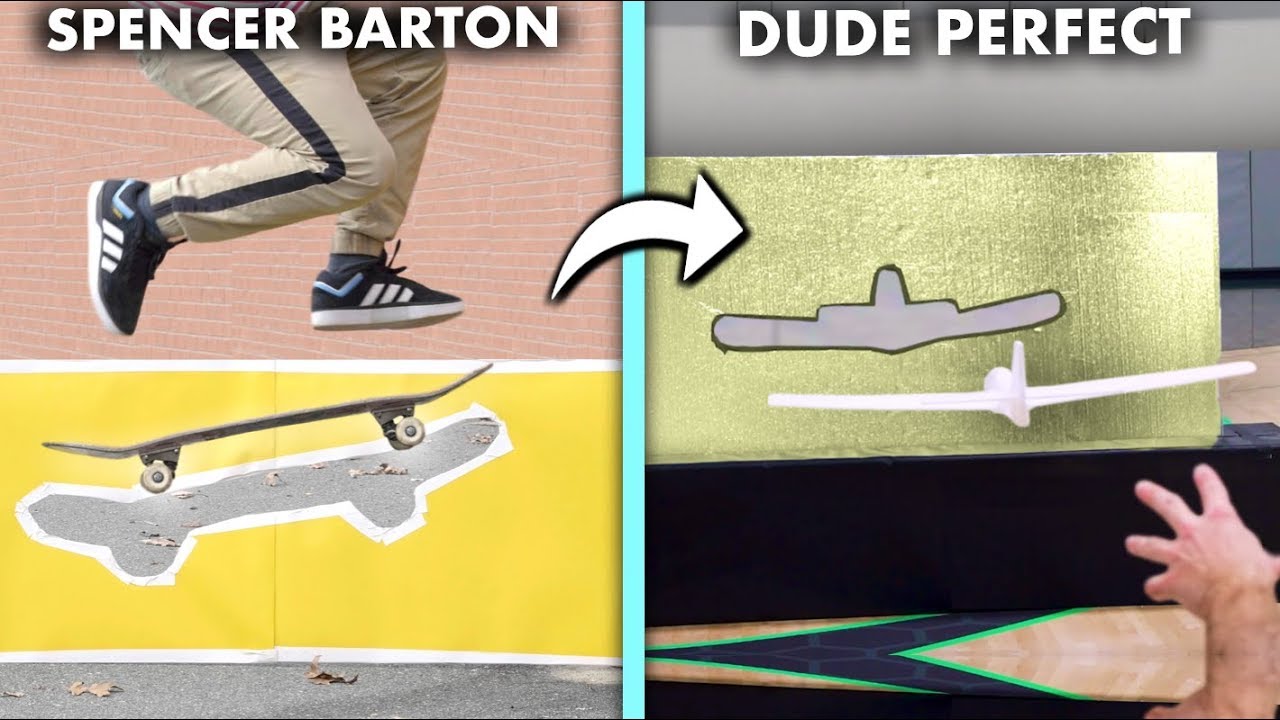
- Dude Perfect’s Trick Shots (2013–Present): The YouTube group popularized high-skill "tricks" in sports like basketball and football, inspiring countless imitators to film their own versions.
- #TurnTricksChallenge (2018): A Twitter/Instagram challenge where users shared videos of themselves performing "tricks" to solve everyday problems (e.g., opening a stubborn jar with unconventional tools).
- Gaming Glitches (e.g., Minecraft "Tricks," 2010s): Players discovered and shared "tricks" to exploit game mechanics, such as infinite resource generation or invisible walls, often labeled as "cheats" or "hacks."
- Memes and Visual Culture:
- Distracted Boyfriend Meme (2016): While not directly about "turning tricks," the meme’s structure—where a character "switches" focus—mirrors the idea of performing a verbal or visual "trick" on the audience’s expectations.
- "This Is Fine" Dog Meme (2015): The image of a dog sitting in a burning room, unphased, became a metaphor for "turning tricks" on reality, often used to describe people downplaying crises.
- Skibidi Toilet (2021): This absurdist internet phenomenon features characters "turning tricks" in surreal, nonsensical
"Turning tricks" is more than a phrase—it’s a cultural language that speaks to the universal human drive to solve problems, push boundaries, and leave an impression. Whether executed on a dance floor, a circuit board, or a kitchen counter, tricks reveal how adaptability and creativity shape progress. As technology and social media continue to democratize knowledge, the art of "turning tricks" will only grow richer, proving that innovation thrives wherever curiosity meets action. The next trick is always waiting to be discovered.
Leave a Comment
Comments are moderated before appearing. The data you submit is processed according to the Privacy Policy of Propertyrate.