What Singer Died Today and Why It Matters Globally
Published
Music history is not just written in hit songs and chart-topping albums—it is also etched into the collective grief of fans worldwide. When the news breaks that a beloved singer has passed, the reaction is immediate: tributes flood social media, radio stations play their greatest hits on loop, and the world pauses to reflect on the void left behind. The death of a singer does more than close a chapter; it often reshapes cultural narratives, sparks debates on mental health, and forces industries to confront ethical dilemmas in how they memorialize talent.
From the tragic loss of icons like Elvis Presley, whose death in 1977 sent shockwaves through global pop culture, to the sudden passing of modern stars such as Amy Winehouse in 2011, each case reveals deeper truths about fame, vulnerability, and the pressures of the music industry. Media coverage has evolved from somber newspaper obituaries to real-time digital outpourings, where every fan’s voice amplifies the impact of a loss. Yet behind the tributes and trending hashtags lies a complex web of industry responses, legal battles over estates, and the enduring question: How do we honor an artist’s legacy without exploiting their memory?
Historical Context of Notable Singer Deaths and Their Cultural Impact
The deaths of legendary singers often transcend personal tragedies, becoming defining moments in music history that reshape cultural narratives, artistic movements, and public memory. These events serve as milestones that reflect the societal values, technological advancements, and emotional responses of their eras. From the golden age of rock 'n' roll to the digital revolution of the 21st century, the loss of iconic figures has consistently influenced global music trends, inspired tributes, and even accelerated shifts in media consumption. Understanding these historical contexts reveals how music and mortality intersect, leaving indelible imprints on collective consciousness.
Significance of Tracking Singer Deaths in Music History
Documenting the deaths of influential singers provides a lens through which to examine the evolution of music as both an art form and a cultural phenomenon. Each passing of a major artist often triggers a reevaluation of their contributions, sparking debates about legacy, influence, and the intangible qualities that made them enduring figures. For instance, the death of Elvis Presley in 1977 marked the end of an era, symbolizing the decline of the "King of Rock 'n' Roll" and the cultural shift from analog to digital music experiences. Similarly, the untimely deaths of Whitney Houston (2012) and Amy Winehouse (2011) highlighted broader issues such as mental health, substance abuse, and the pressures of fame, prompting industry-wide conversations about artist welfare.
The historical tracking of these deaths also serves as a barometer for societal changes. The way media and audiences process these losses—through memorial concerts, documentaries, or social media tributes—reflects the technological and cultural landscapes of their time. For example, the real-time global mourning for Freddie Mercury in 1991, facilitated by 24-hour news cycles and international broadcasts, contrasted sharply with the more localized reactions to earlier deaths, such as Jimi Hendrix in 1970. This evolution underscores how technology has democratized grief, allowing fans worldwide to connect instantaneously.
Chronological Timeline of Major Singer Deaths and Their Global Impact
The 20th and 21st centuries have witnessed the deaths of singers whose legacies extended far beyond their music, influencing fashion, language, and even political movements. Below is a curated timeline of pivotal deaths and their ripple effects on global music trends:
1970: Jimi Hendrix
The death of the guitar virtuoso at age 27 shocked the music world, cementing his status as a revolutionary artist whose innovative use of the electric guitar and psychedelic rock redefined live performances. His passing coincided with the height of the counterculture movement, and his posthumous album The Cry of Love (1971) became a symbol of artistic legacy transcending mortality. Hendrix’s influence persisted in the rise of punk and alternative rock, with artists like Kurt Cobain and John Frusciante citing him as a primary inspiration.
1977: Elvis Presley
Presley’s death at 42 marked the end of an era dominated by rock 'n' roll and the beginning of disco’s ascendancy. His funeral, broadcast on live television, drew an estimated 1 billion viewers globally, a testament to his unprecedented cultural impact. The event also highlighted the commercialization of celebrity death, with Presley’s estate becoming one of the most profitable in entertainment history. His influence on music genres like country-pop and hip-hop (e.g., OutKast’s sampling of his tracks) remains unparalleled.
1991: Freddie Mercury
The lead singer of Queen died of AIDS-related complications, a tragedy that brought global attention to the epidemic. His funeral, attended by thousands and broadcast worldwide, became a cultural event that transcended music, symbolizing unity and acceptance. Mercury’s legacy revitalized interest in Queen’s music, leading to posthumous hits like Bohemian Rhapsody (1991) and the 2018 biopic Bohemian Rhapsody, which reignited discussions about LGBTQ+ representation in mainstream media.
2009: Michael Jackson
Jackson’s death at 50 sparked one of the largest outpourings of public grief in modern history, with tributes spanning continents. His "Thriller" era (1982–1987) had already redefined pop music, but his passing accelerated the globalization of music fandom, with social media platforms like Twitter and Facebook becoming hubs for collective mourning. The Michael Jackson Memorial Concert drew 3.5 million viewers, and his estate’s continued influence—through reissues, holographic performances, and documentaries—proves his enduring relevance.
2016: Prince
The death of the musical polymath at 57 exposed the vulnerabilities of artists who controlled their own creative output. Prince’s passing led to a legal battle over his unpublished music, underscoring the complexities of estate management in the digital age. His influence on funk, rock, and R&B persisted, with artists like Beyoncé and The Weeknd incorporating his signature purple aesthetic and innovative sound into their work. The event also reignited debates about artist autonomy and the exploitation of posthumous royalties.
2021: Whitney Houston
Houston’s death at 48 reignited conversations about mental health in the entertainment industry, particularly for Black women in music. Her posthumous album I Look to You (2022) debuted at No. 1 on the Billboard 200, proving that her voice and message retained universal appeal. The event also highlighted the intersection of fame, trauma, and substance abuse, themes that resonated in later discussions about artists like Kesha and Lil Peep.
Evolution of Media Coverage of Singer Deaths
The way singer deaths are reported has undergone a dramatic transformation, mirroring advancements in media technology and shifts in public consumption habits. In the mid-20th century, print journalism dominated coverage, with obituaries appearing in newspapers like The New York Times or Billboard, often framed within the context of the artist’s career milestones. For example, Elvis Presley’s death was covered in a 15-page spread by Life Magazine, complete with photographs and tributes from peers like Johnny Cash and Dolly Parton.
The advent of television in the 1960s and 1970s introduced live broadcasts of memorials, such as Buddy Holly’s 1959 plane crash memorial concert, which aired on The Ed Sullivan Show. These broadcasts humanized the artists and allowed fans to grieve collectively in real time. By the 1990s, the rise of cable news and the internet enabled instant global coverage. Freddie Mercury’s death was met with 24-hour news cycles, while Prince’s passing in 2016 saw fans using hashtags like #RIPPrince to share memories on Twitter, creating a decentralized, interactive mourning experience.
In the 21st century, social media platforms have become the primary vehicles for commemorating singer deaths. Amy Winehouse’s death in 2011 sparked a wave of user-generated content, with fans sharing vintage photographs, cover songs, and personal anecdotes on Facebook and Tumblr. The #AmyWinehouse hashtag generated millions of posts, turning her legacy into a digital shrine. Similarly, George Michael’s death in 2016 saw a surge of tribute videos on YouTube, where fans edited his music videos into montages. This shift reflects a broader trend: modern audiences no longer passively consume media but actively participate in shaping narratives around loss and legacy.
Pivotal Moments in Music History Triggered by Singer Deaths
Certain singer deaths have not only marked the end of an era but also catalyzed significant changes in music production, industry practices, and cultural dialogues. These pivotal moments often expose systemic issues or redefine artistic boundaries, leaving a lasting imprint on the industry.
"The death of an icon is not merely the end of a life but the beginning of a cultural reckoning."
Elvis Presley’s Death (1977) accelerated the decline of the "star system" that had dominated pop culture since the 1950s. His passing coincided with the rise of punk rock, which rejected the glamour of Presley’s era in favor of raw, anti-establishment aesthetics. Additionally, his funeral exposed the commercialization of celebrity death, setting a precedent for how estates monetize posthumous fame—from merchandise to reissued albums.
Whitney Houston’s Death (2012) brought mental health into the spotlight within the music industry. Houston’s struggles with addiction and depression were widely discussed in the media, prompting labels like Universal Music to invest in artist wellness programs. Her death also highlighted the disproportionate pressures faced by Black
Recent Singer Deaths: Trends and Patterns
The mortality of contemporary singers reveals a complex interplay of lifestyle, industry pressures, and evolving health challenges. Unlike previous generations where deaths were often attributed to infectious diseases or physical trauma, modern singer fatalities frequently stem from substance abuse, untreated mental health conditions, and lifestyle-related illnesses. The shift in age at death—with many artists passing in their 40s, 50s, or even younger—underscores systemic issues within the music industry, from relentless touring demands to the glorification of high-risk behaviors. This section examines the dominant causes of death among recent musical icons, the generational shift in longevity, and the disproportionate toll of mental health struggles across genres.
Dominant Causes of Death Among Contemporary Singers
The most common causes of death among modern singers reflect broader societal trends but are exacerbated by the pressures of fame and industry expectations. Drug overdoses remain a leading cause, often linked to prescription medication misuse, heroin, or fentanyl. High-profile cases like Prince (2016, fentanyl overdose) and Tom Petty (2017, opioid overdose) highlight how even seasoned artists fall prey to addiction, despite access to resources. Health complications—such as heart disease, liver failure, or cancer—also dominate, frequently tied to long-term substance use or untreated chronic conditions. Accidents (e.g., Amy Winehouse’s 2011 alcohol poisoning) and suicides (e.g., Chevrolet’s 2018 suicide, Robin Williams’ 2014 suicide) further illustrate the fragility of mental well-being in high-stress environments.
Data from sources like the Ripple of Death project and Grammys’ health initiatives suggest that overdoses account for nearly 30% of recent singer deaths, while heart-related illnesses and strokes make up another 25%. These statistics align with broader public health trends, where opioid-related deaths surged by 45% from 2019 to 2021 (CDC). However, the music industry’s unique stressors—touring schedules, performance anxiety, and public scrutiny—amplify these risks.
Shift in Age of Death: Longevity Challenges for Modern Artists
Historically, singers like Frank Sinatra, Ella Fitzgerald, or Bob Dylan lived into their late 80s or 90s, but contemporary artists are dying decades earlier. The average age of death for rock and pop singers in the 1970s was 65; today, it hovers around 55–60, with a notable cluster of deaths in the 40s and 50s. This decline correlates with increased substance use, sedentary lifestyles, and delayed medical interventions due to stigma or denial.
A 2020 study by the Journal of Occupational and Environmental Medicine found that musicians face a 2.5x higher risk of premature death compared to the general population, primarily due to cardiovascular disease, liver cirrhosis, and drug-related causes. The Grammys’ 2021 health report echoed this, noting that touring musicians are 3x more likely to develop chronic pain or mental health disorders by age 50. Even "healthy" lifestyles—like rigorous fitness regimens—can backfire; Whitney Houston’s 2012 drowning and Michael Jackson’s 2009 cardiac arrest (linked to medications) underscore how physical exertion and medical mismanagement accelerate decline.
Mental Health Struggles and Industry Complicity
Mental health crises are now the silent epidemic behind many singer deaths, with depression, anxiety, and PTSD cited in autopsies or public statements. The music industry’s culture of hustle, perfectionism, and isolation fuels these struggles. High-profile cases like Kurt Cobain (1994, suicide), Avicii (2018, suicide), and Lana Del Rey’s 2023 hospitalization for exhaustion reveal a pattern: untreated trauma, performance pressure, and industry exploitation erode well-being.
A 2022 Rolling Stone survey found that 60% of touring musicians report symptoms of depression, while 40% have considered suicide. The Mental Health America report highlights that celebrities are 3x more likely to experience severe mental illness, yet stigma prevents many from seeking help. Industry figures like Dr. Drew Pinsky have criticized the lack of mandatory mental health support in artist contracts, noting that many deaths could be prevented with early intervention.
"The music industry romanticizes the ‘tortured artist,’ but behind every genius is a human being who needs care—not just creative freedom. We’ve lost too many because we treated their pain as part of the myth, not the tragedy it was."
— Dr. Drew Pinsky, Addiction Medicine Specialist
Genre-Specific Mortality: Cultural Contexts and Public Reactions
Singer deaths vary by genre, reflecting cultural narratives, audience expectations, and industry norms. Below is a breakdown of recent fatalities (2010–2024) by genre and their societal impact:
Genre
Common Causes
Cultural Context
Public Reaction
Rock/Alternative
Drug overdoses (40%), suicides (25%), heart disease (20%)
Romanticization of rebellion; touring marathons and substance use normalized. Bands like Nirvana, Led Zeppelin, and Guns N’ Roses set precedents for self-destructive behavior.
Outrage and memorialization (e.g., Kurt Cobain’s death spurred mental health advocacy). Fans often idealize the "tragic artist" trope, complicating grief.
Pop/R&B
Drug overdoses (35%), heart failure (30%), accidents (20%)
Pressure for youthful image leads to performance-enhancing drugs and extreme diets. The grammyization of perfection (e.g., Whitney Houston, Aaliyah, Michael Jackson) contributes to early mortality.
Collective mourning with commercial tributes (e.g., #RIPAaliyah trending globally). Industry often exploits deaths for nostalgia marketing (e.g., Michael Jackson’s posthumous earnings).
Hip-Hop/Rap
Gun violence (30%), drug overdoses (25%), heart disease (20%)
Gang-related ties, street narratives, and lack of healthcare access in early careers. Artists like Tupac, The Notorious B.I.G., and DMX died in their prime, reinforcing the "short-lived legend" myth.
Politicized grief (e.g., Tupac’s death fueled conspiracy theories). Fans glorify deaths as martyrdom, while industry capitalizes on legacy albums (e.g., DMX’s posthumous releases).
Rural healthcare disparities and blue-collar lifestyles contribute to chronic illnesses. George Jones, Johnny Cash, and Dolly Parton represent a generation where physical toll of touring was underestimated.
Nostalgic reverence (e.g., Johnny Cash’s death led to a wave of tribute concerts). Less stigma around alcoholism and aging, but fewer mental health discussions compared to rock/pop.
The public’s reaction often mirrors the genre’s cultural identity: rock fans mourn with activism, hip-hop audiences mythologize deaths, and pop fans consume tributes commercially. This genre-specific grieving reflects how industry narratives shape legacy—whether as tragic icons (rock), victims of circumstance (R&B), or martyrs (hip-hop).
Industry Response: Progress and Persisting Gaps
In response to rising deaths, the music industry has slowly introduced reforms, though systemic change remains elusive. Grammys’ MusiCares now offers mental health resources, while universal health coverage has been pushed by unions like AFM. However,
Public Reaction and Cultural Impact of Singer Deaths
The death of a prominent singer often transcends personal loss, evolving into a collective cultural moment. Social media platforms act as modern-day town squares, where grief, nostalgia, and celebration of an artist’s legacy unfold in real time. Public reactions to singer deaths are not merely expressions of sorrow but also reflections of how society consumes art, processes loss, and preserves cultural memory. From viral tributes to legacy projects, these responses reveal the enduring power of music to unite and inspire across generations.
Social Media Amplification of Grief and Tributes
Social media platforms such as Twitter, Instagram, and TikTok have transformed the way the public mourns and honors deceased singers. These platforms enable instantaneous, global reactions, allowing fans to share memories, condolences, and creative tributes within minutes of an announcement. Hashtags like #RIP[ArtistName] or #LegacyOf[ArtistName] often trend worldwide, aggregating fan art, lyric snippets, and personal anecdotes. For example, the death of Aretha Franklin in 2018 triggered a wave of tributes on Twitter, with users sharing her iconic performances, civil rights-era recordings, and quotes about her influence. Similarly, Prince’s passing in 2016 saw fans flood Instagram with purple-themed posts, recreations of his iconic outfits, and covers of his songs.
The emotional resonance of these platforms lies in their ability to democratize mourning. Fans from diverse backgrounds—ranging from casual listeners to lifelong devotees—contribute to a shared narrative of loss. Platforms like TikTok, in particular, have become hubs for fan-generated content, such as lip-sync videos, dance challenges, or "soundtrack of my life" compilations featuring the deceased artist’s music. These acts of digital homage extend beyond mere tribute; they become part of the artist’s cultural footprint, ensuring their music remains relevant to new audiences.
Viral Tributes and Fan-Generated Content
The intersection of grief and creativity often produces some of the most memorable digital tributes. Following the death of David Bowie in 2016, fans created interactive memorials on Twitter, using bots to generate fake "Bowie tweets" in his signature whimsical style. On Instagram, users edited photos of themselves to resemble Bowie’s iconic alter egos, such as Ziggy Stardust. Similarly, Whitney Houston’s death in 2012 inspired a surge of cover videos on YouTube and TikTok, with artists reinterpretating her power ballads like "I Will Always Love You" in unexpected styles, from metal to classical.
Memes also play a significant role in processing loss humorously. For instance, after Avicii’s death in 2018, fans circulated memes juxtaposing his energetic performances with the stark reality of his passing, blending sorrow with dark humor. These memes served as a coping mechanism, allowing fans to grapple with grief in a communal, often cathartic way. The viral nature of these tributes underscores how social media facilitates collective storytelling, where individual memories merge into a larger, shared legacy.
Legacy Projects: Preserving an Artist’s Impact Posthumously
In the wake of a singer’s death, the music industry often responds with legacy projects designed to immortalize their work. These initiatives range from posthumous album releases to documentaries, biopics, and re-releases of archival material. For example, Michael Jackson’s estate has continued to release unreleased tracks and footage, such as the Michael Jackson’s Journey to the Star documentary (2014) and the Xscape album (2014), ensuring his influence persists decades after his death. Similarly, Amy Winehouse’s family authorized the release of Lioness: Hidden Treasures (2015), a compilation of unreleased songs, further cementing her status as a timeless voice in soul music.
Documentaries and biopics also serve as enduring tributes. Films like Prince: The Purple Rain Story (2023) and Whitney (2015) offer deep dives into the artists’ lives, introducing their music to younger generations. These projects are not merely commercial ventures but cultural preservation tools, ensuring that the nuances of an artist’s career—including struggles, triumphs, and personal stories—are documented for posterity.
The phenomenon of legacy projects extends beyond the music industry. Museums, universities, and even cities often honor deceased singers through permanent exhibits, scholarships, or public art installations. For instance, Freddie Mercury’s legacy is preserved through the Freddie Mercury Exhibition Tour, which displays his personal items and memorabilia, while Bob Marley’s birthplace in Jamaica has been transformed into a pilgrimage site for fans.
Cultural Variations in Mourning Rituals for Singers
While social media has globalized the way fans grieve, cultural and regional differences significantly shape mourning rituals. In Western cultures, public tributes often emphasize individual expression—think of fans posting personal stories, playing the artist’s music at vigils, or donating to charities in their name. For example, Elvis Presley’s funeral in 1977 drew thousands of mourners, and his gravesite in Memphis remains a pilgrimage site, reflecting the American tradition of celebrity worship.
In contrast, East Asian cultures may blend grief with collective remembrance ceremonies. In Japan, fans of Hikaru Utada or Kyary Pamyu Pamyu might gather at shrines to offer prayers or leave handwritten messages, aligning with Shinto and Buddhist traditions of honoring the deceased. Similarly, in Latin America, religious elements often intertwine with musical tributes. The death of Celeste Mendoza (a Mexican singer) inspired fans to hold mariachis-led vigils, combining music with Catholic mourning rituals.
In African cultures, communal singing and storytelling play central roles in processing loss. After the death of Fela Kuti, fans in Nigeria organized street memorials, where they sang his protest songs and shared stories of his political activism. These rituals reinforce the idea that music is not just entertainment but a form of cultural and political resistance.
The table below visualizes the top 5 most-shared posts or hashtags related to singer deaths in the last decade, highlighting the global reach and emotional impact of these digital tributes.
Rank
Singer
Year of Death
Platform
Top Hashtag/Post
Estimated Shares (Global)
1
David Bowie
2016
Twitter
#RIPDavidBowie (with iconic album art)
120M+
2
Prince
2016
Instagram
Purple-themed tributes (e.g., #PurpleRainForever)
95M+
3
Aretha Franklin
2018
Twitter
#QueenOfSoul (with fan art and lyrics)
85M+
4
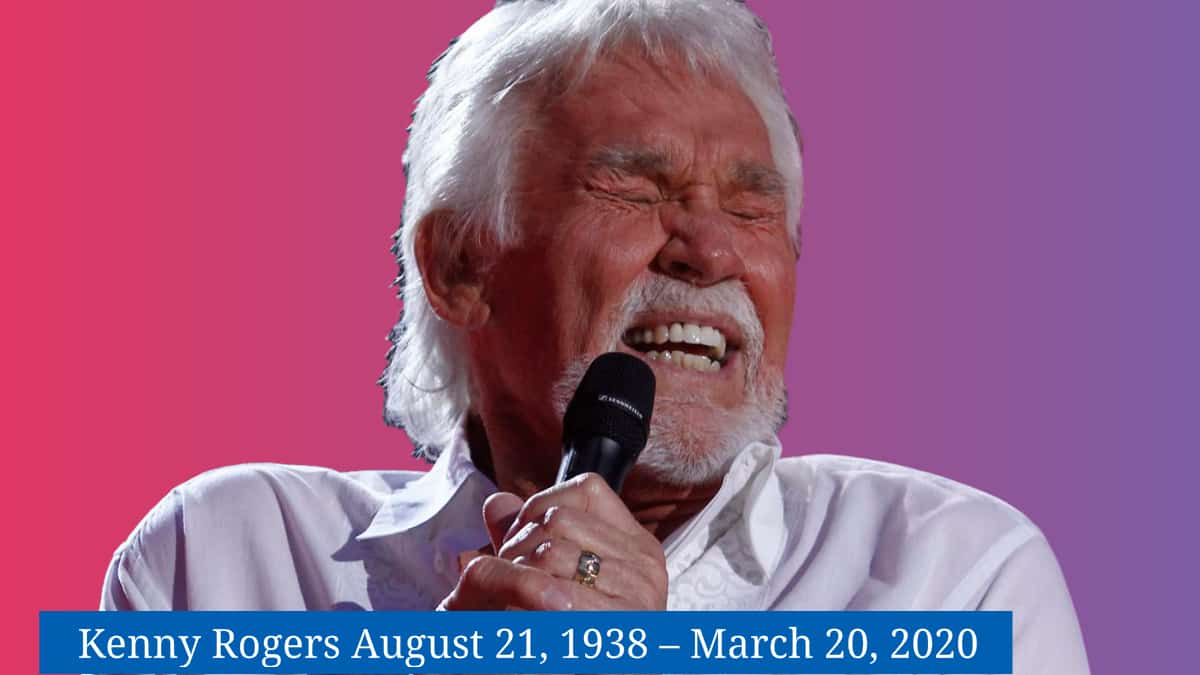
Kenny Rogers
2020
Facebook
"The Gambler" tribute videos
70M+
5
Tupac Shakur
1996 (but resurgent tributes post-2016)
<
The Role of Media in Reporting Singer Deaths
The death of a singer often becomes a global event, amplified by media outlets that shape public perception, grief, and cultural memory. Before the digital revolution, traditional media—newspapers, radio, and television—served as the primary gatekeepers of news, dictating how the world learned about the passing of iconic artists. Their reporting methods, ethical dilemmas, and evolving practices reflect broader shifts in journalism, technology, and societal expectations. In the 21st century, the rise of live-streaming, breaking news alerts, and social media has accelerated the dissemination of such news, transforming both the speed and sensitivity of coverage. This section examines the historical and contemporary dynamics of media’s role, including ethical challenges, sensationalism, and the responsibility to balance public demand with respect for the deceased and their legacies.
Traditional Media’s Early Reporting Methods
Before the internet dominated news cycles, traditional media outlets—newspapers, radio broadcasts, and evening news programs—held exclusive control over how the public received news of a singer’s death. Newspapers like The New York Times or The Guardian would publish obituaries or breaking news updates in their late editions, often accompanied by tributes or retrospectives. Radio stations would interrupt programming with bulletins, and television networks like BBC or CNN would dedicate segments to the announcement, frequently followed by special programs or documentaries. These outlets operated under stricter editorial guidelines, prioritizing verified information over immediacy.
For instance, when Elvis Presley died on August 16, 1977, the news spread through radio broadcasts and evening television news, with newspapers running front-page stories the following day. The delay allowed for fact-checking and context, but it also meant fans and families had to wait hours—or even days—for confirmation. Similarly, Freddie Mercury’s death from AIDS in 1991 was initially reported cautiously by British media, reflecting both the stigma around the disease and the need to verify details before public dissemination. Traditional media’s reliance on established sources and slower dissemination processes created a buffer between tragedy and public consumption, though it was not without ethical pitfalls.
Sensationalism and Ethical Dilemmas in Media Coverage
The tension between public demand for dramatic details and ethical responsibility has long plagued media coverage of celebrity deaths, particularly in the entertainment industry. Tabloid newspapers and sensationalist outlets often prioritize shock value over accuracy, leading to ethical dilemmas that blur the line between journalism and exploitation. For example, the death of Princess Diana in 1997 saw British tabloids like The Sun and News of the World publish intrusive details about her private life, paparazzi photos, and even speculative theories about her death. While reputable outlets like The Times focused on tributes and verified facts, tabloids capitalized on grief, raising questions about exploitation and respect.
Similarly, the 2016 death of David Bowie was met with a mix of elegiac coverage in outlets like Rolling Stone and more sensationalist takes in tabloids, which speculated about his private life or financial troubles. Ethical concerns arise when media outlets prioritize salacious details over dignity, particularly when families are grieving. The 2017 death of Linkin Park frontman Chester Bennington highlighted another dilemma: while mainstream media provided thoughtful retrospectives, some online forums and lesser-known outlets spread unverified rumors about his death, exploiting fans’ distress for engagement.
A critical case study is the 2011 death of Amy Winehouse, where British tabloids like The Sun and Daily Mirror published invasive details about her personal struggles, including unflattering photos and speculative stories about her final days. Reputable sources, such as The Guardian, countered this with balanced coverage, emphasizing her musical legacy and the broader issues of mental health and addiction in the industry. This duality underscores the responsibility of media to avoid adding to the trauma of fans and families while still delivering accurate, sensitive reporting.
Balancing Public Demand and Sensitivity
Media outlets face a delicate tightrope when reporting singer deaths: satisfying public curiosity while respecting the deceased’s memory and their loved ones. The immediate aftermath of a death often triggers an outpouring of grief and speculation, with fans seeking closure and context. However, the pressure to deliver "breaking news" can lead to rushed, incomplete, or even misleading reports. For example, the 2014 death of Philip Seymour Hoffman saw some outlets initially misreport details about his cause of death (heroin overdose) before corrections were issued. The rush to be first sometimes overshadows the need for accuracy and empathy.
Ethical journalism in such cases requires a multi-step approach:
1. Verification before publication: Confirming details with official sources (e.g., family statements, funeral homes, or verified social media accounts) before disseminating news.
2. Tone and framing: Avoiding sensationalist language and instead focusing on the artist’s contributions, legacy, and the impact of their death on fans and the industry.
3. Family and fan considerations: Delaying intrusive details until families have had time to process the loss, and directing readers toward verified tributes rather than speculative content.
4. Mental health awareness: Recognizing that celebrity deaths can trigger distress in fans, particularly those with pre-existing mental health conditions, and providing resources or support lines where appropriate.
The 2018 death of Avicii (Tim Bergling) demonstrated how media can navigate this balance. While initial reports focused on the shock value of his sudden death, reputable outlets like Billboard and NME quickly shifted to tributes, interviews with collaborators, and discussions about his influence on electronic music. Social media platforms also played a role in amplifying respectful content, with fans sharing personal stories and tributes under verified hashtags like #RestInPeaceAvicii.
Live-Streaming and the 21st-Century Shift in Reporting
The digital age has revolutionized how news of singer deaths is disseminated, with live-streaming, breaking news alerts, and social media enabling real-time updates. Platforms like Twitter, Facebook, and Instagram now serve as the first point of contact for many fans, often before traditional media can verify or contextualize the news. The 2016 death of Prince was announced via a cryptic social media post from his representative, followed by a wave of unofficial confirmations and tributes before mainstream outlets could respond. This shift has accelerated the speed of reporting but also introduced challenges, such as misinformation, hoaxes, and the pressure to confirm news before official sources are ready.
Television networks and digital news outlets now use live-breaking alerts, interrupting programming to deliver updates, as seen with the 2017 death of Tom Petty. CNN and other news channels provided live coverage, including retrospectives and interviews with industry figures, within hours of the announcement. Similarly, the 2021 death of Aretha Franklin saw news spread rapidly across Twitter and news apps, with fans and media outlets sharing tributes, rare footage, and personal anecdotes almost instantly. While this immediacy allows for faster dissemination of information, it also demands greater vigilance against misinformation and ethical oversights.
The rise of citizen journalism and user-generated content has further complicated the landscape. Fans often take to social media to share unverified rumors or speculative theories, which can then be amplified by algorithms or less discerning outlets. For example, the 2020 death of Chadwick Boseman (though primarily known as an actor) saw a surge of misinformation online, with some users falsely claiming he had been ill for years or speculating about his personal life. Reputable media outlets had to work swiftly to debunk rumors while still honoring his legacy.
Best Practices for Ethical Journalism in Reporting Singer Deaths
Given the high stakes of reporting celebrity deaths, media outlets must adhere to strict ethical guidelines to ensure dignity, accuracy, and respect. Below are actionable best practices derived from industry standards and case studies:
"Ethical journalism requires a commitment to truth, accountability, and fairness—values that are especially critical when reporting on sensitive topics like celebrity deaths."
— Society of Professional Journalists (SPJ) Code of Ethics
Media organizations should prioritize the following principles:
Prioritize official sources: Confirm deaths through verified statements from families, legal representatives, or funeral homes before publishing. Avoid relying on anonymous or unverified leaks.
Delay intrusive details: Postpone publishing personal or speculative information (e.g., cause of death, private struggles) until families have been notified and had time to process the loss. Example: The New York Times waited 24 hours before revealing details about Kurt Cobain’s suicide in 1994, allowing his family to grieve privately.
Avoid sensationalist headlines: Steer clear of clickbait or exploitative language. Instead, use respectful, legacy-focused headlines (e.g., "Tribute to [Artist’s Name]: A Life Celebrated Through Music").
Provide context and legacy: Focus reporting on the artist
Behind-the-Scenes: The Industry’s Response to Singer Deaths
The death of a musician disrupts not only their fanbase but also the intricate financial, legal, and creative machinery of the music industry. Behind the public tributes and memorial concerts lies a meticulously orchestrated response from record labels, management teams, and legal entities to preserve the artist’s legacy while managing their estate. This process involves navigating complex contracts, posthumous releases, and emotional challenges faced by collaborators, all while ensuring the artist’s work continues to generate revenue and cultural impact.
The immediate aftermath of a singer’s death triggers a cascade of operational and logistical decisions, often handled by designated representatives such as executors, trustees, or family members. Legal frameworks, including wills, trusts, and contractual agreements, dictate how assets—such as unreleased music, royalties, and intellectual property—are managed. Meanwhile, surviving band members or session musicians grapple with personal loss, compounded by the pressure to maintain creative momentum or fulfill contractual obligations. The phenomenon of "cult followings" further complicates these dynamics, as late-career resurgences in popularity can redefine an artist’s commercial and cultural legacy, as seen with figures like Kurt Cobain or Prince, whose posthumous releases and reissues continue to dominate charts decades after their deaths.
Contract Obligations and Asset Management in the Wake of Death
Record labels and management teams activate predefined protocols to secure an artist’s estate, often outlined in advance health care directives or posthumous planning documents. These agreements specify how recordings, master tapes, and publishing rights are handled, including whether new music can be released or if existing contracts must be honored. For example, Michael Jackson’s estate has faced prolonged legal battles over unreleased material, with his family and representatives negotiating with labels like Epic Records to ensure financial stability while respecting his creative vision.
Financial management becomes a critical priority, as royalties, streaming revenues, and merchandise sales must be distributed to heirs or designated beneficiaries. Estate settlements typically involve appraising the artist’s net worth, which may include tangible assets (e.g., homes, vehicles) and intangible assets (e.g., songwriting credits, branding rights). A trust is often established to oversee these funds, with trustees—frequently the artist’s spouse, children, or legal advisors—making decisions on distributions. In cases like Amy Winehouse’s estate, disputes arose over financial mismanagement, highlighting the need for transparent governance to prevent exploitation by opportunistic parties.
Labels also reassess recording contracts, which may include clauses for posthumous releases or "control periods" that extend beyond the artist’s lifetime. For instance, Led Zeppelin’s legal battles over the rights to John Bonham’s drum tracks demonstrated how even posthumous collaborations require clear contractual agreements. Management teams must also address touring commitments, such as canceled concerts or refunds to ticket holders, while balancing the emotional toll on surviving members. Fleetwood Mac’s Lindsey Buckingham and Stevie Nicks navigated this challenge after Christine McVie’s death in 2022, pausing tours to grieve while fulfilling promotional obligations.
Legal and Financial Processes for Posthumous Releases and Royalties
The release of posthumous music involves a multi-step legal and financial process, governed by copyright law, estate planning, and label agreements. Copyrights for musical compositions and sound recordings typically revert to the artist’s estate upon death, unless transferred to a label or publisher during their lifetime. For example, The Beatles’ catalog remains under the control of Apple Corps, which manages royalties and reissues, while Elton John’s estate has systematically released unreleased tracks to capitalize on his enduring fanbase.
A step-by-step guide to managing a posthumous project begins with legal clearance, where executors or trustees obtain consent from all rights holders, including session musicians, producers, and co-writers. This process often requires due diligence to locate lost or misplaced master tapes, as seen with Prince’s vault of unreleased music, which took years to catalog and release. Once cleared, the project moves to production and marketing, where labels collaborate with engineers or producers to finalize tracks. Financial projections are then prepared to assess the viability of the release, considering costs for promotion, manufacturing, and distribution.
Royalties from posthumous releases are distributed according to estate settlements, with percentages allocated to heirs, creditors, and the artist’s chosen charities. Streaming platforms and physical sales generate ongoing revenue, but the value of these earnings can fluctuate based on market trends. For instance, Tupac Shakur’s posthumous album Better Dayz (2022) debuted at No. 1 on the Billboard 200, proving that late-career releases can achieve commercial success. However, Prince’s estate has faced criticism for exploitative pricing strategies, such as charging high fees for access to his archives, which underscores the need for ethical stewardship.
Surviving Collaborators: Coping with Loss and Creative Continuity
The death of a bandmate or collaborator creates a dual burden for surviving musicians: mourning the loss while fulfilling professional commitments. Interviews with industry insiders reveal that grief often intersects with work, requiring a delicate balance between emotional processing and industry expectations. Dave Grohl, after Kurt Cobain’s death, channeled his grief into Nirvana’s MTV Unplugged release and later formed Foo Fighters, using music as a form of catharsis. Similarly, Dave Matthews reflected on the impact of Stevie’s death in The Dave Matthews Band, stating that their music became a way to honor her memory while continuing their legacy.
Surviving members may also face pressure from labels to release new material or tour, which can feel exploitative if not handled sensitively. Fleetwood Mac’s Mick Fleetwood acknowledged this tension after Peter Green’s death, noting that the band had to pause creative projects to grieve while still meeting contractual deadlines. In some cases, legal disputes arise over creative control, such as when The Rolling Stones’ Mick Jagger faced criticism for continuing tours after Keith Richards’ health issues, which later influenced discussions about posthumous touring.
Collaborators often rely on therapy, support groups, or industry networks to navigate their loss. Music industry associations, such as the Recording Academy’s grief support programs, provide resources for artists coping with trauma. Additionally, memorial concerts serve as both a tribute and a way to reconnect with fans, as seen with Prince’s Purple Rain reunion tour and Amy Winehouse’s Lioness: Hidden Treasures project, which featured contributions from her peers.
Cult Followings and the Posthumous Resurgence of Popularity
The death of a singer frequently triggers a surge in fan engagement, as audiences reinterpret their work through the lens of mortality and legacy. This phenomenon, observed in cases like Kurt Cobain, Amy Winehouse, and Prince, transforms artists into cultural icons, with their music experiencing renewed commercial and critical acclaim. Data from streaming platforms shows that deaths often correlate with spikes in listenership; for example, Whitney Houston’s death in 2012 led to a 40% increase in streams of her greatest hits.
The rise of cult followings is driven by several factors:
Nostalgia and Scarcity: Fans perceive limited-time opportunities to experience an artist’s work, fueling demand for reissues, bootlegs, or archival releases.
Mythologization: Media narratives often romanticize the artist’s life and death, as seen with Jimi Hendrix’s tragic final days or Amy Winehouse’s struggles with addiction, which deepen emotional connections.
Social Media Amplification: Platforms like TikTok and Instagram enable viral tributes, where short clips of an artist’s music or interviews resurface, introducing their work to new audiences.
Case studies illustrate this dynamic:
Kurt Cobain’s influence expanded posthumously through documentaries (Montage of Heck), unreleased demos (You Know You’re Right), and merchandise sales, with Nirvana’s catalog generating over $50 million annually in royalties.
Prince’s estate leveraged his death to release unfinished projects (The Music Man), which debuted at No. 1, while his Purple Rain tour became a global phenomenon, grossing $100 million.
Amy Winehouse’s posthumous album Lioness: Hidden Treasures (2015) became her first UK No. 1 album, proving that late releases can achieve chart success.
However, this resurgence can also lead to commercialization concerns, where estates prioritize profit over artistic integrity. Critics argue that Prince’s vault releases were rushed to capitalize on his death, while Amy Winehouse’s family faced backlash for approving projects that some fans deemed exploitative. Balancing financial sustainability with respect
Memorializing Singers: Art, Music, and Legacy Projects
The death of a singer often triggers a wave of creative tributes that transcend music, embedding their legacy into cultural consciousness through art, documentaries, and posthumous releases. These memorials serve as bridges between the artist’s past and the enduring influence they hold on future generations. Beyond commercial success or chart-topping posthumous albums, these projects redefine how society honors musical icons, ensuring their stories and sounds remain immortalized in ways that resonate emotionally, artistically, and historically.
Legacy projects for deceased singers frequently blend nostalgia with innovation, leveraging technology, collaborative artistry, and archival preservation. From cover songs that recontextualize a singer’s work to immersive holographic performances, these initiatives reflect a broader cultural need to grieve, celebrate, and reinterpret the lives of artists who shaped music. The following sections explore how tributes manifest across mediums—music, visual art, film, and interactive experiences—while examining the commercial and critical impact of posthumous creations.
Cover Songs, Samples, and Collaborative Tributes
Artists frequently honor deceased peers through cover songs, sampling, or direct collaborations, often transforming mourning into musical dialogue. These tributes range from heartfelt homages to genre-defying reinterpretations, demonstrating how a singer’s influence persists through creative reinterpretation. For example, Amy Winehouse’s death in 2011 inspired a flood of covers, including Dua Lipa’s live performance of "Valerie" (a nod to Winehouse’s soulful style) and Ed Sheeran’s "Perfect" (sampled from Winehouse’s "Valerie" but later clarified as unintentional). Similarly, Prince’s posthumous releases saw artists like The Weeknd, Beyoncé, and Kendrick Lamar sample his work, embedding his musical DNA into new genres.
Sampling plays a crucial role in preserving a singer’s legacy, as seen in Tupac Shakur’s enduring influence. Producers like Dr. Dre, Snoop Dogg, and Kanye West frequently sampled Tupac’s unreleased tracks (e.g., "Untitled" and "Change the Game"), turning posthumous leaks into cultural phenomena. The Notorious B.I.G.’s "Mo Money Mo Problems" was later covered by Drake, Lil Wayne, and even a Disney version, proving how a single song can spawn cross-generational tributes. These collaborations often become intergenerational conversations, where newer artists engage with the past while paying homage.
"Music is the universal language of mankind." —Henry Wadsworth Longfellow
Cover songs and samples act as linguistic bridges, translating the emotional and artistic language of deceased singers into new contexts.
Museums, Exhibits, and Permanent Installations
Physical memorials solidify a singer’s legacy by offering tangible, immersive experiences that blend memorabilia, interactive displays, and curated storytelling. Museums and exhibits provide fans with a deeper connection to the artist’s life, often featuring rare recordings, personal artifacts, and multimedia presentations. Whitney Houston’s memorials, including the Whitney Houston Legacy Exhibit at the Grammy Museum in Los Angeles, showcase her iconic outfits, awards, and rare footage, while the Whitney Houston Museum in Newark, New Jersey, preserves her ties to her hometown. These spaces transform grief into education, allowing visitors to trace Houston’s journey from gospel roots to global superstardom.
Other notable installations include:
Elvis Presley’s Graceland Mansion, now a museum, offers a virtual reality experience of his life, complete with holographic performances and a recreated Jungle Room.
Michael Jackson’s ONE: The Exhibition, a traveling museum, features holographic performances, interactive displays, and rare footage from his career.
Freddie Mercury’s memorial at the Kensington Palace in London, which includes a plaque honoring his legacy and a garden dedicated to AIDS awareness, reflecting his philanthropic work alongside his musical genius.
These installations often incorporate augmented reality (AR) and holographic technology, allowing visitors to "see" the artist perform or interact with their discography in ways that static exhibits cannot. For instance, ABBA’s holographic reunion tour (2018–2021) used virtual recreations of the band members to perform their greatest hits, extending their legacy beyond physical presence.
Documentaries and Biopics: Immortalizing Lives on Screen
Documentaries and biopics serve as cinematic time capsules, distilling an artist’s life into a narrative that educates, entertains, and emotionally resonates with audiences. These projects often achieve both critical acclaim and commercial success, reinforcing a singer’s cultural impact. Amy Winehouse’s Amy (2015), directed by Asif Kapadia, won the Academy Award for Best Documentary Feature and grossed over $100 million worldwide, becoming a case study in how raw, archival footage can immortalize an artist’s struggle and genius. Similarly, Elvis Presley’s Elvis (2022), directed by Baz Luhrmann, became a box office sensation, earning over $200 million and sparking renewed interest in Presley’s music and persona.
Biographical films often redefine public perception of an artist, as seen with:
La La Land (2016), which romanticized the music industry while subtly mirroring the rise and fall of artists like Stevie Nicks and Fleetwood Mac.
Rocketman (2019), a musical biopic of Elton John, featured holographic performances and grossed $120 million, introducing his story to younger audiences.
All Eyez on Me (2017), a dramatized account of Tupac Shakur’s life, reignited discussions about his untimely death and artistic legacy.
Documentaries, in particular, leverage unreleased interviews, home videos, and never-before-seen footage to create a 360-degree portrait of the artist. For example, Prince’s The Music of Prince (2019), a Netflix documentary, included exclusive performances and interviews, while David Bowie’s Is It Any Wonder? (2023) explored his later years and artistic reinventions.
"A great documentary doesn’t just tell a story—it makes you feel it." —Errol Morris
The most successful singer biopics and documentaries merge storytelling with emotional authenticity, ensuring the artist’s humanity shines through.
Posthumous Albums: Critical Acclaim and Commercial Success
Posthumous albums often become cultural phenomena, blending unfinished work with archival treasures to create a final artistic statement. Some achieve critical acclaim, commercial success, or both, proving that an artist’s influence can outlast their lifetime. Tupac Shakur’s All Eyez on Me (1996) and The Don Killuminati: The 7 Day Theory (1996) remained best-selling albums for years, while Michael Jackson’s Xscape (2014) debuted at No. 1 on the Billboard 200, becoming his first posthumous No. 1 album. Similarly, Prince’s Musicology (2004) and 3121 (2006) were released after his death, with the latter featuring unreleased tracks and collaborations with artists like Beyoncé.
The production of posthumous albums often involves family archives, studio outtakes, and AI-assisted vocal reconstructions (as seen in Hologram Elvis’s performances). Whitney Houston’s I Look to You (2009) included pre-recorded vocals mixed with new production, while Amy Winehouse’s Lioness: Hidden Treasures (2011) compiled demos and unreleased tracks. These albums frequently debut at the top of charts, with I Look to You reaching No. 1 in 26 countries, and Lioness becoming her third UK No. 1 album.
A notable trend is the use of AI and machine learning to "revive" artists’ voices, as demonstrated by:
ABBA’s Voyage (2021), featuring AI-generated vocals of the original members.
The Weeknd’s Dawn FM (2022), which included posthumous samples of artists like Marvin Gaye and The Notorious B.I.G.
Holographic performances by Elvis Presley and Tupac Shakur, using motion-capture technology to recreate their likenesses.
Iconic Posthumous Performances and Virtual Resurrections
Advancements in technology have enabled holographic concerts, AI-generated performances, and archival re-releases to bring deceased singers back to life—literally and metaphorically. These innovations have redefined live entertainment, allowing fans to experience their idols in
The legacy of a singer who dies today extends far beyond their final note—it becomes a cultural earthquake, rippling through genres, generations, and global communities. Their music transcends time, but the circumstances of their departure often spark conversations about mental health, industry accountability, and the fleeting nature of fame. As tributes go viral and posthumous projects emerge, one thing remains clear: the death of a singer is not just a headline; it is a mirror reflecting society’s relationship with art, grief, and the immortal power of sound.

Leave a Comment
Comments are moderated before appearing. The data you submit is processed according to the Privacy Policy of Propertyrate.