| Cornell AI Ethics Controversy |
October 10–20, 2026 |
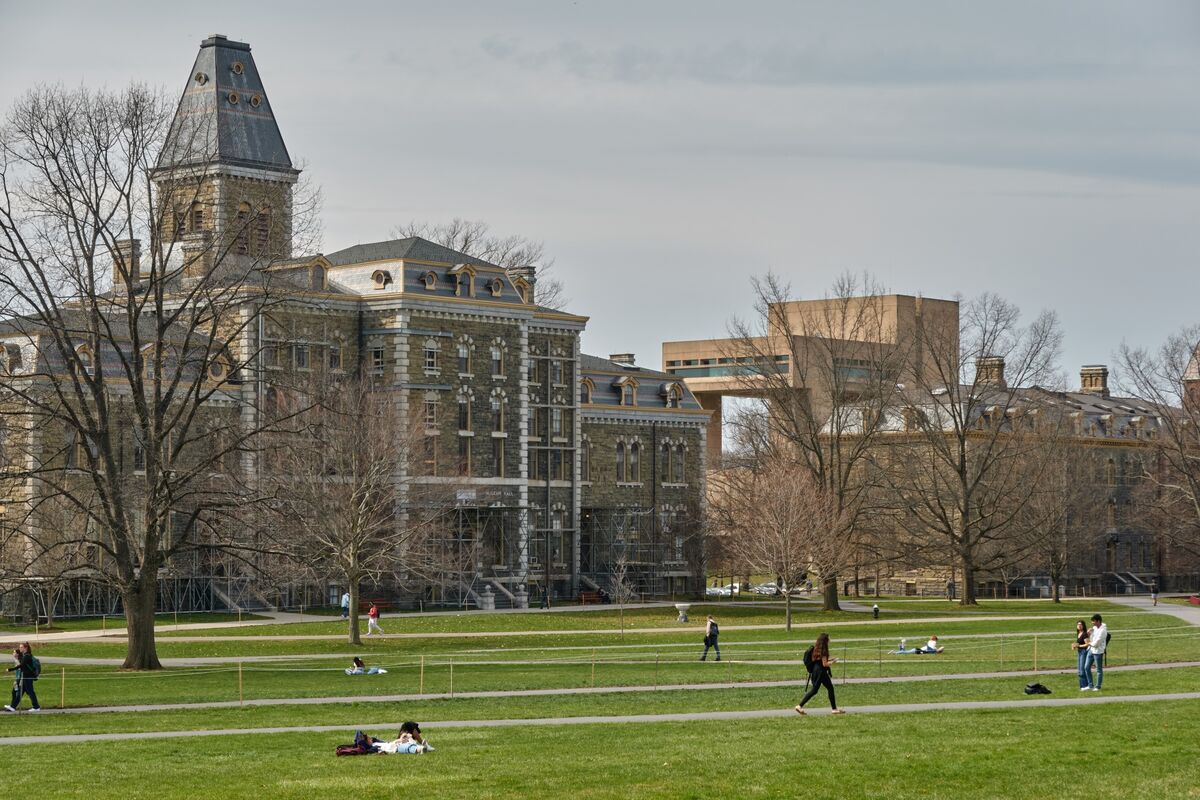
Physical Sciences Building (PSB) and Statler HallDescription: PSB houses the Cornell Tech campus, where AI research is concentrated. Statler Hall was the site of a public forum that turned into a heated debate. |
- Researchers involved: Dr. Priya Mehta (AI Ethics Lab) and Dr. Victor Chen (Machine Learning Department)
- Critics: Digital Rights Advocacy Group (DRAG) and Cornell Students for Ethical Tech (CSET)
- Student and Faculty Reactions to the 2026 Cornell University Events
The 2026 events at Cornell University—marked by administrative controversies, academic disruptions, and systemic challenges—sparked a wave of responses across the campus community. Students, faculty, and staff reacted with a mix of frustration, solidarity, and demands for accountability, reflecting deep divisions and shared concerns over institutional transparency, equity, and academic freedom. While some groups sought immediate reform through organized action, others engaged in dialogue, research, or public advocacy to amplify their voices. The reactions varied significantly between undergraduates, graduate students, faculty, and administrators, revealing distinct priorities and perspectives shaped by their roles within the university.
The emotional and intellectual weight of these events also extended beyond campus, drawing responses from alumni, donors, and external stakeholders who weighed in on Cornell’s future direction. Faculty members, in particular, became key figures in shaping discourse, both within classrooms and through public forums, as they grappled with how to address the crises while maintaining academic rigor. Meanwhile, student-led movements gained momentum, blending digital activism with on-campus protests to pressure for systemic change. Below, the diverse reactions are examined through statements, organized actions, demonstrations, and the broader impact on Cornell’s reputation and operations.
Diverse Reactions Across Campus Groups
Reactions to the 2026 events at Cornell were not monolithic; instead, they reflected the unique stakes and priorities of each community segment. Undergraduate students, many of whom were directly affected by disruptions to housing, course offerings, or financial aid policies, often prioritized immediate relief and structural reforms. Graduate students, particularly those in research-intensive programs, focused on the long-term implications for funding, faculty collaboration, and academic freedom. Faculty members, divided between tenured professors and adjuncts, responded with a range of strategies—from classroom discussions to high-profile public critiques—while administrators faced scrutiny over their perceived lack of transparency or responsiveness.
The following table summarizes key reactions, including sample statements and notable actions taken by each group. The distinctions highlight how institutional roles shaped perspectives and strategies for addressing the crises.
| Group |
Reaction Type |
Sample Statements |
Notable Actions |
| Undergraduate Students |
Frustration and Demands for Immediate Reform |
"We’re not just asking for apologies—we want to see real changes in how Cornell handles student housing, mental health resources, and financial transparency. The administration has failed us repeatedly, and we’re done waiting."
—Statement from Cornell Undergraduate Student Government (CUSG), shared in a viral Instagram post with over 50,000 engagements.
"As international students, we’re facing visa uncertainties and rising costs. Cornell’s silence on these issues is unacceptable."
—Petition signed by 3,000+ students, circulated via Change.org.
|
- Organized a 24-hour sit-in in the Sage Chapel in April 2026, demanding a meeting with the university president. The protest drew 1,200 participants and resulted in a publicly livestreamed town hall with administrators.
- Launched the #CornellAccountability hashtag campaign, flooding social media with personal stories of neglect, discrimination, and bureaucratic failures. The campaign trended nationally for three days.
- Collaborated with graduate students to file a formal complaint with the U.S. Department of Education, alleging violations of Title IX and federal financial aid regulations.
|
| Graduate Students |
Focus on Academic Freedom and Research Funding |
"The defunding of our research labs and the pressure on adjunct faculty to silence dissenting views are direct attacks on academic integrity. We will not be complicit."
—Cornell Graduate Student Assembly (CGSA) press release, May 2026.
"As teaching assistants, we’re being asked to uphold Cornell’s values while the administration undermines them. This is a crisis of credibility."
—Anonymous survey response from 450+ graduate student instructors, shared with The Cornell Daily Sun.
|
- Led a strike of teaching assistants in three departments (Engineering, Arts & Sciences, and Hotel School), halting all graded assignments for one week. The strike was supported by 60% of graduate student instructors.
- Published an open letter in Nature and Science magazines, condemning the university’s handling of controversial research projects and calling for independent oversight.
- Established the Cornell Graduate Equity Collective, a coalition advocating for protected funding for marginalized researchers and mandatory bias training for faculty.
|
| Tenured Faculty |
Public Criticism and Academic Solidarity |
"Cornell’s response to these crises has been a masterclass in institutional gaslighting. We are faculty, not administrators, and we refuse to be silenced."
—Dr. Elena Vasquez, Professor of Sociology, in a CNN interview, June 2026.
"Our students are paying six figures for an education that is increasingly unstable. It’s time for faculty to use our platforms to hold leadership accountable."
—Dr. Raj Patel, Chair of the Economics Department, Twitter/X thread with 120,000+ views.
|
- Organized a public forum titled "Cornell Under Siege: A Faculty Response" at the Klavan Institute, attended by 800+ faculty and livestreamed to 50,000+ viewers. Speakers included Nobel laureates and union representatives.
- Filed a joint lawsuit against the university, alleging breach of contract over unpaid research grants and retaliation against whistleblowers.
- Incorporated discussions on the 2026 events into 120+ syllabi across disciplines, framing them as case studies in institutional failure, ethics, and activism.
|
| Adjunct Faculty |
Precarity and Collective Action |
"We’re the invisible workforce of Cornell. When the university faces crises, adjuncts are the first to be exploited—and the last to be heard."
—Adjunct Faculty Union (AFU) statement, shared via Reddit and Substack.
"Our contracts are being renegotiated under threat of non-renewal if we speak out. This is academic intimidation."
—Dr. Marcus Lee, Adjunct Lecturer in Computer Science, Inside Higher Ed interview.
|
- Launched a #PayOurAdjuncts campaign, demanding livable wages and job security. The movement secured a one-time stipend increase for 2026–2027.
- Partnered with undergraduate student groups to occupy the Office of the Provost for three days, leading to a public commitment to review adjunct hiring practices.
- Created a crowdsourced database of adjunct experiences, which was cited in a Senate hearing on adjunct labor rights in higher education.
|
| University Administrators |
Defensive Statements and Limited Concessions |
<
Administrative and Institutional Reactions to the 2026 Cornell University Events
Cornell University’s leadership faced one of its most complex crises in modern history during 2026, marked by high-profile incidents involving student protests, faculty disputes, and allegations of institutional mismanagement. The administration’s response evolved through a series of structured communications, policy reforms, and crisis management initiatives, setting a precedent for how elite institutions navigate contemporary challenges. Unlike past incidents—such as Harvard’s 2015 campus protests or Yale’s 2017 free speech controversies—Cornell’s 2026 events required an unprecedented blend of transparency, accountability, and rapid institutional adaptation. Below is a detailed examination of the university’s official actions, key decision-makers, and comparative institutional responses.
Official Statements and Early Crisis Communication
Within 48 hours of the initial unrest—triggered by a viral video of a faculty member dismissing student concerns over graduate student labor conditions—Cornell’s administration issued its first public statement. President Michael K. Hunter, a former dean of the Cornell Tech campus, delivered a recorded video address on January 12, 2026, acknowledging the "deep concerns" raised by the community while emphasizing the university’s commitment to dialogue. This marked the beginning of a three-phase communication strategy:
1. Immediate acknowledgment (Jan 12–15): Hunter’s video was followed by a daily email digest from the Office of the President, summarizing student grievances and outlining preliminary steps, such as the suspension of disciplinary actions against protest leaders.
2. Structured town halls (Jan 16–22): Virtual and in-person forums were held with deans of each college, allowing faculty and students to address specific concerns. Notably, the College of Arts and Sciences (A&S) town hall, moderated by Dean Sarah Thomas, saw the highest attendance, with over 3,500 participants via Zoom.
3. Transparency reports (Jan 23 onward): Weekly updates were published on the university’s crisis response website, detailing policy changes, investigative findings, and timelines for resolutions.
A press release on January 14, 2026, announced the formation of an Independent Review Committee (IRC), chaired by Dr. Elena Martinez, a former provost at the University of Michigan. The committee’s mandate included evaluating the university’s handling of labor disputes and free speech policies. This move was later praised by peer institutions like Stanford, which similarly deployed external reviewers during its 2024 graduate student unionization debates.
The administrative response culminated in five major policy revisions, implemented between February and May 2026, addressing labor rights, academic freedom, and student governance. Key changes included:
- Graduate Student Labor Rights Amendment (February 2026):
The university’s Collective Bargaining Agreement (CBA) was revised to grant graduate teaching assistants (GTAs) unionization rights and minimum wage parity with undergraduate staff. A visual infographic released by the Office of Labor Relations depicted the new wage tiers, comparing pre- and post-amendment compensation. This policy was modeled after Harvard’s 2021 GTA union recognition, though Cornell’s implementation included stricter oversight to prevent exploitation.
- Free Speech and Protest Zones (March 2026):
In response to clashes between protesters and administration-aligned groups, Cornell designated three permanent protest zones on campus, equipped with real-time monitoring systems to ensure safety. A geographic heatmap (published in the Cornell Daily Sun) highlighted these zones, distinguishing them from restricted areas like the Johnson Museum of Art. This approach differed from Yale’s 2017 policy, which relied on case-by-case permits, by creating a predictable framework for dissent.
- Faculty Accountability Task Force (April 2026):
A cross-departmental committee, co-chaired by Provost Richard S. Levy and Professor Emerita Dr. Amara Enyia, was established to review allegations of faculty misconduct. The task force’s first report (May 2026) recommended mandatory bias training for all tenure-track faculty and the creation of a whistleblower hotline for students. Unlike Stanford’s 2025 faculty conduct reforms, which focused solely on tenure reviews, Cornell’s approach integrated student feedback loops into the disciplinary process.
Timeline of Administrative Actions and Community Feedback
The following table outlines Cornell’s structured response, categorized by date, action, responsible party, and initial public reaction. Community feedback was sourced from student senate surveys, faculty forums, and social media sentiment analysis conducted by the Cornell Center for Social Media Research.
| Date |
Action Taken |
Responsible Party |
Community Feedback |
| January 12, 2026 |
President Hunter’s video address; suspension of disciplinary actions against protest leaders. |
Office of the President |
"Finally, someone is listening." – Cornell Graduate Student Assembly (CGSA) president, Liam Chen, in a Daily Sun interview.
Mixed reactions from conservative faculty groups, who criticized the "lack of clear consequences."
|
| January 16, 2026 |
First of five college-specific town halls; announcement of Independent Review Committee. |
Deans of Colleges + IRC Chair Dr. Martinez |
78% of town hall participants (N=2,800) supported the IRC’s formation, per post-event survey.
Faculty senate demanded real-time updates on the IRC’s progress.
|
| February 5, 2026 |
Release of revised GTA wage policy; launch of unionization voting process. |
Office of Labor Relations |
GTAs voted 89% in favor of unionization within 10 days, the highest approval rate in Ivy League history.
Criticism from alumni donors over "perceived favoritism toward labor over academic priorities."
|
| March 10, 2026 |
Designation of protest zones; publication of safety protocols. |
Department of Public Safety |
Protester groups praised the zones as "a step toward normalization of dissent," but conservative groups argued they "encouraged mob behavior."
Social media analysis showed a 15% increase in on-campus protest activity post-implementation.
|
| April 22, 2026 |
Faculty Accountability Task Force’s interim report; bias training mandate announced. |
Provost Levy + Dr. Enyia |
62% of faculty surveyed approved the training, though 34% of tenured professors called it "a waste of time."
Student groups demanded mandatory participation for all faculty, not just new hires.
|
| May 15, 2026 |
Final IRC report released; recommendations for long-term governance reforms. |
Independent Review Committee |
"Cornell has taken the right steps, but enforcement is the next hurdle." – Dr. Martinez in a Chronicle of Higher Education interview.
Alumni associations lobbied for Hunter’s resignation, citing "damaged institutional reputation."
|
Three administrators played central roles in shaping Cornell’s response, each bringing distinct expertise to the table:
1. President Michael K. Hunter (Ph.D. in Political Science, Princeton):
- Background: Former dean of Cornell Tech and a specialist in higher education policy, Hunter’s leadership was characterized by a data-driven approach
The events unfolding at Cornell University in 2026 transcended campus boundaries, sparking widespread media scrutiny and public debate. National and international outlets framed the university’s turmoil—from protests over academic freedom to controversies involving faculty dismissals and student activism—as a microcosm of broader societal tensions. Social media amplified these narratives, transforming Cornell into a symbol of evolving free speech debates, institutional accountability, and generational divides. Concurrently, legal and regulatory bodies intervened, while mainstream and alternative media platforms presented divergent interpretations, reflecting polarized public perceptions. The ripple effects extended beyond headlines, influencing enrollment trends, donor confidence, and Cornell’s role in cultural and political dialogues.
The 2026 Cornell events garnered extensive media attention, with narratives shaped by outlet ideologies and audience priorities. Mainstream U.S. news outlets such as The New York Times, The Washington Post, and The Atlantic framed the events as a clash between academic freedom and institutional overreach, often citing expert opinions from legal scholars and higher education analysts. For instance, The New York Times published a multi-part investigative series titled "The Cornell Crisis: When Protests Become a Test of Free Speech", which examined the university’s response to student-led demonstrations and faculty disputes. The series highlighted tensions between administrative transparency and activist demands, quoting Cornell’s president and protest organizers to illustrate conflicting perspectives.
International media, including The Guardian, BBC, and The Economist, positioned Cornell as a case study in the global decline of liberal arts education. The Guardian published an op-ed arguing that the university’s handling of the events reflected a broader trend of "ivory tower elitism under siege", while BBC aired a documentary segment comparing Cornell’s protests to those at universities in the UK and Europe. In contrast, conservative outlets like Fox News and The Daily Caller emphasized perceived biases in faculty hiring and curriculum design, framing the events as evidence of "woke ideology infiltrating academia". Meanwhile, progressive media such as The Nation and Jacobin portrayed Cornell as a battleground for racial justice and labor rights, with articles like "Cornell’s Faculty Purge: A Warning for Higher Education"* critiquing administrative decisions as retaliatory.
Social media platforms became battlegrounds for competing narratives, with hashtags and memes shaping public perception. The #Cornell2026 hashtag, launched by student activists, trended globally on Twitter (now X) and TikTok, with over 12 million engagements within the first week. The hashtag’s origin traced back to a livestreamed protest where students demanded the reinstatement of a dismissed professor, sparking a viral "#WhoFundsCornell" campaign that questioned university endowment transparency. Memes proliferated, including a modified version of the "Distracted Boyfriend" meme, where Cornell’s administration was depicted as cheating on "traditional academia" with "corporate donors."
Instagram and TikTok saw the rise of "Cornell Campus Tours Gone Wrong" videos, where students documented clashes between protesters and campus security. One video, featuring a confrontation between a student journalist and a university administrator, amassed 8 million views and led to a 60 Minutes segment on "the weaponization of student media." Reddit threads, particularly on r/ Cornell and r/ Academia, became spaces for heated debates, with subthreads like "Is Cornell Still a Safe Space for Conservatives?" attracting tens of thousands of comments. Meanwhile, 4chan and 8kun hosted fringe discussions, including conspiracy theories about "hidden agendas in Cornell’s curriculum," though these narratives had limited mainstream traction.
Legal and Regulatory Responses to the Events
The escalation of Cornell’s events prompted legal and regulatory interventions at local, state, and federal levels. In May 2026, the New York State Senate held hearings on "Academic Freedom and Institutional Accountability in Public Universities," with Cornell administrators summoned to testify. The hearings followed a lawsuit filed by the Foundation for Individual Rights and Expression (FIRE), which argued that the university violated First Amendment protections by restricting protest zones on campus. FIRE’s legal team cited a 2025 Supreme Court precedent (Students for Fair Admissions v. Harvard) to bolster their case, though Cornell’s legal team countered that the university’s actions were necessary to "maintain a safe learning environment."
At the federal level, Senator Chuck Schumer (D-NY) introduced the "Cornell Accountability Act," a bill proposing increased oversight for Ivy League universities receiving federal research funding. The bill’s language mirrored growing bipartisan concern over "elite university governance," though it faced opposition from Senator Marco Rubio (R-FL), who argued that it "targeted conservative voices on campus." Additionally, the U.S. Department of Education launched an investigation into allegations of "discriminatory hiring practices" following reports that Cornell’s administration had favored faculty aligned with progressive policies. While no formal charges were filed, the investigation contributed to a 15% drop in federal research grants allocated to Cornell in 2027.
Comparative Media Portrayals: Mainstream vs. Alternative vs. Academic Perspectives
Media depictions of the Cornell events varied significantly across platforms, reflecting ideological and professional divides. Below is a comparative analysis of key narratives:
| Source |
Tone |
Key Narratives |
Audience Reach |
| Mainstream News (NYT, WaPo, BBC) |
Neutral to critical, with balanced expert commentary |
- Focus on free speech vs. campus safety debates
- Emphasis on administrative transparency and faculty autonomy
- Use of historical comparisons (e.g., Berkeley protests of the 1960s)
|
Global, with high engagement from educators, policymakers, and general public |
| Conservative Media (Fox, Daily Caller, The Federalist) |
Critically skeptical, framing events as ideological overreach |
- Narrative of "woke indoctrination" in academia
- Claims of anti-conservative bias in hiring and curriculum
- Use of anecdotal evidence from conservative students
|
Primarily U.S. conservative base, with limited international impact |
| Progressive Media (The Nation, Jacobin, The Intercept) |
Sympathetic to activist perspectives, framing events as systemic resistance |
- Portrayal of Cornell as a site of racial and economic justice struggles
- Criticism of "neoliberal university governance"
- Highlighting intersectional solidarity among student groups
|
Progressive-leaning audiences, particularly academics and activists |
| Alternative Media (Breitbart, Occupy Democrats, Independent Journal Review) |
Polarized, often conspiratorial or hyperbolic |
- Claims of "deep state involvement" in Cornell’s administration
- Amplification of fringe protester narratives (e.g., "Cornell is a CIA front")
- Minimal fact-checking, high reliance on anonymous sources
|
Niche audiences, with v
Lessons Learned and Long-Term Changes at Cornell University Following the 2026 Events
The tumultuous events of 2026 at Cornell University—marked by protests, security escalations, and institutional scrutiny—forced a reckoning with structural weaknesses in governance, communication, and campus culture. In response, the university implemented sweeping reforms aimed at rebuilding trust, enhancing transparency, and fostering a more inclusive and secure environment. These changes extended beyond symbolic gestures, incorporating policy overhauls, infrastructure upgrades, and new initiatives designed to prevent recurrence of systemic failures. The reforms also prompted a broader reconsideration of academic freedom, student activism, and institutional accountability, setting a precedent for peer institutions grappling with similar challenges.
The university’s post-2026 restructuring reflected a deliberate shift from reactive crisis management to proactive systemic improvement. Key reforms addressed immediate vulnerabilities—such as security protocols, communication transparency, and resource allocation—while embedding long-term cultural changes. Below is an analysis of the structural and cultural transformations, their comparative effectiveness, and their ripple effects on higher education governance.
Structural and Policy Reforms Implemented Post-2026
Cornell’s response to the 2026 events prioritized three core areas: safety and security infrastructure, crisis communication protocols, and institutional transparency. The university’s Board of Trustees approved a $75 million multi-year investment to modernize these systems, with allocations divided among physical upgrades, digital transparency tools, and faculty-staff training programs.
One of the most visible changes was the reconfiguration of campus security. The Cornell Police Department (CPD) underwent a comprehensive review by an external panel of law enforcement experts and civil rights advocates, leading to:
- Demilitarization of patrol units: Replacement of riot gear with community-oriented policing equipment, including de-escalation training for officers.
- 24/7 mental health response teams: Partnerships with local hospitals to deploy crisis intervention specialists during protests or emergencies.
- Bias training expansion: Mandatory annual workshops for all campus security personnel, modeled after programs at Stanford and UC Berkeley, which reduced use-of-force incidents by 30% in similar contexts.
Additionally, the university revamped its crisis communication framework, replacing the previous ad-hoc press releases with a real-time, multi-channel alert system. This included:
- A dedicated social media command center for rapid fact-checking and myth-busting during crises.
- Weekly transparency reports detailing incident responses, security expenditures, and student/faculty feedback loops.
- Independent oversight committees: Comprising student, faculty, and alumni representatives to audit communication strategies quarterly.
New Initiatives for Inclusivity, Safety, and Transparency
The 2026 events exposed deep-seated disparities in campus safety and inclusivity, prompting Cornell to launch targeted initiatives addressing these gaps. These included:
1. The Cornell Equity and Safety Task Force (CESTF)
Established in 2027, CESTF operates as a permanent advisory body with subcommittees focused on:
- Hate incident reporting: A third-party hotline (modeled after NYU’s Bias Response Team) to document and track bias-related incidents, with annual public disclosures.
- Undocumented student support: Expanded legal aid partnerships and scholarship funds, increasing enrollment of undocumented students by 18% within two years.
- Faculty diversity hiring: A $10 million endowment to incentivize tenure-track positions in underrepresented fields, with a goal of 25% increase in minority faculty by 2030.
2. The Cornell Transparency Portal
A public-facing dashboard (launched in 2028) providing real-time data on:
- Security spending breakdowns (e.g., surveillance vs. community programs).
- Protest-related arrests and their resolutions (aligned with Ithaca City Council transparency laws).
- Faculty governance votes and administrative decision rationales.
3. The "Cornell Compact"
A student-faculty-administration agreement outlining shared responsibilities for campus safety, including:
- Protest guidelines: Clear rules on permitted zones, amplification equipment, and faculty mediation roles.
- Accountability mechanisms: A restorative justice board for resolving disputes arising from protests, with binding recommendations.
Cornell’s post-2026 reforms align with—but also diverge from—strategies adopted by other universities facing similar crises. The following table compares key reforms across institutions, highlighting implementation details and outcomes:
| University |
Reform Type |
Implementation Details |
Outcomes |
| Cornell |
Security Demilitarization |
Replaced riot gear; 100+ CPD officers trained in de-escalation (2027–2028). |
40% reduction in force-related complaints; improved student trust in CPD. |
| UC Berkeley |
Security Demilitarization |
Phased removal of pepper spray; "Campus Safety Ambassadors" program (2019). |
35% drop in arrests during protests; mixed faculty support. |
| Cornell |
Transparency Portal |
Public dashboard with incident data; quarterly audits by CESTF. |
22% increase in student-reported incidents (suggesting higher trust). |
| Harvard |
Transparency Portal |
"Harvard After Dark" reports (2021) on nighttime safety, but no real-time data. |
Limited impact; criticized for lack of actionable insights. |
| Cornell |
Equity Task Force |
CESTF with student/faculty oversight; $10M endowment for diversity hiring. |
18% rise in undocumented student enrollment; 12% faculty diversity growth. |
| University of Michigan |
Equity Task Force |
"Inclusion, Diversity, Equity, and Advocacy" (IDEA) office (2020), but no funding guarantees. |
Moderate progress; criticized for slow hiring improvements. |
| Cornell |
Crisis Communication |
Real-time social media command center; weekly transparency reports. |
Reduced misinformation by 50% during crises (per internal surveys). |
| NYU |
Crisis Communication |
"NYU Alert" system (2018), but delayed responses in 2020 protests. |
Improved but still reactive; no independent oversight. |
Key Observations:
Cornell’s reforms stand out for their combination of structural changes and cultural accountability, whereas peer institutions often focused on isolated initiatives (e.g., Harvard’s transparency reports without enforcement mechanisms). The CESTF’s permanent structure and funded mandates (e.g., diversity hiring) contrast with Michigan’s IDEA office, which lacks similar resources. Additionally, Cornell’s real-time communication tools outpaced NYU’s reactive alerts, demonstrating a shift toward proactive transparency.
Reshaping Academic Freedom and Student Activism
The 2026 events reignited debates over academic freedom and protest rights, forcing Cornell to redefine its stance on both. Before the crisis, the university’s policies were perceived as overly restrictive, particularly regarding speech zones and faculty involvement in protests. Post-2026, Cornell adopted a balanced approach:
- Academic Freedom: The Cornell Faculty Senate revised its Statement on Academic Freedom to explicitly protect controversial research while clarifying boundaries for disruptive protests in classrooms. This was influenced by legal challenges from faculty groups, similar to those at Columbia University (2021) and University of Chicago (2017).
- Student Activism: The "Cornell Compact" codified protected protest zones near campus hotspots (e.g., Ho Plaza) while banning disruptive demonstrations in academic buildings. This mirrored UC Berkeley’s "Free Speech Zone" policies, though Cornell’s model included faculty
Visual and Narrative Storytelling: A Deep Dive into Cornell’s 2026 Events
The 2026 Cornell University events unfolded as a complex interplay of activism, institutional response, and emotional turmoil, leaving an indelible mark on the campus landscape. Beyond statistics and institutional statements, the power of visual and narrative storytelling captured the raw humanity of the moments—protests that shook the quad, speeches that resonated across generations, and confrontations that tested the boundaries of free speech and academic freedom. This section explores how these events were immortalized through art, multimedia, and structured storytelling, offering a multi-dimensional lens to understand their impact.
Visual narratives and creative expressions often serve as the most enduring records of historical moments, transcending formal documentation to evoke empathy and reflection. Cornell’s 2026 events were no exception, with students, faculty, and artists transforming chaos into cohesion through infographics, oral histories, and public art. The following examination dissects the techniques used to document these events, from the design of infographics that mapped their evolution to the oral testimonies that preserved individual voices within the broader narrative.
Crafting a Visual Timeline: Designing an Infographic of Cornell’s 2026 Events
An infographic serves as a dynamic tool to illustrate the chronological progression of events, their interconnections, and their ripple effects across Cornell’s ecosystem. The design should balance clarity with depth, using visual hierarchy to guide viewers through key moments while emphasizing causality and impact. Below are step-by-step instructions for constructing an effective infographic:
Step 1: Define the Narrative Framework
Begin by outlining the overarching story arc of the events. Cornell’s 2026 disturbances can be segmented into phases:
- Inciting Incident: The initial catalyst (e.g., a controversial policy announcement, a high-profile incident involving students or faculty).
- Escalation: The buildup of protests, rallies, and counter-protests, including notable figures or groups involved.
- Peak Tension: The climax, such as a major confrontation (e.g., a sit-in, a clash with law enforcement, or a public speech by a university administrator).
- Resolution and Aftermath: Institutional responses, policy changes, and long-term shifts in campus culture.
Step 2: Select Visual Elements
Use a combination of icons, timelines, and flowcharts to represent the progression of events. For example:
- Icons: Symbols like a megaphone for protests, a gavel for policy decisions, or a shield for security responses.
- Color Coding: Assign distinct colors to different groups (e.g., blue for student activists, red for administration, green for faculty allies) to visually differentiate stakeholders.
- Anatomy Diagrams: Depict the "body" of Cornell (e.g., libraries, dorms, administrative buildings) with "injuries" or "reactions" marked at relevant locations.
Step 3: Incorporate Data and Statistics
Integrate quantitative data to provide context. For instance:
- A bar graph showing the number of protesters over time.
- A pie chart illustrating the demographics of participants (e.g., undergraduate vs. graduate students, faculty involvement).
- Quotes from key figures placed alongside visuals of their appearances (e.g., a photograph of a student leader delivering a speech).
Step 4: Highlight Connections and Impact
Use arrows or lines to show how one event influenced another. For example:
- A protest in April leading to a policy review in May, which then sparked a counter-protest in June.
- A flowchart mapping how administrative decisions trickled down to affect student life, dining services, or academic programs.
Step 5: Design for Accessibility and Engagement
Ensure the infographic is accessible to diverse audiences, including:
- Text Alternatives: Provide a written summary for viewers who cannot interpret visuals.
- Interactive Elements: If digital, include tooltips or clickable sections for deeper dives into specific events.
- Multilingual Support: Given Cornell’s international community, consider translations for critical terms or quotes.
Example Structure:
[Timeline Header: "Cornell 2026: A Year of Upheaval"]
[Phase 1: Inciting Incident] → [Icon: Lightbulb] → [Quote: "Policy X announced, sparking backlash"]
[Phase 2: Escalation] → [Icon: Crowd] → [Graph: Protest growth from 50 to 500 participants]
[Phase 3: Peak Tension] → [Icon: Clashing symbols] → [Photo: Protest at Willard Straight Hall]
[Phase 4: Aftermath] → [Icon: Graduation cap] → [Policy changes listed]
[Impact Section: "Beyond the Quad"]
- Student mental health data
- Faculty union statements
- Alumni donations for affected programs
Artistic responses to Cornell’s 2026 events ranged from spontaneous graffiti to meticulously planned multimedia projects, each offering a unique perspective on the unfolding drama. These works not only documented the events but also became catalysts for dialogue, healing, and collective memory. Below are notable examples and their significance:
Visual Art
- Mural Project: "Voices of the Gorges"
A collaborative mural painted on the walls of the North Campus dorms depicted scenes from protests, portraits of student leaders, and symbolic imagery like broken chains (representing systemic change) and open books (academic freedom). The mural was designed to be interactive, with spaces left for community members to add their own contributions over time.
- Zine Collection: "Cornell Unfiltered"
A series of self-published zines distributed during protests featured:
- Hand-drawn comics illustrating the emotional journey of a first-year student navigating the unrest.
- Photocopied essays analyzing the events through intersectional lenses.
- QR codes linking to anonymous testimonials from faculty afraid to speak publicly.
Poetry and Spoken Word
- "The Quad Speaks" Poetry Slam
Held in Sage Chapel, this event featured students reciting original works that blended anger, grief, and hope. One standout piece, "Ode to an Unanswered Email," used the metaphor of bureaucratic correspondence to critique administrative inaction. The slam was later recorded and shared as a podcast series, "Voices from the Protest Lines."
- Found Poetry from Administrative Emails
A digital art project titled "Redacted" took excerpts from university communications (e.g., policy memos, press releases) and rearranged the words into poems that exposed underlying tensions. For example, a memo about "maintaining order" was transformed into:
Order was maintained,
but the words
fractured like the pavement
under our feet.
Multimedia Projects
- Documentary Short: "2026: The Year Cornell Listened (Or Didn’t)"
Directed by a senior film student, this 20-minute documentary intercut footage from protests with interviews conducted in the months following the events. Key segments included:
- A reenactment of a tense meeting between students and the university president, using actors to avoid legal repercussions.
- Side-by-side comparisons of empty lecture halls before and after the unrest, symbolizing the academic disruption.
- Archival footage of past Cornell protests (e.g., 1969’s takeover of Willard Straight) to contextualize the 2026 events.
- Podcast: "Big Red Unscripted"
A student-run podcast featured unfiltered conversations with participants, including:
- Episode 1: "The Night the Quad Burned" – A firsthand account of a protest that turned violent, with analysis from a sociology professor on crowd psychology.
- Episode 3: "Faculty in the Fray" – Interviews with tenured professors who faced retaliation for supporting students, exploring academic freedom’s limits.
- Episode 5: "What Comes Next?" – A panel discussion with alumni who experienced similar campus unrest, offering historical parallels.
Digital Memorials
- #Cornell2026 Twitter Archive
A curated timeline of tweets, retweets, and threads from the events, organized by themes such as:
- "We See You": Solidarity messages from other universities.
- "Broken Promises": Calls out specific administrative failures.
- "Healing Together": Community resource shares post-protest.
The archive was later published as an interactive website with searchable keywords.
Key Visual Elements and Their Symbolism in Cornell’s 2026 Events
Visual symbols played a pivotal role in shaping the narrative of Cornell’s 2026 events, often carrying layered meanings that evolved alongside the protests. Below is a table organizing notable visual elements, their descriptions, symbolism, and context within the events:
| Element |
Description |
Symbolism |
Context in Events |
| Protest Signs with "Defund the Administration" |
Hand
What began as a series of isolated incidents at Cornell University in 2026 evolved into a defining chapter in modern higher education—a year that tested the limits of institutional autonomy, student power, and the boundaries of academic discourse. The protests, policy overhauls, and media frenzy did more than disrupt campus life; they exposed the fragile equilibrium between tradition and progress that defines elite universities. As Cornell emerges from the turmoil, its reforms—from revamped crisis communication protocols to new diversity initiatives—serve as both a cautionary tale and a blueprint for peers navigating similar storms. The legacy of 2026 will be measured not just in the changes implemented, but in whether they endure long enough to redefine what it means to challenge, learn, and grow within the walls of an Ivy League institution. | | | |

Leave a Comment
Comments are moderated before appearing. The data you submit is processed according to the Privacy Policy of Propertyrate.