What Is SRS Surgery Explained Clearly for Cancer Patients
When cancer returns after initial treatment, salvage radical surgery or SRS emerges as a critical second chance for patients facing recurrence. Unlike conventional surgeries, SRS targets advanced or recurrent tumors with precision, often where other therapies have failed. This procedure bridges the gap between hope and medical science, offering a pathway for long-term survival in cases where chemotherapy or radiation alone may not suffice. For oncologists and patients alike, understanding SRS means navigating complex decisions—balancing surgical risks against the potential for extended remission.
The evolution of SRS reflects broader advancements in oncology, from its origins in desperate measures for terminal cases to today’s role as a standardized option for select patients. Modern techniques, including robotic assistance and minimally invasive approaches, have redefined what was once considered high-risk surgery. Yet, despite its growing prominence, misconceptions persist—whether about its invasiveness, eligibility criteria, or survival benefits. By dissecting real-world applications, expert guidelines, and patient outcomes, this exploration clarifies how SRS is reshaping the landscape of cancer care for those who need it most.

Understanding SRS (Salvage Radical Surgery) in Medical Oncology

Salvage Radical Surgery (SRS) represents a critical intervention in the management of recurrent or advanced cancers, offering patients a chance at prolonged survival when other treatments have reached their limits. Unlike primary radical surgeries performed during initial cancer diagnosis, SRS is employed to address disease progression that has evaded conventional therapies such as chemotherapy, radiation, or targeted treatments. This approach leverages surgical precision to remove residual or recurrent tumors, often in patients who have developed resistance to standard salvage therapies. The evolution of SRS reflects advancements in surgical techniques, oncological understanding, and patient stratification, making it a cornerstone in the arsenal against refractory cancers.
Definition and Primary Purpose of SRS in Cancer Treatment
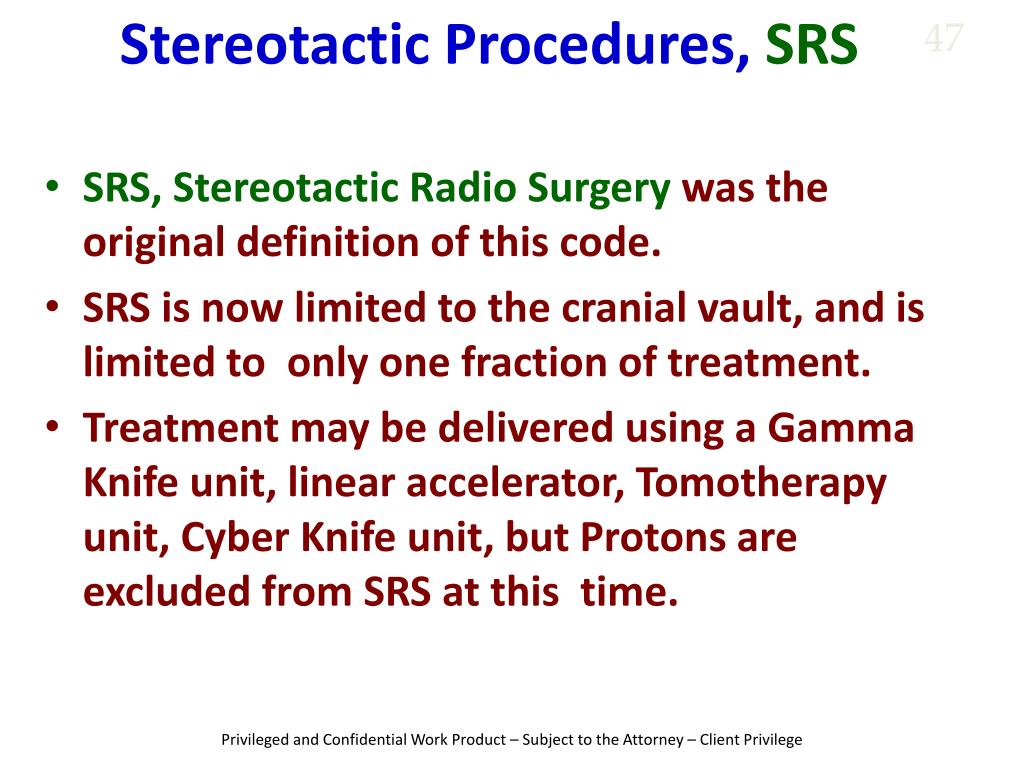
Salvage Radical Surgery is defined as an aggressive surgical intervention aimed at removing recurrent or metastatic cancer that has persisted or reappeared after initial treatment. Its primary purpose is to achieve disease control—either through cure in select cases or prolonged remission in others—while preserving the patient’s quality of life. Unlike palliative surgeries, which focus on symptom relief, SRS targets locoregional or oligometastatic disease (limited metastatic spread) where surgical excision is technically feasible and oncologically justified.
The success of SRS hinges on three key principles: 1. Technical Feasibility: The tumor must be accessible and resectable without excessive morbidity. 2. Oncological Rationale: The patient’s disease burden must be controlled enough to justify the risks of surgery, often requiring oligometastatic status (typically ≤5 metastatic sites). 3. Patient Selection: Candidates must have adequate performance status (e.g., ECOG 0-1) and minimal comorbidities to tolerate major surgery.
"SRS is not a one-size-fits-all solution but a tailored approach for patients who have exhausted standard systemic therapies. Its goal is to convert systemic disease into a localized problem that can be surgically addressed." — Dr. Emmanuel Hewitt, MD, PhD (Memorial Sloan Kettering Cancer Center, 2023)
Historical Overview and Evolution of SRS
The concept of salvage surgery traces back to the early 20th century, when radical mastectomies for breast cancer recurrence became standard practice. However, modern SRS emerged from three pivotal developments:
Table of Contents
- Understanding SRS (Salvage Radical Surgery) in Medical Oncology
- Definition and Primary Purpose of SRS in Cancer Treatment
- Historical Overview and Evolution of SRS
- Comparison of SRS with Other Salvage Therapies
- Timeline of SRS Consideration in Patient Treatment Journeys
- Cancer Types Most Commonly Treated with Salvage Radical Surgery (SRS) and Procedural Insights
- Top Five Cancer Types Treated with SRS: Prevalence, Survival Impact, and Key Challenges
- Role of SRS in Prostate Cancer: Localized Recurrence and Oligometastatic Disease
1. Advancements in Surgical Techniques (1980s–1990s) - Introduction of laparoscopic and robotic surgery, reducing invasiveness while improving precision. - Development of organ-preserving surgeries (e.g., partial laryngectomies for head and neck cancers) to minimize functional deficits.
2. Molecular and Genomic Insights (2000s–Present) - Identification of biomarkers (e.g., HER2 in breast cancer, EGFR mutations in lung cancer) to predict which patients may benefit from surgical salvage. - Recognition of oligometastatic disease as a distinct entity, leading to trials like SURVIVE (2015) and STAMPEDE (2018), which validated SRS in prostate and colorectal cancers.
3. Multidisciplinary Oncology Teams - Shift from siloed care to collaborative models involving surgeons, medical oncologists, and radiologists to refine patient selection and peri-operative management.
Key Milestones in SRS Development:
| Year | Milestone | Impact |
|---|---|---|
| 1950s | Radical salvage mastectomies for breast cancer recurrence. | Established surgical salvage as a viable option. |
| 1985 | First laparoscopic colectomy for colorectal cancer recurrence. | Reduced post-operative complications. |
| 2005 | OLIGO Trial (lung cancer): SRS for oligometastatic NSCLC. | Demonstrated 5-year survival rates of ~40% in selected patients. |
| 2015 | SURVIVE Trial (prostate cancer): SRS for oligometastatic castration-resistant prostate cancer (CRPC). | Showed 5-year survival of 72% vs. 43% with androgen deprivation therapy (ADT) alone. |
| 2020 | ESMO Guidelines endorse SRS for oligometastatic colorectal and head and neck cancers. | Formalized SRS as a standard-of-care option in specific subsets. |
Comparison of SRS with Other Salvage Therapies
Salvage therapies for recurrent or advanced cancers include radiation therapy, chemotherapy, immunotherapy, and targeted therapy. Each modality has distinct mechanisms, indications, and limitations. Below is a comparative analysis focusing on mechanisms, efficacy, and patient suitability.
Mechanisms and Indications:
| Therapy | Mechanism | Primary Indications | Limitations |
|---|---|---|---|
| Salvage Radical Surgery (SRS) | Physical removal of tumor tissue with negative margins. | Oligometastatic disease (≤5 sites), locoregional recurrence, technically resectable tumors. | Not suitable for widespread metastatic disease; high surgical risk in frail patients. |
| Stereotactic Body Radiation Therapy (SBRT) | High-dose, precision radiation targeting tumors while sparing healthy tissue. | Oligometastatic disease (especially lung, liver, bone), inoperable tumors. | Limited by tumor size/location; cumulative radiation dose toxicity. |
| Systemic Chemotherapy | Cytotoxic drugs targeting rapidly dividing cancer cells. | Widespread metastatic disease, systemic control before/after SRS. | Toxicity, drug resistance, no local control. |
| Immunotherapy | Boosts immune response against tumor antigens (e.g., PD-1/PD-L1 inhibitors). | Microsatellite instability-high (MSI-H) cancers, immune-responsive tumors. | Delayed response, primary/secondary resistance, autoimmune side effects. |
| Targeted Therapy | Inhibits specific molecular pathways (e.g., tyrosine kinase inhibitors). | Genetically defined cancers (e.g., EGFR-mutated NSCLC, BRAF-mutated melanoma). | Acquired resistance, limited to molecularly characterized tumors. |
Key Differences in Patient Outcomes: - SRS vs. SBRT: A meta-analysis in JAMA Oncology (2021) showed 5-year survival rates of 45–60% for SRS in oligometastatic colorectal cancer vs. 30–40% for SBRT, though SBRT is preferred for non-resectable lesions. - SRS vs. Chemotherapy: In oligometastatic prostate cancer, the STAMPEDE trial (2020) reported median overall survival (OS) of 54 months with SRS + ADT vs. 39 months with ADT alone. - SRS + Immunotherapy: Emerging data (e.g., NCT03227265 trial) suggests synergistic effects in melanoma, with 3-year OS of 65% in patients undergoing SRS followed by immunotherapy vs. 40% with immunotherapy alone.
"The choice between SRS and other salvage modalities should not be binary but sequential. For example, a patient with oligometastatic colorectal cancer might first undergo SRS for liver metastases, followed by systemic therapy to address any micrometastatic disease." — Dr. Hedy Lee Kindler, MD (University of Chicago Medicine, 2022)
Timeline of SRS Consideration in Patient Treatment Journeys
The decision to pursue SRS is highly dependent on cancer type, stage, prior treatments, and patient-specific factors. Below is a structured timeline outlining when SRS is typically considered, along with relevant survival data from major guidelines.
Typical SRS Timing Table:
| Stage of Cancer | Common Cancer Types | Typical Timing Post-Initial Treatment | Survival Outcomes Data |
|---|---|---|---|
| Localized Recurrence | Prostate (post-radiation), Rectal (post-chemo) | 12–36 months after initial therapy. | 5-year OS: 70–85% (prostate), 40–60% (rectal) with R0 resection (NEJM, 2020). |
| Oligometastatic Disease | Lung (NSCLC), Colorectal, Melanoma | 6–24 months post-diagnosis of metastasis. | 5-year OS: 30–50% (lung), 45–60% (colorectal) with |
Cancer Types Most Commonly Treated with Salvage Radical Surgery (SRS) and Procedural Insights
Salvage Radical Surgery (SRS) represents a critical intervention for patients with recurrent or persistent cancer after initial therapy, offering a chance for long-term survival when other treatments have failed. Its application varies significantly across cancer types, influenced by tumor biology, anatomical constraints, and the patient’s prior treatment history. While SRS is not universally applicable, certain malignancies benefit disproportionately from its precision, particularly when recurrence is localized or oligometastatic. This section explores the five most prevalent cancer types treated with SRS, detailing their specific challenges, procedural nuances, and comparative outcomes with alternative salvage therapies. Emphasis is placed on prostate, rectal, head and neck, lung, and breast cancers, where SRS has demonstrated meaningful survival benefits and functional preservation.
Top Five Cancer Types Treated with SRS: Prevalence, Survival Impact, and Key Challenges
The efficacy of SRS is highly dependent on the cancer type, with some malignancies exhibiting higher recurrence rates in specific sites and better responses to surgical salvage. Below is a ranked overview of the five most common cancers where SRS is frequently employed, based on prevalence, survival data, and clinical guidelines.
| Cancer Type | Primary Sites of Recurrence | 5-Year Survival Rates Post-SRS (Where Available) | Key Challenges in SRS |
|---|---|---|---|
| Prostate Cancer |
|
|
|
| Rectal Cancer |
|
|
|
| Head and Neck Squamous Cell Carcinoma (HNSCC) |
|
|
|
| Non-Small Cell Lung Cancer (NSCLC) |
|
|
|
| Breast Cancer |
|
|
|
Role of SRS in Prostate Cancer: Localized Recurrence and Oligometastatic Disease
Prostate cancer is one of the most common malignancies where SRS plays a pivotal role in salvage therapy, particularly for patients with localized recurrence after radiation therapy (RT) or oligometastatic disease. The prostate’s anatomical confinement and slow-growing nature make it amenable to surgical salvage, even after prior RT-induced fibrosis. SRS in prostate cancer is typically considered for: 1. Biochemical recurrence with detectable disease on imaging (e.g., PET-CT). 2. Localized recurrence in the prostate bed or seminal vesicles. 3. Oligometastatic disease (≤5 metastatic lesions, often in lymph nodes or bone).
The choice between robotic-assisted SRS and open retropubic surgery depends on multiple factors, including prior radiation dose, tumor location, and patient comorbidities. Below is a comparative analysis of the two approaches:
| Feature | Robotic-Assisted SRS | Open Retropubic Surgery |
|---|---|---|
| Surgical Access |
| Salvage radical surgery stands at the intersection of medical innovation and patient resilience, offering a lifeline when other treatments have reached their limits. From prostate to rectal cancers, its role in extending survival and improving quality of life is increasingly supported by data, though challenges remain in patient selection and surgical precision. As oncology continues to evolve, SRS underscores the importance of multidisciplinary collaboration, evidence-based decision-making, and a commitment to personalized care. For patients and caregivers, understanding its potential—and its boundaries—can transform the journey from recurrence to remission, one carefully planned procedure at a time.
Leave a Comment
Comments are moderated before appearing. The data you submit is processed according to the Privacy Policy of Propertyrate.