What Time Is It In London Right Now Explained Clearly Today
Global coordination hinges on precision, and few questions cut to the chase like What Time Is It In London Right Now. At the heart of Europe’s financial and cultural pulse, London’s time zone—whether Greenwich Mean Time or British Summer Time—dictates everything from stock market openings to Wimbledon’s first serve. Yet beneath the surface lies a system of atomic clocks, historical adjustments, and digital synchronizations that most overlook until chaos strikes, like a traveler missing a flight or a trader misplacing a deal.
The answer isn’t just about glancing at a clock; it’s a web of geography, technology, and human ingenuity. From the Prime Meridian’s legacy to the quirks of daylight saving, London’s time zone tells a story of how humanity tamed chaos by dividing the globe into 24 slices. Whether you’re scheduling a call with a City banker, tuning in to Premier League highlights, or navigating the Tube’s peak hours, understanding London’s clockwork isn’t optional—it’s essential. This guide peels back the layers, from the science of synchronization to the cultural ripples of a time zone that still shapes the world.

Understanding the Time Zone of London: A Comprehensive Breakdown
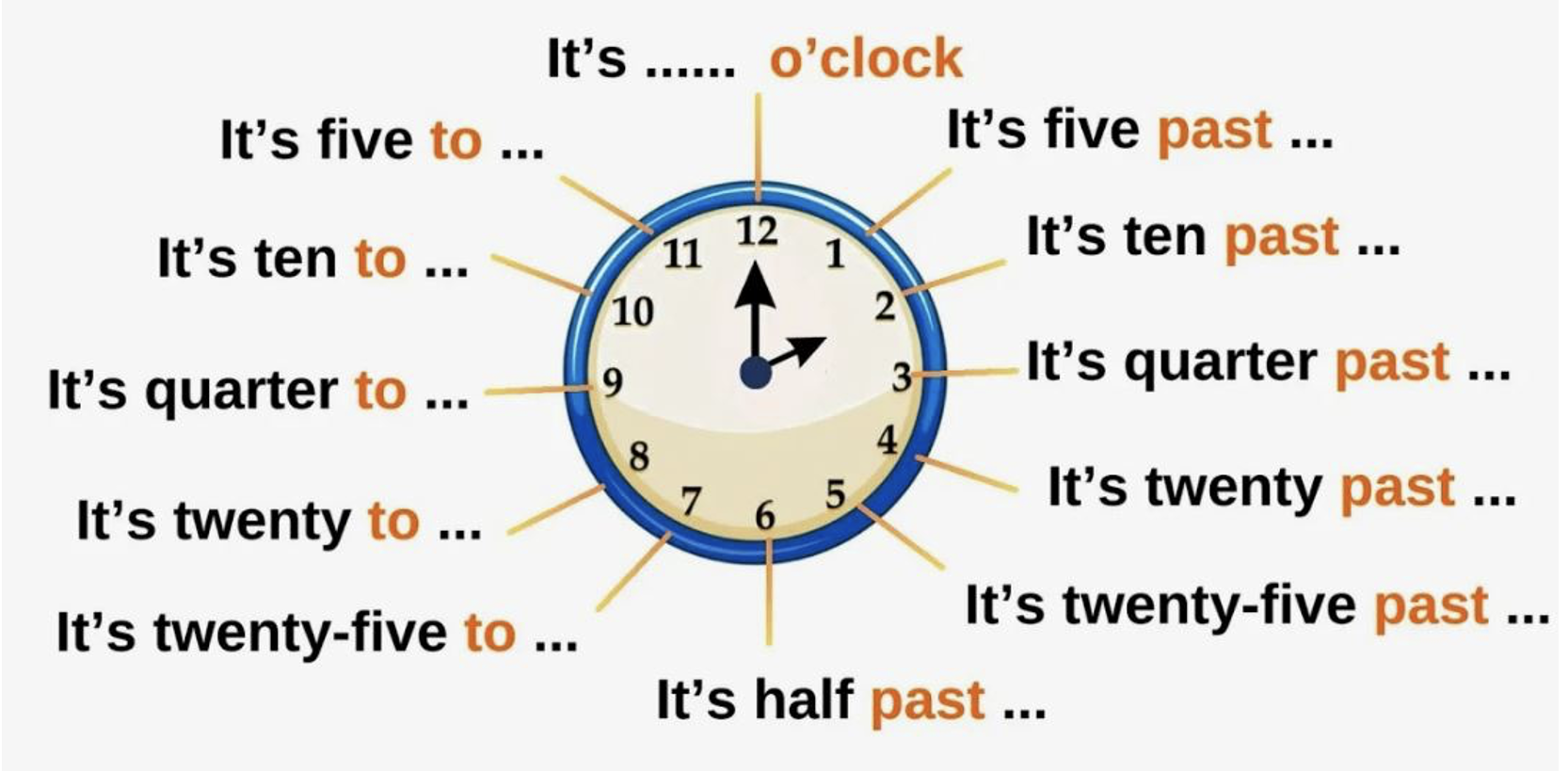
London’s position as a global financial and cultural hub necessitates precise timekeeping, deeply rooted in its geographical coordinates and historical influence on global standards. Located at approximately 51.5074° N latitude and 0.1278° W longitude, London sits near the Prime Meridian (0° longitude), the reference line for Greenwich Mean Time (GMT) and the Coordinated Universal Time (UTC) system. This proximity to the Prime Meridian grants London a pivotal role in defining time zones worldwide, shaping everything from international business operations to astronomical observations. The city’s time zone classification—primarily GMT (UTC+0) and British Summer Time (BST, UTC+1)—reflects both its historical legacy and modern adaptations to daylight efficiency.
The concept of standardized time zones emerged in the 19th century as industrialization and global trade demanded synchronization. Before this, local solar time varied by longitude, causing chaos in railway schedules and financial transactions. In 1884, the International Meridian Conference in Washington, D.C., formalized GMT as the global reference, with the Prime Meridian at Royal Observatory, Greenwich, London, solidifying its role in global timekeeping. This decision transformed London into the epicenter of time standardization, a status it retains today despite the rise of atomic clocks and GPS technology.
Geographical Coordinates and Their Influence on London’s Time Zone
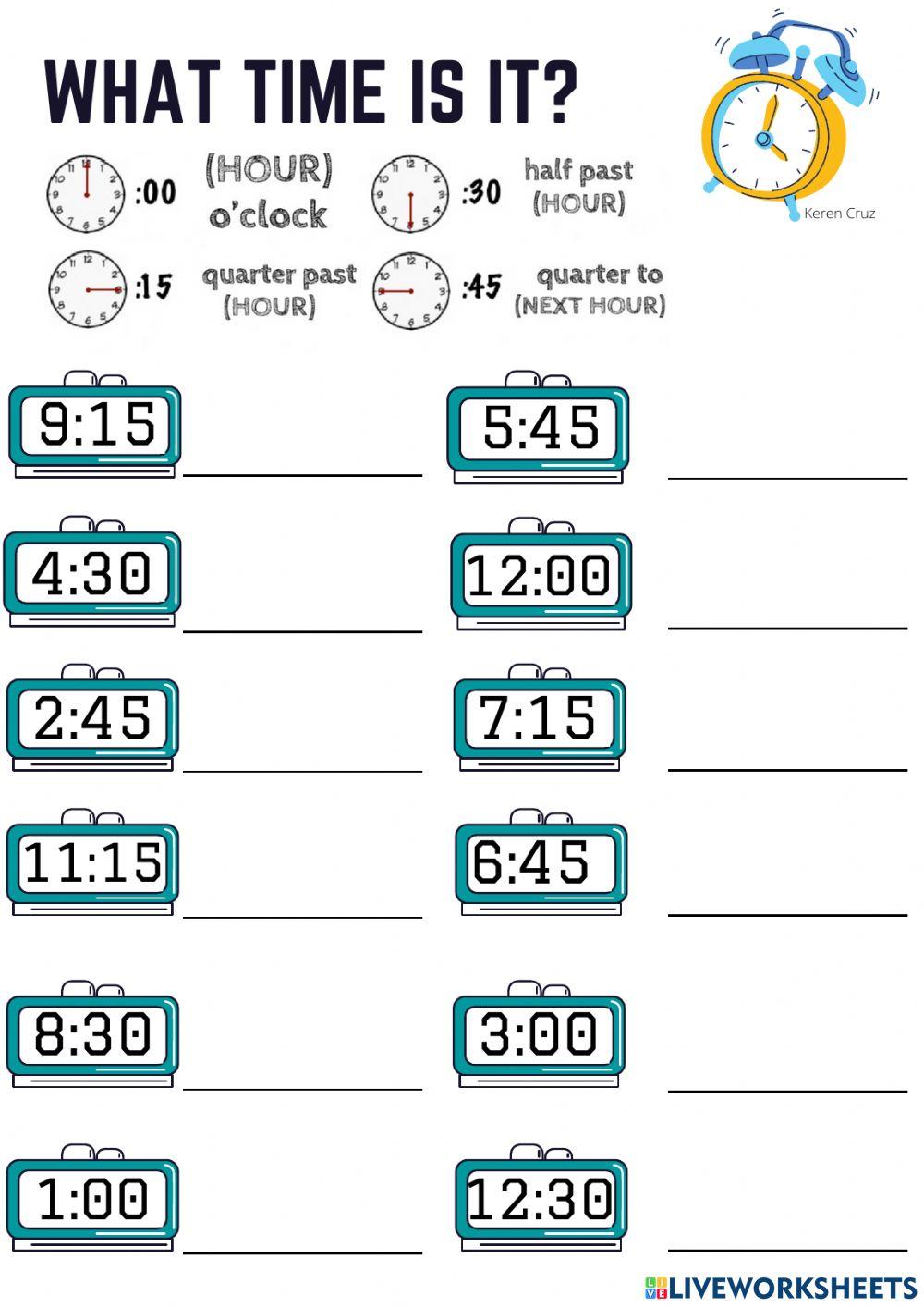
London’s location near 0° longitude places it at the heart of the UTC±0 time zone, aligning it with the Prime Meridian. Unlike cities farther east or west, London does not observe a fixed offset from UTC year-round. Instead, its time zone adjusts seasonally due to daylight saving time (DST), a practice adopted to maximize daylight during summer months. The city’s proximity to the Prime Meridian also means it serves as a neutral reference point for time calculations, influencing how other nations define their local times. For example, cities to the east of London (e.g., Paris, Berlin) are ahead by 1 hour (UTC+1), while those to the west (e.g., Lisbon, Reykjavik) may align with GMT or adopt their own DST variations.
The Earth’s rotation and solar time further complicate timekeeping. A full rotation takes 24 hours, dividing the planet into 24 time zones, each spanning 15° of longitude. London’s longitude of 0.1278° W means its local solar noon (when the sun is highest in the sky) occurs around 12:05 PM GMT, slightly after the clock strikes noon. This discrepancy is negligible for daily life but underscores why standardized time zones were necessary to avoid confusion in scheduling and communications.
Table of Contents
- Understanding the Time Zone of London: A Comprehensive Breakdown
- Geographical Coordinates and Their Influence on London’s Time Zone
- Historical Development of Greenwich Mean Time (GMT) and Its Global Significance
- Key Events Leading to British Summer Time (BST) and Daylight Saving Adjustments
- Comparison Table: GMT vs. British Summer Time (BST)
- London’s Time Zone Compared to Major Global Cities
- How to Check the Current Time in London Instantly: Tools and Methods
- Using Google’s Time Zone Search for Instant London Time Display
- Accessing Real-Time London Time via Smartphone Apps
- Manually Setting London’s Time Zone on Devices
- Comparing Online Tools for London Time: Features and Accuracy
- London Time in Daily Life: Practical Applications and Cultural Nuances
- Financial Markets and Global Business Operations
- Sports Events and Global Broadcast Scheduling
- Public Transportation and Time Zone Dependencies
- Cultural Events and International Celebrations
- International Communications and Meeting Coordination
- Technical Deep Dive: How Time is Synchronized in London
- Atomic Clocks and NTP Servers: The Foundation of Time Accuracy
- GPS and UTC: The Role of Global Navigation in London’s Timekeeping
- Daylight Saving Transitions: Automated Updates Across Systems
- Time Synchronization in IT Infrastructure: Protocols and Code Implementation
Historical Development of Greenwich Mean Time (GMT) and Its Global Significance
The adoption of GMT in 1880 marked a turning point in global timekeeping, replacing the Greenwich Hour Angle used by British navigators. Before GMT, each town in the UK followed its own local solar time, leading to discrepancies of up to 20 minutes between regions. Railways, which expanded rapidly in the 19th century, required a unified system. The Great Western Railway became the first to adopt GMT in 1840, followed by the London and Birmingham Railway in 1847. By 1884, GMT was globally recognized at the International Meridian Conference, where 25 nations voted to standardize time based on the Prime Meridian.
GMT’s significance extends beyond Britain. It became the foundation for UTC, the atomic clock-based standard used in aviation, computing, and global communications. The Royal Observatory, Greenwich, remains the ceremonial home of GMT, hosting the Prime Meridian Line that divides the Eastern and Western Hemispheres. Even today, GMT is used in military, scientific, and maritime contexts, while UTC governs the internet, financial markets, and satellite systems. London’s role in this system ensures its time remains a benchmark for accuracy and coordination.
Key Events Leading to British Summer Time (BST) and Daylight Saving Adjustments
The introduction of British Summer Time (BST) in 1916 was a response to World War I, when Germany and its allies adopted daylight saving to conserve coal for the war effort. The UK followed suit on May 21, 1916, moving clocks forward by 1 hour to extend evening daylight. Initially unpopular, BST was temporarily abandoned after the war but reinstated in 1916, 1940–1945 (as "Double Summer Time" during WWII), and permanently in 1968 under the European Directive on Time Coordination.
The Energy Crisis of the 1970s further solidified BST’s role, as governments worldwide promoted daylight saving to reduce electricity use. Today, BST runs from the last Sunday in March to the last Sunday in October, shifting London from GMT (UTC+0) to BST (UTC+1). This adjustment aligns sunrise and sunset more closely with waking and sleeping hours, though debates persist over its economic and health impacts. The UK government has considered abolishing BST, but no changes have been implemented as of 2023, with the EU’s 2019 proposal to end DST stalled due to member state disagreements.
Comparison Table: GMT vs. British Summer Time (BST)
Understanding the differences between GMT and BST is crucial for travelers, businesses, and digital systems relying on London’s time. Below is a structured comparison:
| Feature | Greenwich Mean Time (GMT) | British Summer Time (BST) |
|---|---|---|
| Time Offset from UTC | UTC+0 (same as UTC) | UTC+1 (1 hour ahead of UTC) |
| Period of Use | October 27 – March 29 (varies slightly yearly) | March 30 – October 26 (varies slightly yearly) |
| Clock Adjustment | Clocks remain unchanged | Clocks moved forward by 1 hour at start; backward by 1 hour at end |
| Purpose | Standard time for winter months | Daylight saving to extend evening daylight |
| Impact on Daily Life |
|
|
| Historical Context | Adopted in 1880; based on Prime Meridian | Introduced in 1916; reinstated in 1968 |
The transition between GMT and BST occurs at 1:00 AM GMT on the specified dates, with clocks either springing forward (BST start) or falling back (BST end). This adjustment is communicated annually by the UK Government and BBC, ensuring public awareness to avoid disruptions in travel, work, and digital systems.
London’s Time Zone Compared to Major Global Cities
London’s time zone—whether GMT or BST—serves as a reference for comparing time differences with other major cities. Below is a structured list of key global hubs, their time zones, and practical implications for business and travel:
London’s time zone adjustments create asynchronous business hours with global counterparts. For instance: - New York (EST/EDT, UTC-5/-4) is 5 hours behind GMT in winter and 4 hours behind BST in summer. - Tokyo (JST, UTC+9) is 9 hours ahead of GMT and
How to Check the Current Time in London Instantly: Tools and Methods
Accurate real-time timekeeping for London is essential for travelers, remote workers collaborating with UK-based teams, and individuals coordinating across time zones. Leveraging digital tools—ranging from search engines and smartphone apps to browser extensions and official government resources—enables instant access to London’s current time with minimal effort. Below are structured methods to retrieve London time efficiently, tailored for different platforms and user needs, including automated syncing for travelers and integration with productivity tools.
Using Google’s Time Zone Search for Instant London Time Display
Google’s search engine provides a quick, no-installation method to check London’s current time by querying "what time is it in London" or "London time now". The search results display a real-time clock widget alongside additional details like time zone offset, daylight saving status, and a map pinpointing London’s location.
To access this feature: 1. Open a web browser (e.g., Chrome, Safari, Firefox) and navigate to google.com. 2. Type the query "what time is it in London" into the search bar and press Enter. 3. The search results page will show a clock icon with the current time in London (e.g., "London, United Kingdom: 15:30 GMT"). 4. Below the clock, Google may include: - A time zone abbreviation (e.g., GMT/BST during daylight saving). - A map marker highlighting London’s position. - A conversion tool for comparing London time with other cities. 5. For users on mobile devices, the search results adapt to a simplified layout, with the clock prominently displayed at the top of the page.
Visual Interface Description: The clock widget typically features a white background with black text, a 12-hour or 24-hour format toggle, and a refresh button to update the time manually. The time zone offset (e.g., "GMT+0") appears in smaller text beneath the clock, while the daylight saving status (e.g., "British Summer Time") may be noted if applicable. On desktop, the widget spans the width of the search results; on mobile, it occupies a dedicated section above the main search results.
Accessing Real-Time London Time via Smartphone Apps
Smartphones offer seamless access to London time through built-in system features, wearable devices, and third-party applications. Below are the most reliable methods, categorized by platform and functionality.
#### Built-in Smartphone Features - iOS (iPhone/iPad): - Open the Clock app and navigate to the World Clock tab. - Tap the + button to add London, then select "London" from the search results. - The app displays the current time, date, and time zone offset (e.g., "GMT/BST") with an option to set alarms or timers for London time. - Apple Watch users can enable "World Clock" in the Watch app (under Complications) to overlay London time on the watch face.
- Android: - Open the Clock app and select the World Clock tab. - Tap the + icon, search for "London", and confirm selection. - Android’s World Clock shows the time in 24-hour format, along with a sunrise/sunset indicator and weather conditions (if enabled). - For Google Assistant users, say "Hey Google, what time is it in London?" to receive a voice response and visual display on compatible devices.
#### Third-Party Apps for Advanced Time Management Third-party applications extend functionality beyond basic time display, offering features such as: - Time Zone Converter (Android/iOS): Supports offline mode, custom alerts for time changes (e.g., daylight saving transitions), and multiple location tracking. - World Clock Widget (Android/iOS): Provides customizable widgets for home screens, with options to display sunrise/sunset times and moon phases. - Clockify or Toggl Track: Useful for remote workers to log hours in London time automatically, syncing with project management tools.
Key Features to Enable: - Daylight Saving Time (DST) Alerts: Apps like Time Zone Converter can notify users 30 days before DST transitions (e.g., March 31–October 27 in the UK). - Offline Access: Critical for travelers in areas with limited internet connectivity. - Batch Location Management: Add multiple UK cities (e.g., London, Edinburgh) for quick comparisons.
Manually Setting London’s Time Zone on Devices
For users who require London time as their primary device time, manual configuration ensures accuracy without relying on third-party tools. The steps vary slightly by operating system but follow a similar logical flow.
#### Windows (10/11) 1. Open Settings (Win + I) and navigate to Time & Language > Date & Time. 2. Under Related settings, select Additional date, time, & regional settings. 3. In the Date and Time window, go to the Time Zone tab. 4. Click Change, then select "(UTC-00:00) Coordinated Universal Time" (London uses GMT/UTC+0 or BST/UTC+1 during DST). 5. Alternatively, set the time zone to "London" by clicking Change time zone and selecting it from the map. 6. Automatic adjustment for DST can be enabled under Date and Time > Additional settings > Automatically adjust clock for daylight saving time.
UI Elements: The Windows time zone selector displays a world map with clickable regions. London’s time zone is labeled as "London" (not just GMT), simplifying selection. The UTC offset is shown in parentheses (e.g., "(UTC+0)"), and a checkmark confirms the active selection.
#### macOS (Ventura/Monterey) 1. Click the Apple menu > System Settings > Language & Region > Date & Time. 2. Ensure Automatic time zone is disabled if manual setting is preferred. 3. Click the Time Zone dropdown and select "London" from the list. 4. To enable DST adjustment, check Set time zone automatically using current location (if using Wi-Fi/Bluetooth) or manually toggle Automatically adjust clock for daylight saving time.
UI Elements: macOS presents a dropdown menu with pre-loaded cities, including London. The time zone offset (e.g., "GMT") appears next to the selection, and a map preview shows the chosen location. The Automatic toggle is visually distinct with a blue switch.
#### iOS/iPadOS 1. Open Settings > General > Date & Time. 2. Toggle off Automatic Time Zone if manual setting is required. 3. Under Time Zone, select "London" from the list. 4. Enable Set Automatically for DST adjustments or manually toggle Time Zone Support to On.
UI Elements: The iOS time zone list is alphabetized, with London appearing under "L". The current offset (e.g., "GMT+1") is displayed next to the selection, and a world map icon indicates the location. The Automatic toggle uses Apple’s standard blue switch design.
#### Android 1. Open Settings > System > Date & Time. 2. Disable Automatic date & time and Automatic time zone. 3. Tap Time zone and select "London" from the list. 4. For DST, ensure Automatic DST is enabled (if available on the device).
UI Elements: Android’s time zone picker varies by manufacturer but typically includes a search bar for quick location lookup. The current offset (e.g., "UTC+0") is shown alongside the city name, and some devices (e.g., Samsung) display a mini map for visual confirmation.
Comparing Online Tools for London Time: Features and Accuracy
Online platforms specialize in time zone data, offering varying levels of precision, additional features, and ease of use. Below is a comparative table of leading tools, evaluated for accuracy, user experience, and unique functionalities.
| Tool | Accuracy | Ease of Use | Additional Features | Pros | Cons | |||||||||||||||||
|---|---|---|---|---|---|---|---|---|---|---|---|---|---|---|---|---|---|---|---|---|---|---|
| timeanddate.com | ⭐⭐⭐⭐⭐ (Real-time, synchronized with atomic clocks) |
London Time in Daily Life: Practical Applications and Cultural NuancesLondon time, governed by Greenwich Mean Time (GMT) and British Summer Time (BST), is more than just a chronological marker—it is the backbone of daily operations, cultural synchronization, and global interactions. From the bustling financial markets of the City of London to the meticulously timed broadcasts of the Premier League, the coordination of public transportation, and the celebration of international events, London time dictates rhythms that ripple across industries and cultures. Understanding its practical applications reveals how time zones shape not only productivity but also social experiences, historical narratives, and even international diplomacy. The precision of London time ensures seamless operations in sectors where timing is critical, while its cultural nuances highlight how societies adapt to temporal differences. Whether it’s the opening bell of the London Stock Exchange, the kickoff of a Wimbledon match, or the countdown to New Year’s Eve across continents, London time serves as a unifying yet sometimes divisive force. This section explores how businesses, sports, transportation, and cultural events rely on London time, along with the challenges and solutions that arise from its global implications.Financial Markets and Global Business OperationsLondon’s position as a global financial hub means its time zone plays a pivotal role in shaping international markets. The London Stock Exchange (LSE), one of the oldest in the world, operates on GMT/BST, with trading hours typically running from 08:00 to 16:30 BST (or 07:00 to 15:30 GMT during winter). This schedule aligns London with major European markets like Frankfurt and Paris, creating a synchronized trading window that influences global asset prices before Asian markets open. The foreign exchange (forex) market, where London accounts for 37% of global trading volume (as per the Bank for International Settlements), operates 24 hours a day, but London’s session—08:00 to 17:00 BST—is the most liquid and volatile. Traders in Asia, the Middle East, and the Americas adjust their schedules to overlap with London’s peak hours, often leading to early-morning or late-night trading in their respective time zones. For example:Sports Events and Global Broadcast SchedulingSports in London are tightly coupled with GMT/BST, but broadcasting these events internationally introduces complex time zone challenges. The Premier League, for instance, follows BST during summer matches, meaning a 20:00 BST kickoff translates to:Public Transportation and Time Zone DependenciesLondon’s public transportation network, including the Tube, buses, and Eurostar trains, operates on GMT/BST, with schedules meticulously adjusted for British Summer Time. The Transport for London (TFL) system, for example, introduces peak-hour adjustments during BST to account for longer daylight:Cultural Events and International CelebrationsLondon’s time zone creates distinct experiences for cultural events, particularly those celebrated globally. New Year’s Eve, for example, is a prime illustration of how time differences reshape traditions. While London’s fireworks at midnight BST mark the start of the new year, the same moment occurs at:
International Communications and Meeting CoordinationScheduling meetings or calls with London-based contacts requires careful consideration of GMT/BST, as misalignment can lead to missed opportunitiesTechnical Deep Dive: How Time is Synchronized in LondonThe precision of timekeeping in London is not merely a matter of convenience but a critical infrastructure supporting global communication, financial transactions, scientific research, and public safety. Behind the seamless display of "What time is it in London right now?" lies a sophisticated network of atomic clocks, protocols, and automated systems that ensure synchronization across every device and service. This technical framework relies on international standards, cutting-edge technology, and meticulous coordination to maintain accuracy within milliseconds—even as the city transitions between daylight saving time or integrates smart technologies into daily life. At the core of London’s time synchronization lies a hierarchical system where atomic clocks serve as the ultimate reference, cascading down to everyday devices through protocols like NTP (Network Time Protocol). The process involves not only physical infrastructure but also digital protocols embedded in global navigation systems, financial markets, and urban IoT networks. Understanding this system reveals how time becomes a universally trusted metric, even as it adapts to seasonal changes or technological disruptions.Atomic Clocks and NTP Servers: The Foundation of Time AccuracyThe primary timekeeping authority in the UK is the National Physical Laboratory (NPL), located in Teddington, southwest London. The NPL operates a network of cesium fountain atomic clocks, which measure time with an accuracy of one second in 150 million years. These clocks are part of the UK’s National Time and Frequency Standards, which provide the reference for Coordinated Universal Time (UTC)—the global time standard adopted by London. UTC is disseminated to the public and private sectors through NTP servers, which act as intermediaries between atomic clocks and end-user devices. The NPL hosts NTP servers that sync with GPS satellites and other atomic clocks worldwide, ensuring that time data is distributed with sub-millisecond precision. Key NTP servers in the UK include:Atomic Clock Principle: "A cesium fountain atomic clock uses laser-cooled cesium atoms in a vacuum chamber to measure the resonant frequency of cesium-133 atoms (9,192,631,770 Hz). This frequency defines the second in the SI unit system, ensuring consistency with UTC."The NPL also collaborates with European Metrology Network (EMN) and International Bureau of Weights and Measures (BIPM) to align UK time with global standards. This ensures that London’s time remains synchronized not just with Europe but with financial hubs like New York, Tokyo, and Hong Kong, where milliseconds can determine market outcomes. GPS and UTC: The Role of Global Navigation in London’s TimekeepingLondon’s reliance on UTC extends beyond clocks to Global Positioning System (GPS) technology, which underpins navigation, logistics, and emergency services. GPS satellites broadcast time signals derived from atomic clocks on board, synchronized to UTC. When a device in London (e.g., a smartphone, aircraft, or shipping vessel) receives GPS signals, it cross-references these timestamps with local time to determine position, speed, and altitude. Key applications where GPS and UTC synchronization are critical include:GPS Time vs. UTC: "GPS time is based on a slightly different atomic clock ensemble than UTC and does not account for leap seconds. However, GPS receivers in London automatically adjust for the difference (~10 seconds over decades) to ensure compatibility with UTC."The integration of GPS with UTC ensures that London’s infrastructure remains interoperable with global systems. For example, when a Eurostar train departs from London to Paris, its onboard systems must align with both UK time (GMT/BST) and French time (CET), all while relying on UTC for navigation and scheduling. Daylight Saving Transitions: Automated Updates Across SystemsThe UK’s transition between Greenwich Mean Time (GMT) and British Summer Time (BST)—observed from last Sunday in March to last Sunday in October—requires seamless coordination across power grids, digital systems, and public clocks. Unlike manual adjustments, modern infrastructure in London relies on automated time synchronization protocols to avoid disruptions. The process involves:Daylight Saving Transition Rules (UK): "At 1:00 AM GMT on the last Sunday in March, clocks move forward 1 hour to 2:00 AM BST. At 1:00 AM BST on the last Sunday in October, clocks move back to 1:00 AM GMT. Systems use the IANA Time Zone Database to apply these rules dynamically."Potential risks during transitions include: Time Synchronization in IT Infrastructure: Protocols and Code ImplementationLondon’s IT infrastructure relies on UTC and NTP to ensure consistency across servers, databases, and applications. Misalignment can lead to data corruption, security vulnerabilities, and operational failures. Below is a breakdown of how time synchronization is implemented in technical systems. Key Protocols:London’s time isn’t just numbers on a dial; it’s the invisible thread stitching together economies, events, and everyday lives across continents. Whether you’re a commuter relying on the Tube’s punctuality, a trader reacting to the London Stock Exchange’s chime, or a traveler jet-lagged by the city’s perpetual motion, the answer to What Time Is It In London Right Now is more than a fact—it’s a gateway to global rhythm. From atomic clocks buried in laboratories to the simple tap of a smartphone app, the system holds, but only if we grasp its mechanics. Master it, and you master a piece of the world’s pulse. |
Leave a Comment
Comments are moderated before appearing. The data you submit is processed according to the Privacy Policy of Propertyrate.