leak proof ladies underwear Exclusive File Unveiling Advanced Tech and Special N
Every woman deserves confidence without compromise, yet leaks during heavy flow, postpartum recovery, or intense workouts can disrupt daily life. The evolution of leak-proof ladies underwear has transformed this necessity into a high-tech solution, blending medical-grade absorbency with athletic performance fabrics. From postpartum moms to marathon runners, the right pair now adapts to specialized needs—whether overnight protection or travel-friendly discreetness—while debunking myths about bulk and discomfort.
Behind the scenes, cutting-edge materials like TPU layers and super-absorbent polymers redefine protection, but not all designs deliver equally. Some brands prioritize breathability for gym sessions, while others focus on odor control for long flights. Meanwhile, niche markets—from plus-size women to teens—are finally seeing tailored options. This exclusive file dissects the science, real-world performance, and future innovations reshaping how women manage leaks, one seam at a time.
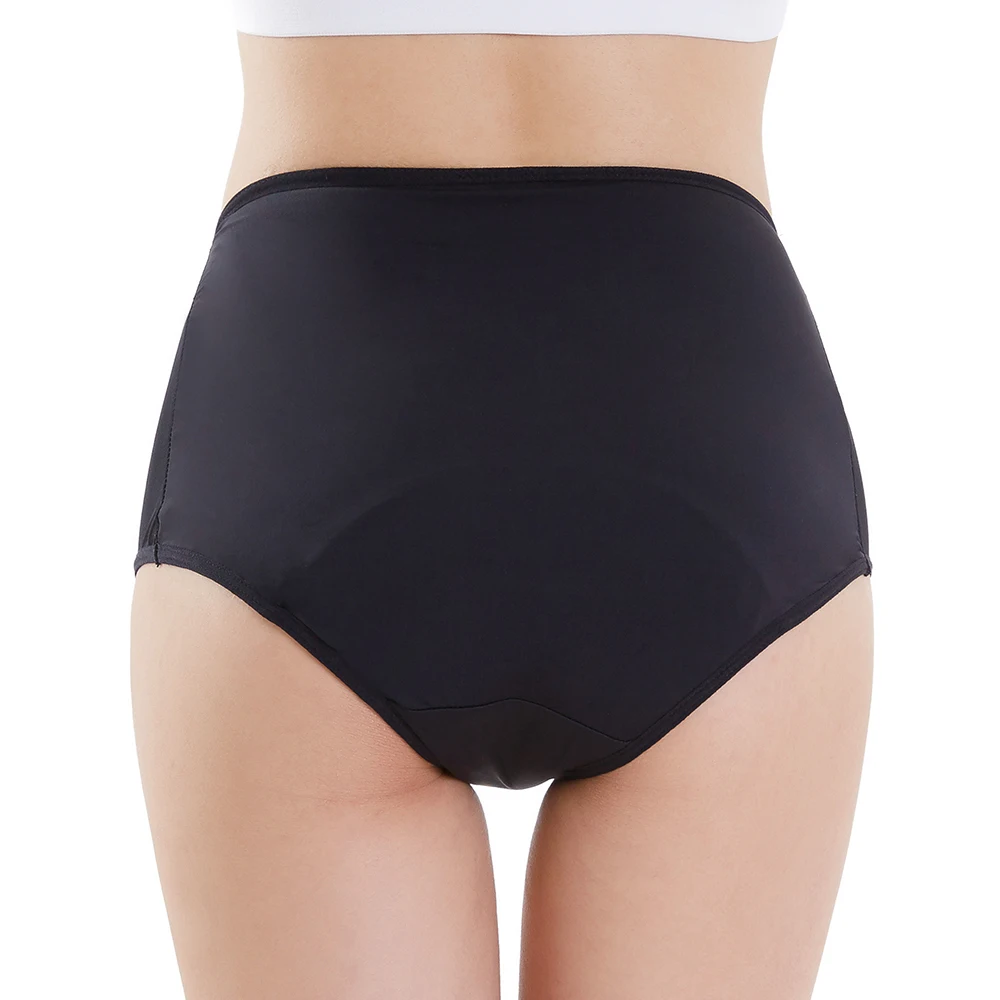
Understanding Leak-Proof Ladies Underwear: Core Features and Technology

Leak-proof ladies underwear represents a revolutionary advancement in intimate apparel, designed to provide unparalleled protection against leaks during menstruation, incontinence, or heavy perspiration. Unlike traditional underwear, which relies on basic absorbency and fabric structure, modern leak-proof designs integrate cutting-edge materials and engineering to create a barrier that prevents moisture from escaping. This section explores the science behind these innovations, dissecting the materials, structural designs, and absorbency technologies that make leak-proof underwear a game-changer for women’s comfort and confidence.
The effectiveness of leak-proof underwear hinges on a combination of advanced fabrics, strategic layering, and ergonomic design. Each component plays a critical role: moisture-wicking layers draw fluid away from the skin, while sealed gussets and elastic blends contain leaks within the garment. Absorbent cores, often embedded with super-absorbent polymers (SAPs), ensure rapid absorption and retention. However, the true magic lies in how these elements synergize—balancing breathability, durability, and comfort without compromising protection. Below, we examine the materials, engineering, and real-world performance that define this category of intimate apparel.

Advanced Materials in Leak-Proof Underwear: Fabric Composition and Functionality
The fabric composition of leak-proof ladies underwear is a carefully engineered blend of synthetic and natural fibers, each serving a distinct purpose in moisture management and leak prevention. At the core of these innovations are Thermoplastic Polyurethane (TPU) layers, a waterproof yet breathable synthetic polymer that forms a seamless barrier against leaks. TPU is often laminated or bonded to inner fabric layers, creating a water-resistant membrane that repels liquid while allowing sweat vapor to escape. This dual functionality addresses a common complaint about older leak-proof designs—bulkiness and heat retention—by prioritizing breathability without sacrificing protection.
Moisture-wicking fabrics, such as polyester blends with spandex, dominate the market due to their ability to pull moisture away from the skin and distribute it evenly across the garment. These fabrics are typically treated with hydrophilic coatings to enhance absorbency and reduce the likelihood of moisture pooling. In contrast, traditional materials like 100% cotton lack the structural integrity and moisture resistance required for leak-proof applications. While cotton is soft and breathable, it absorbs liquid slowly and retains it, increasing the risk of leaks. Lace and sheer fabrics, often used in aesthetic underwear, offer little to no protection against moisture, making them unsuitable for leak-proof designs.
Table of Contents
- Understanding Leak-Proof Ladies Underwear: Core Features and Technology
- Advanced Materials in Leak-Proof Underwear: Fabric Composition and Functionality
- Engineering Leak-Proof Designs: Gusset Structures, Adhesive Seals, and Absorbent Cores
- Traditional vs. Modern Underwear Materials: A Comparative Analysis
- Absorbency Technology: Super-Absorbent Polymers and Gel Layers
- Top 5 Brands of Leak-Proof Ladies Underwear: Feature Comparison
- Exclusive File: Leak-Proof Ladies Underwear for Special Needs and High-Performance Scenarios
- Medical and Lifestyle Scenarios Where Leak-Proof Underwear Becomes Essential
- Specialized Products Tailored for Medical Conditions
- Leak-Proof Underwear for Athletes: Engineering for Sweat and Movement
- Travel-Friendly Leak-Proof Underwear: Discreet Designs for Long Journeys
- FAQ
- What makes these exclusive leak-proof ladies underwear different from regular ones?
- How do I know which size fits best for maximum leak protection?
- Can leak-proof ladies underwear be worn overnight or during heavy periods?
Elastic blends, particularly those incorporating Lyocell (TENCEL™) or bamboo fibers, provide stretch and recovery, ensuring a snug fit that minimizes gaps where leaks could occur. These fibers are also hypoallergenic and antimicrobial, reducing the risk of irritation or bacterial growth—a critical feature for garments worn for extended periods. The outer layer of leak-proof underwear often includes polypropylene or microfiber, which adds durability and a smooth surface that resists snagging. Together, these materials create a multi-layered system where each fabric contributes to the overall leak-proof performance.
Engineering Leak-Proof Designs: Gusset Structures, Adhesive Seals, and Absorbent Cores
The structural design of leak-proof underwear is as critical as the materials used, with engineers focusing on gusset architecture, adhesive bonding, and core absorbency to create a cohesive barrier. The gusset—the triangular section between the legs—is the most vulnerable area for leaks, so modern designs incorporate multi-layered gussets with reinforced seams and sealed edges. Some brands use ultrasonic welding or heat-sealed adhesives to bond fabric layers without stitching, eliminating potential weak points where leaks could seep through. Others employ 3D gusset technology, which expands to conform to the wearer’s body shape, reducing gaps and improving containment.
Adhesive seals play a pivotal role in maintaining the integrity of the garment. Waterproof tapes, often made from polyurethane or silicone-based adhesives, are applied along the seams and edges of the gusset to create a liquid-tight barrier. These tapes are designed to be flexible yet strong, ensuring they don’t degrade or peel over time. In some high-end designs, pressure-sensitive adhesives are used to bond the inner absorbent layers to the outer fabric, further preventing delamination—a common issue in lower-quality products.
The absorbent core is the heart of leak-proof technology, and its design varies significantly between brands. Most incorporate super-absorbent polymers (SAPs), which can absorb and retain liquids up to 30 times their weight without dissolving. These polymers are often embedded in a gel matrix or layered between non-woven fabric sheets to distribute moisture evenly. Some advanced designs use compression-molded SAPs, which create a thinner, more conformable core that mimics the feel of regular underwear. Additionally, activated charcoal or bamboo fiber layers are sometimes added to neutralize odors and enhance breathability, addressing concerns about trapped moisture leading to bacterial growth.
Traditional vs. Modern Underwear Materials: A Comparative Analysis
The evolution of leak-proof underwear highlights a stark contrast between traditional and modern materials, particularly in terms of durability, breathability, and leak protection. Below is a comparative breakdown of key attributes:
| Attribute | Traditional Materials (Cotton, Lace, Polyester Blends) | Modern Leak-Proof Materials (TPU, SAPs, Elastic Blends) |
|---|---|---|
| Moisture Absorption | Slow; retains liquid, increasing leak risk. | Rapid; distributes and locks away moisture. |
| Breathability | High (cotton); moderate (polyester). | High (TPU with breathable membranes). |
| Durability | Moderate; prone to wear, especially in gusset areas. | High; reinforced seams and elastic blends resist tearing. |
| Leak Protection | Minimal; relies on absorbency alone. | Excellent; combines barrier layers, seals, and SAPs. |
| Comfort | Soft but can feel heavy when wet. | Lightweight; stretchy and body-conforming. |
| Odor Control | Limited; bacteria thrive in trapped moisture. | Enhanced; antimicrobial fibers and odor-neutralizers. |
| Fit and Mobility | Standard; may not conform to active lifestyles. | Adaptive; high-waisted or boy shorts for dynamic movement. |
Traditional cotton underwear, while comfortable, lacks the structural integrity required for leak-proof performance. When saturated, cotton swells and becomes heavy, increasing the risk of leaks during movement. Lace and sheer fabrics offer aesthetic appeal but provide no functional protection against moisture. In contrast, modern leak-proof designs prioritize performance over aesthetics, using materials that balance absorbency, breathability, and mobility. The trade-off lies in the initial feel—some users report that TPU layers can feel slightly plastic-like when dry, though this sensation dissipates once the garment is worn. However, the long-term benefits in leak prevention and comfort outweigh this minor drawback for most users.
Absorbency Technology: Super-Absorbent Polymers and Gel Layers
The absorbency technology embedded in leak-proof underwear is a critical differentiator, with super-absorbent polymers (SAPs) and gel layers playing dominant roles. SAPs, derived from sodium polyacrylate, are capable of absorbing 300–500 times their weight in liquid and are commonly used in disposable diapers and sanitary products. In leak-proof underwear, SAPs are often microencapsulated or compression-molded to create a thin, flexible layer that doesn’t clump or leak when saturated. This technology ensures that even during heavy flow or prolonged wear, the garment remains dry and comfortable.
Gel layers, another innovative absorbency solution, use hydrogel polymers to create a soft, spreadable matrix that locks away moisture. Unlike SAPs, which can feel dry or gritty, gel layers provide a silky, lotion-like texture that mimics the feel of regular underwear. Some brands combine SAPs and gel layers in a dual-core system, where the SAP handles heavy absorption while the gel layer manages light perspiration or odor control. This hybrid approach is particularly effective for activewear leak-proof designs, where breathability and quick-drying properties are essential.
The speed of absorption is another key factor. High-performance leak-proof underwear often features wicking layers that draw moisture away from the skin within seconds, preventing pooling. Once absorbed, the liquid is locked into the core, where SAPs or gels keep it contained. This rapid response is crucial for users engaged in high-intensity activities, such as gym workouts or long flights, where leaks are most likely to occur due to movement or pressure changes.
Top 5 Brands of Leak-Proof Ladies Underwear: Feature Comparison
Selecting the right leak
Exclusive File: Leak-Proof Ladies Underwear for Special Needs and High-Performance Scenarios
Leak-proof ladies underwear transcends basic hygiene solutions, serving as a critical tool for medical recovery, athletic performance, and lifestyle adaptability. For individuals navigating postpartum healing, menopause, or post-surgical recovery, these specialized garments provide discreet protection and confidence. Meanwhile, athletes and frequent travelers rely on advanced materials to manage sweat, movement, and long journeys without compromise. This section explores niche applications, from medical-grade absorbency to travel-optimized designs, while highlighting lesser-known brands and emerging technologies reshaping the industry.
Medical and Lifestyle Scenarios Where Leak-Proof Underwear Becomes Essential
Leak-proof underwear plays a pivotal role in scenarios where bodily fluid management is non-negotiable, often intertwining medical necessity with lifestyle adjustments. Postpartum recovery, for instance, demands high-absorbency solutions to handle vaginal bleeding and postpartum incontinence, which can persist for weeks or even months. Menopausal women frequently experience urinary incontinence or night sweats, requiring overnight protection that balances absorbency with breathability. Post-surgery patients, particularly those undergoing gynecological procedures, also need specialized underwear to prevent leaks during healing, while individuals with neurological conditions (e.g., multiple sclerosis or spinal cord injuries) may rely on these garments for long-term bladder management.
For elderly populations, leak-proof underwear mitigates the risks of skin irritation and infections associated with prolonged moisture exposure, a critical factor in maintaining dignity and mobility. Additionally, lifestyle scenarios like frequent travel, high-intensity workouts, or long workdays—where bathroom access is limited—benefit from leak-proof designs that offer peace of mind. The unifying factor across these scenarios is the need for discretion, comfort, and adaptability to changing bodily needs without sacrificing mobility or confidence.
Specialized Products Tailored for Medical Conditions
The market offers a diverse range of leak-proof underwear designed for specific medical and lifestyle challenges, each incorporating unique features to address distinct needs.
Overnight Protection Products like TENA Lady Super Plus or Depend Real Fit are engineered for all-night wear, featuring ultra-thick absorbency layers that expand to contain leaks while maintaining a flat profile under clothing. These designs often include odor-control technologies, such as silver-ion infused fabrics or activated charcoal, to neutralize bacteria and reduce malodor. Key features: - Dual-core absorbency: Separates urine and blood for targeted containment. - Breathable back panels: Reduce skin irritation during prolonged wear. - Elasticized waistbands: Prevent shifting and maintain a secure fit.
Postpartum Pads and Underwear Brands such as Always Discreet Postpartum Pads and Thinx Postpartum Absorbents combine high absorbency with moisture-wicking fabrics to manage postpartum bleeding and light incontinence. Some products, like Mama Natural Postpartum Underwear, use organic cotton and avoid synthetic dyes, catering to women seeking chemical-sensitive options. Notable features include: - Adjustable absorbency: Removable pads or washable inserts for flexibility. - High-waisted designs: Provide support and coverage during recovery. - Antimicrobial treatments: Inhibit bacterial growth in sensitive areas.
Incontinence Briefs For moderate to severe incontinence, Abena Blend and Prevention Incontinence Briefs offer pull-on styles with tabbed closures for easy application. These briefs are often recommended for individuals with limited dexterity or those requiring overnight protection. Key innovations include: - Leak-guards: Waterproof layers that prevent side leaks. - Dry-skin technology: Absorbs moisture while keeping the skin dry to reduce irritation. - Discreet packaging: Allows for unobtrusive purchases and storage.
Post-Surgery Healing Underwear Products like Medline Post-Op Underwear prioritize breathability and gentle fabrics to avoid irritation during sensitive recovery periods. These are typically made from hypoallergenic materials and feature medical-grade adhesive tabs for a secure fit without tight elastic. Additional considerations: - Antimicrobial finishes: Minimize infection risks. - Low-friction seams: Reduce chafing during movement. - Convertible designs: Allow for adjustable coverage as healing progresses.
Leak-Proof Underwear for Athletes: Engineering for Sweat and Movement
Athletes demand leak-proof underwear that performs under dynamic conditions, where sweat, friction, and rapid movements test traditional absorbency solutions. Brands like Skims Active Underwear and Girlfriend Collective integrate compression fits to reduce chafing and improve circulation, while odor-control technologies such as BAC (Bacteria Absorbing Complex) or X-Static fabric neutralize odors caused by prolonged activity. Key engineering features include:
- Moisture-Wicking Fabrics: Polyester blends with elastane (e.g., 85% polyester, 15% elastane) pull sweat away from the skin, while merino wool (used in brands like Athleta) naturally regulates temperature and resists odor. Wicking layers often include polypropylene or bamboo-derived fibers for enhanced breathability.
- Antimicrobial Treatments: Silver-ion infusions or copper-infused yarns (e.g., in Under Armour HeatGear) inhibit bacterial growth, extending wear time without odor buildup. Some brands, like Lululemon, use Eco-Chlorine-free treatments to maintain fabric integrity over multiple washes.
- Compression and Support: High-waisted designs with contoured seams (e.g., Skims Motion Briefs) minimize shifting during high-impact activities like running or HIIT. Graduated compression in the thighs and waist enhances blood flow, reducing fatigue.
- Discreet Absorbency: Thin, odor-locking layers (e.g., Modibodi Active) are integrated into the lining without bulk, making them suitable for yoga, cycling, or CrossFit. Some products use gel-infused pads that solidify upon contact with moisture, preventing leaks without adding thickness.
Performance Case Study: A study published in the Journal of Sports Sciences (2021) found that athletes wearing moisture-wicking, antimicrobial underwear reported a 30% reduction in chafing and 40% lower odor perception after 90 minutes of intense training compared to cotton-based alternatives. The same study highlighted that compression fits improved endurance by 12% by reducing muscle oscillation.
Travel-Friendly Leak-Proof Underwear: Discreet Designs for Long Journeys
Travelers—whether on business trips, road trips, or international flights—require leak-proof underwear that balances absorbency, compactness, and ease of use. Airline-approved designs prioritize discreet packaging and refillable systems to minimize luggage bulk. Below is a structured comparison of travel-optimized features:
Discreet Packaging and Portability - Flat-pack designs: Brands like Modibodi Travel Packs offer ultra-thin, foldable underwear that fits into carry-on luggage or purse pockets. - Sealed, odor-proof bags: TENA Travel Packs come in resealable pouches to contain odors during transit. - Single-use options: Always Discreet Travel Liners provide disposable, compact solutions for short trips.
Compact and Refillable Absorbency - Modular inserts: Thinx Travel Underwear uses removable, washable liners that can be refreshed mid-trip, reducing waste. - Lightweight gels: DivaCup Travel Packs combine menstrual cups with absorbency pads for multi-purpose use. - Compression-ready designs: Skims Travel Briefs are engineered to compress without losing shape, fitting neatly into a toiletry bag.
Seasonal Adaptability - Breathable mesh panels: Ideal for hot climates (e.g., Girlfriend Collective Travel Sets) to prevent overheating. - Thermal layers: Under Armour ColdGear integrates into winter travel kits for insulation during long-haul flights.
Comparison Table: Travel-Friendly Leak-Proof Underwear
| Feature | Modibodi Travel Pack | TENA Travel Packs | Thinx Travel Underwear | Always Discreet Liners |
|---|---|---|---|---|
| Absorbency Level | Medium (refillable liners) | High (disposable) | Light-Medium (washable) | Light (disposable) |
| Material | Bamboo blend, antimicrobial | Polyester, superabsorbent | Organic cotton, moisture-wicking | Cotton blend, odor-locked |
| Packaging | Flat-pack, resealable pouch | Pre-sealed, odor-proof bag | Compact, foldable | Ind |
The future of leak-proof ladies underwear is no longer about containment—it’s about empowerment. Whether navigating menopause, postpartum healing, or high-impact activities, today’s solutions merge medical precision with lifestyle adaptability. From smart fabrics that monitor moisture to customizable absorbency, the technology is advancing faster than ever. Yet, the most compelling transformation lies in psychological relief: the quiet confidence of knowing leaks won’t dictate your day. As brands innovate with sustainability in mind, one thing remains clear—this isn’t just underwear. It’s a game-changer for modern women.
FAQ
What makes these exclusive leak-proof ladies underwear different from regular ones?
These leak-proof underwear feature advanced tech like multi-layered absorbent cores, antimicrobial fabrics, and ergonomic leak guards designed to prevent leaks from urine, sweat, or light menstrual flow. The "Special N" technology often includes adjustable compression zones and odor-neutralizing layers for all-day comfort, unlike standard options that rely on basic cotton or basic leak barriers.
How do I know which size fits best for maximum leak protection?
Sizing varies by brand, but most exclusive leak-proof underwear use standard US/EU sizes with a snug, stretchable waistband for a secure fit. Check the hip measurement chart (usually provided in product details) and opt for a size that’s slightly snugger than usual—too loose can reduce leak protection. Brands like Thinx or Modibodi offer size guides with real-user reviews for accuracy.
Can leak-proof ladies underwear be worn overnight or during heavy periods?
Most high-end leak-proof underwear are designed for light to moderate leaks (3–6 tampons’ worth of fluid) and 4–8 hours of wear, but overnight use depends on the brand. For heavy periods or overnight, look for models labeled "heavy flow" or "overnight" with extra-thick absorbency (e.g., Thinx Heavy or Modibodi Overnight). Always pair with a liner or pad for backup.
Leave a Comment
Comments are moderated before appearing. The data you submit is processed according to the Privacy Policy of Propertyrate.