leak detection tools Early Release revolutionizing infrastructure safety
Underground pipelines burst silently, releasing millions of gallons of water annually while industrial facilities grapple with undetected gas leaks that pose existential risks. The stakes have never been higher as early release leak detection tools emerge from laboratories to real-world applications, promising unprecedented precision before catastrophic failures strike. These cutting-edge systems, often dismissed as experimental, are now being deployed in critical sectors where traditional methods fail—from arctic oil fields to dense urban water networks—reshaping how industries approach infrastructure integrity.
Unlike their mature counterparts, early release tools prioritize adaptability over perfection, leveraging artificial intelligence, acoustic sensors, and drone surveillance to transform leak detection from a reactive process into a predictive science. The technology’s rapid evolution reflects a global shift: regulatory pressures demand faster responses, while economic constraints force businesses to adopt cost-effective solutions without sacrificing accuracy. As adoption accelerates, the question is no longer if these tools will dominate the market, but how industries will integrate them to prevent the next avoidable disaster.
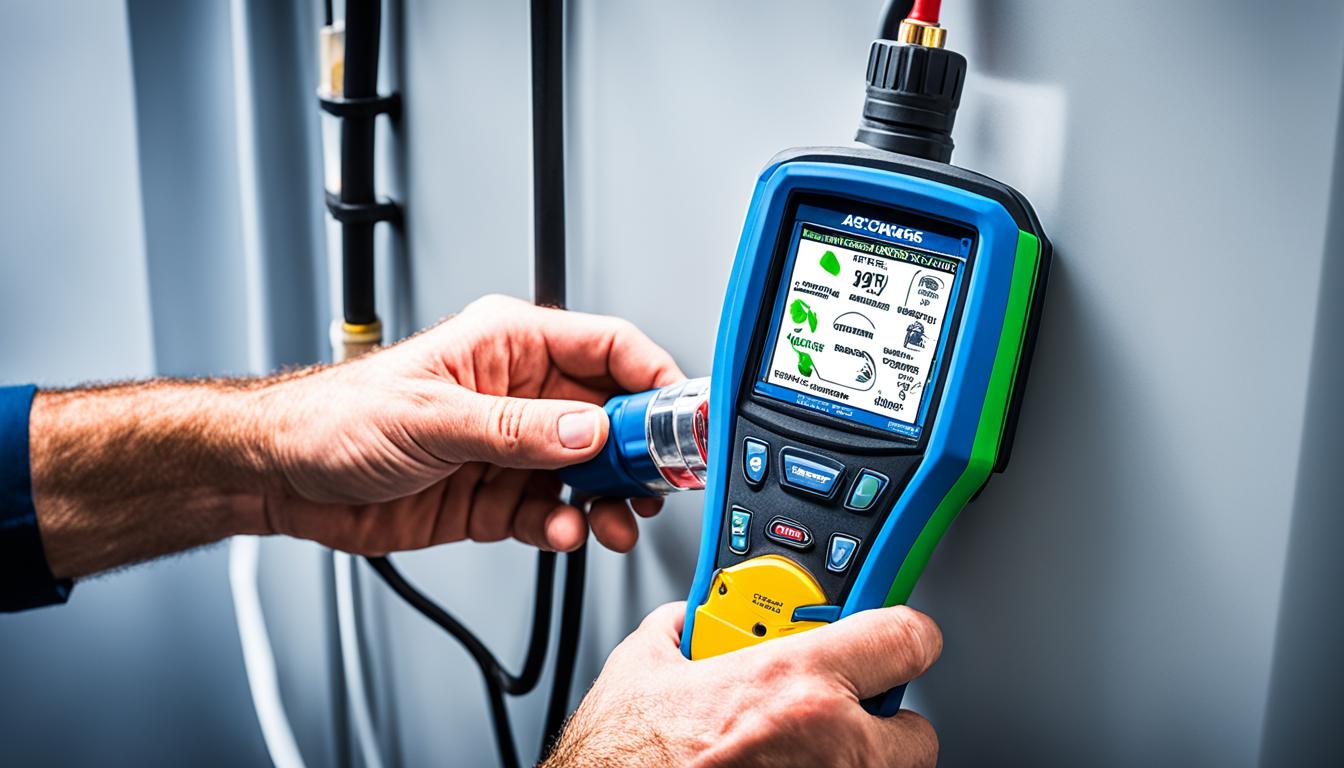
Understanding Early Release Leak Detection Tools: Market Trends and Definitions

The evolution of leak detection technology has undergone a transformative shift in recent years, driven by advancements in sensor technology, data analytics, and automation. Early release leak detection tools represent a pivotal phase in this progression, offering businesses and industries a cost-effective and scalable solution before fully mature systems are commercially available. These tools leverage cutting-edge innovations such as artificial intelligence (AI), Internet of Things (IoT) connectivity, and real-time monitoring to enhance detection accuracy while reducing operational overhead. Unlike traditional systems that rely on manual inspections or basic acoustic sensors, early release tools integrate predictive analytics and machine learning to identify leaks at their inception, minimizing environmental impact and financial losses.
The adoption of these tools is particularly notable in sectors where resource efficiency and regulatory compliance are critical, such as oil and gas, water utilities, and manufacturing. Their emergence aligns with a broader industry trend toward proactive maintenance and digital transformation, where organizations seek to balance innovation with budget constraints. This section explores the defining characteristics of early release leak detection tools, their technological underpinnings, and their growing relevance across high-stakes industries.

Evolution of Leak Detection Tools and the Rise of Early Release Versions
Leak detection technology has progressed from rudimentary methods like visual inspections and pressure testing to sophisticated systems incorporating AI-driven analytics and IoT-enabled sensors. Traditional leak detection relied heavily on manual processes, which were time-consuming, labor-intensive, and prone to human error. The advent of acoustic sensors in the 1990s marked a significant improvement, enabling automated detection of leaks through sound frequency analysis. However, these systems were limited by their reliance on predefined thresholds and lacked adaptive capabilities.
The past decade has witnessed the introduction of early release leak detection tools, characterized by their integration of emerging technologies such as machine learning, cloud-based analytics, and edge computing. These tools are developed in phases, with early versions offering core functionalities while undergoing iterative refinement based on real-world performance data. For instance, early release tools may initially focus on detecting leaks in specific pipelines or infrastructure segments before expanding to comprehensive network monitoring. This phased approach allows developers to validate technology in controlled environments before scaling to broader applications.
Table of Contents
- Understanding Early Release Leak Detection Tools: Market Trends and Definitions
- Evolution of Leak Detection Tools and the Rise of Early Release Versions
- Core Functionalities Distinguishing Early Release Tools from Traditional Systems
- Comparison of Early Release Leak Detection Tools and Established Solutions
- Industries Adopting Early Release Leak Detection Tools and Their Motivations
- Types of Early Release Leak Detection Tools: Technologies and Applications
- Acoustic Leak Detection Tools: Sound Wave Analysis and Environmental Influences
- Deploying Infrared Leak Detection Tools in Industrial Settings: Step-by-Step Procedure
- Gas Sensor-Based Leak Detection: Effectiveness Comparison for Hazardous vs. Non-Hazardous Leaks
- Key Features to Look for in Early Release Leak Detection Tools
- Top 5 Must-Have Features in Early Release Leak Detection Tools
- Hardware Requirements Checklist for Implementing Early Release Tools
- Data Analytics and AI-Driven Insights in Early Release Tools
The shift toward early release tools is also influenced by the increasing complexity of industrial infrastructure. Modern pipelines and water distribution networks often span vast geographical areas, incorporating materials and configurations that challenge traditional detection methods. Early release tools address these complexities by incorporating adaptive algorithms that learn from operational data, improving accuracy over time. Additionally, the rise of Industry 4.0 has accelerated the demand for interconnected systems that can communicate seamlessly with existing infrastructure, further driving the adoption of early release solutions.
Core Functionalities Distinguishing Early Release Tools from Traditional Systems
Early release leak detection tools are differentiated by several key functionalities that set them apart from traditional or fully matured systems. These functionalities are designed to address the limitations of older technologies while introducing flexibility and scalability for future enhancements.
1. Predictive Analytics and Machine Learning: Early release tools employ AI-driven models trained on historical and real-time data to predict potential leak locations before they occur. Unlike traditional systems that react to leaks after they are detected, these tools analyze patterns such as pressure fluctuations, flow anomalies, and sensor data to forecast vulnerabilities. For example, a tool in the water utility sector might use machine learning to correlate weather conditions with increased leak risks in aging pipelines, enabling preemptive maintenance.
2. IoT and Real-Time Monitoring: The integration of IoT devices allows early release tools to collect and transmit data continuously from distributed sensors across infrastructure networks. This real-time capability enables operators to monitor leaks as they happen, reducing response times. Traditional systems often rely on periodic inspections or batch data collection, which can delay detection by hours or days.
3. Adaptive Thresholds and Self-Learning Algorithms: Early release tools dynamically adjust detection thresholds based on operational conditions, such as temperature variations or pipeline aging. This adaptability contrasts with traditional systems, which use static thresholds that may fail to account for environmental or structural changes. For instance, an oil and gas pipeline equipped with an early release tool can recalibrate its acoustic sensors to filter out background noise from seasonal temperature shifts, improving detection accuracy.
4. Modular and Scalable Architecture: These tools are designed with modular components that allow organizations to scale detection capabilities incrementally. A manufacturing plant, for instance, might initially deploy early release tools to monitor its primary fluid transport lines before expanding to secondary systems. This scalability is a departure from traditional systems, which often require comprehensive overhauls to integrate new functionalities.
5. Integration with Existing Infrastructure: Early release tools are engineered to interface with legacy systems, including SCADA (Supervisory Control and Data Acquisition) platforms and enterprise resource planning (ERP) software. This compatibility ensures seamless data exchange between new and existing technologies, reducing implementation barriers. For example, a water utility adopting an early release tool can sync its leak detection data with a central ERP system to automate work order generation and resource allocation.
Comparison of Early Release Leak Detection Tools and Established Solutions
The following table provides a comparative analysis of early release leak detection tools and established solutions, highlighting key attributes that influence their adoption across industries.
| Tool Name | Detection Method | Key Features | Limitations |
|---|---|---|---|
| Early Release Tool A (e.g., AI-Powered Pipeline Monitor) | Acoustic sensors + Machine Learning |
|
|
| Established Solution (e.g., Traditional Acoustic Leak Detection) | Fixed-frequency acoustic sensors |
|
|
| Early Release Tool B (e.g., Water Utility Leak Predictor) | Pressure and flow sensors + AI forecasting |
|
|
| Established Solution (e.g., Manual Inspection + Pressure Testing) | Visual and pressure-based detection |
|
|
The comparison underscores that early release tools prioritize innovation and adaptability, albeit with trade-offs in initial costs and data dependency. Established solutions, while reliable, lack the dynamic capabilities required to address modern infrastructure challenges. The choice between the two often depends on an organization’s budget, technical infrastructure, and long-term strategic goals.
Industries Adopting Early Release Leak Detection Tools and Their Motivations
The adoption of early release leak detection tools is gaining traction in industries where operational efficiency, environmental sustainability, and regulatory compliance are paramount. The following sectors are at the forefront of this trend:
1. Oil and Gas: Companies in this sector face significant risks from pipeline leaks, which can result in environmental disasters, financial losses, and regulatory penalties. Early release tools enable these organizations to monitor vast pipeline networks in real time, using AI to detect anomalies such as corrosion or external damage. For example, a study by the *American
Types of Early Release Leak Detection Tools: Technologies and Applications
Early release leak detection tools represent a paradigm shift in how industries, utilities, and infrastructure managers identify and mitigate leaks before they escalate into costly disasters. These tools leverage cutting-edge technologies to enhance precision, scalability, and real-time monitoring capabilities. From acoustic sensors that decipher the faintest sound of escaping gas to drones mapping vast pipeline networks, each technology addresses specific challenges in leak detection. Understanding their working principles, applications, and limitations allows stakeholders to select the most effective solutions for their operational needs. This section explores the diverse technologies shaping the early release leak detection landscape, their mechanisms, and specialized use cases where they outperform traditional methods.
Acoustic Leak Detection Tools: Sound Wave Analysis and Environmental Influences
Acoustic leak detection tools operate by analyzing sound waves generated by fluid or gas escaping under pressure from pipelines, valves, or joints. These tools are particularly effective for detecting leaks in pressurized systems, where escaping fluids produce distinct frequencies—typically ranging from 50 Hz to 20 kHz, depending on the medium (e.g., gas leaks often emit higher frequencies than liquid leaks). The core principle involves capturing these sounds using microphones or hydrophone sensors, amplifying them, and applying Fourier Transform or time-frequency analysis to isolate leak-specific signatures from ambient noise.
Environmental factors significantly impact performance, including: - Background noise (e.g., industrial machinery, traffic, or wind), which can mask leak sounds. - Distance from the leak source, as sound attenuates over distance (e.g., a 10 dB loss per doubling of distance in air). - Material and pressure of the leaking medium, which influence the frequency and intensity of the acoustic signature. - Weather conditions, such as humidity or temperature fluctuations, which may alter sound propagation.
Industries like oil and gas, water utilities, and HVAC systems rely on acoustic tools for their non-intrusive nature and ability to detect leaks without physical contact. For instance, GE’s Acoustic Leak Detection System uses directional microphones to pinpoint leaks in natural gas pipelines with accuracy within 1–2 meters, even in noisy environments.
Deploying Infrared Leak Detection Tools in Industrial Settings: Step-by-Step Procedure
Infrared (IR) leak detection tools exploit the temperature differential caused by escaping gases or liquids, which often evaporate rapidly and cool the surrounding air. These tools are widely used in refineries, chemical plants, and refrigeration systems to detect leaks of hydrocarbons, ammonia, or refrigerants. The deployment process requires careful planning to ensure safety and accuracy.
Key steps for implementing IR leak detection in industrial environments:
- Pre-Assessment and Safety Briefing Conduct a risk assessment to identify potential hazards, such as toxic or flammable gases. Ensure personnel are equipped with gas monitors, protective gear (e.g., respirators, gloves), and emergency response protocols. Restrict access to the area and implement lockout-tagout (LOTO) procedures for pressurized systems.
- Tool Calibration and Setup Calibrate the IR camera according to manufacturer guidelines, accounting for ambient temperature, humidity, and emissivity of target materials. Use a blackbody reference source to ensure accuracy. For large-scale inspections, mount the camera on a tripod, drone, or mobile platform for broader coverage.
- Environmental Optimization Perform inspections during stable atmospheric conditions (e.g., low wind speeds) to minimize heat dispersion. Avoid direct sunlight or heat sources that could create false positives. For cryogenic systems, use cold-sensitive IR cameras capable of detecting sub-zero temperature anomalies.
- Scan Pattern and Data Capture Systematically scan high-risk areas (e.g., valves, flanges, seals) using a grid or spiral pattern to avoid missing spots. Capture thermal images and video with metadata (timestamp, location, camera settings). For dynamic systems, use time-lapse imaging to observe temperature changes over time.
- Data Analysis and Leak Identification Analyze thermal images for cold spots or temperature gradients indicative of leaks. Use software tools (e.g., FLIR Tools, Thermography Pro) to quantify temperature differences and generate reports. Cross-reference findings with as-built drawings to locate exact leak positions.
- Validation and Reporting Validate suspected leaks using secondary methods (e.g., ultrasonic testing, gas sensors) to confirm false positives. Document findings in a standardized report with images, temperature readings, and recommended corrective actions. Prioritize repairs based on leak severity and safety risks.
- Post-Inspection Review Review the inspection process for gaps or inefficiencies and update training protocols for personnel. Schedule regular maintenance checks for IR equipment to ensure long-term reliability.
Safety Precautions:
Never rely solely on IR imaging for hazardous leaks (e.g., chlorine, hydrogen sulfide); always use multi-gas detectors in parallel. Avoid touching hot or cold surfaces during inspections to prevent burns or frostbite. Isolate the area if a leak is confirmed and evacuate personnel until repairs are completed.
Gas Sensor-Based Leak Detection: Effectiveness Comparison for Hazardous vs. Non-Hazardous Leaks
Gas sensors are a cornerstone of early release leak detection, particularly in environments where toxic, flammable, or environmentally damaging substances (e.g., methane, chlorine, ammonia) pose immediate risks. Their effectiveness varies based on the sensor type, target leak medium, detection range, and response time. Below is a comparative analysis of common gas sensor technologies:
| Sensor Type | Target Leak | Detection Range | Response Time |
|---|---|---|---|
| Electrochemical Sensors | Chlorine (Cl₂), Hydrogen Sulfide (H₂S), Ammonia (NH₃) | 0–100 ppm (parts per million) with calibration adjustments | 15–60 seconds (depends on gas concentration) |
| Catalytic Bead Sensors | Flammable gases (e.g., methane, propane, natural gas) | 0–100% Lower Explosive Limit (LEL) | 10–30 seconds |
| Semiconductor (Metal Oxide) Sensors | Volatile Organic Compounds (VOCs), methane, hydrogen | 1–10,000 ppm (less precise for low concentrations) | 5–20 seconds (faster at higher concentrations) |
| Infrared (NDIR) Sensors | Carbon dioxide (CO₂), methane (CH₄), refrigerants (e.g., R-134a) | 0–100% volume (highly accurate for specific gases) | 1–5 seconds (near-instantaneous for CO₂) |
| Photoionization Detectors (PID) | VOCs, benzene, formaldehyde (non-specific but highly sensitive) | 0.01–10,000 ppm (adjustable lamp intensity) | 1–10 seconds |
| Ultrasonic Gas Leak Detectors | Natural gas, air (non-toxic leaks) | Up to 30 meters (depends on ambient noise) | Instantaneous (real-time sound analysis) |
Key Observations: - Hazardous leaks (e.g., chlorine, H₂S) require highly specific sensors like electrochemical or PID, which offer ppm-level sensitivity but may have slower response times. - Non-hazardous leaks (e.g., water, air) often use ultrasonic or thermal sensors, which are faster but less precise for toxic gases. - Methane detection benefits from NDIR sensors due to their selectivity and speed, critical for environmental compliance (e
Key Features to Look for in Early Release Leak Detection Tools
Early release leak detection tools represent a paradigm shift in infrastructure and industrial safety, offering proactive solutions to mitigate leaks before they escalate into catastrophic failures. These tools combine cutting-edge technology with actionable insights, enabling organizations to minimize downtime, reduce repair costs, and enhance operational resilience. Selecting the right tool requires a nuanced understanding of its core features, particularly those that address scalability, ease of use, and seamless integration with existing systems. The most effective early release tools not only detect leaks in real time but also leverage predictive analytics and AI to anticipate failures, optimize maintenance, and ensure compliance with industry regulations. Below is an in-depth exploration of the must-have features, hardware and software requirements, and the strategic advantages they offer across different operational scales.
Top 5 Must-Have Features in Early Release Leak Detection Tools
The efficacy of early release leak detection tools hinges on five critical features: real-time monitoring, scalability, user-friendliness, integration capabilities, and AI-driven analytics. These features collectively ensure that organizations can deploy solutions that grow with their needs, adapt to diverse environments, and provide actionable intelligence without overwhelming operators.
Real-time monitoring is the cornerstone of early release tools, enabling immediate detection of anomalies such as pressure drops, acoustic signals, or vibrations indicative of leaks. For instance, tools like Fluid Imaging’s Acoustic Leak Detection or Siemens’ Leak Detection Analytics use high-frequency sensors to pinpoint leaks within seconds, reducing response times by up to 90% compared to traditional methods. In 2019, a chemical processing plant in Texas avoided a $5 million spill by deploying a real-time acoustic monitoring system that alerted operators to a pipeline rupture within 30 seconds of its occurrence. Without such tools, the delay in detection would have led to environmental contamination and regulatory fines exceeding $20 million.
Scalability ensures that tools can expand alongside an organization’s infrastructure. Modular systems, such as those offered by Honeywell’s ForeScout Leak Detection, allow businesses to start with a pilot deployment (e.g., monitoring a single pipeline or storage tank) and gradually scale to entire networks. This phased approach is particularly valuable for small to medium enterprises (SMEs), which may lack the capital for full-scale implementation. For large enterprises, cloud-based scalability (e.g., IBM’s Maximo Asset Monitoring) enables centralized management of thousands of sensors across global operations.
User-friendliness is often underestimated but critical for adoption. Tools with intuitive dashboards, such as Schneider Electric’s EcoStruxure Leak Detection, reduce the learning curve for operators. Features like drag-and-drop alert configuration and color-coded severity indicators ensure that even non-technical staff can interpret data accurately. A study by McKinsey & Company found that 68% of organizations cited poor usability as a barrier to adopting advanced monitoring tools, highlighting the need for interfaces that prioritize clarity over complexity.
Integration capabilities bridge the gap between leak detection and broader asset management systems. Tools like OSIsoft’s PI System or AVEVA’s System Platform integrate with SCADA, ERP, and IoT platforms, allowing data to flow seamlessly into existing workflows. For example, a municipal water utility in Barcelona integrated its leak detection system with a GIS mapping tool, enabling real-time visualization of leaks on city-wide infrastructure maps. This integration reduced mean time to repair (MTTR) by 40% by providing field crews with precise locations and historical leak patterns.
AI-driven analytics transforms raw sensor data into predictive insights. Machine learning algorithms, such as those in Cognite’s Data Fusion, analyze historical leak data to forecast potential failure points based on factors like pressure fluctuations, temperature cycles, or material fatigue. In a 2022 case study by Shell, AI-powered leak detection tools predicted three pipeline failures before they occurred, saving $12 million in emergency repairs. Additionally, these tools optimize maintenance schedules by identifying non-critical leaks that can be addressed during routine inspections, reducing unnecessary downtime.
Hardware Requirements Checklist for Implementing Early Release Tools
The physical deployment of early release leak detection tools demands careful consideration of hardware specifications to ensure reliability in diverse operational environments. Below is a comprehensive checklist outlining the essential hardware requirements, categorized by sensor technology, power supply, and environmental resilience.
- Sensor Density and Placement The density of sensors directly impacts detection accuracy. Acoustic sensors require placement every 50–100 meters on pipelines, while vibration sensors may need closer spacing (every 20–50 meters) for high-pressure systems. For storage tanks, level sensors should be installed at multiple depth intervals (e.g., 10%, 50%, and 90% capacity) to detect gradual leaks. Case Study: A natural gas distribution network in Germany increased sensor density by 30% after initial deployments failed to detect small but costly leaks in low-pressure zones.
- Power Supply and Battery Life Tools relying on battery-powered sensors (e.g., wireless acoustic detectors) must have a minimum battery life of 5–10 years to avoid frequent replacements. Solar-powered options (e.g., Siemens’ SolarEdge sensors) are ideal for remote or off-grid locations. For hardwired systems, ensure redundancy in power sources to prevent failures during outages. Industry Standard: IEC 62305 recommends backup power systems for critical infrastructure monitoring.
- Environmental Resistance Sensors deployed in corrosive, high-temperature, or explosive environments (e.g., oil refineries, offshore platforms) must meet IP67 or higher ratings for water and dust resistance. Stainless steel or titanium housings are standard for chemical exposure, while explosion-proof certifications (ATEX, NEC Class I) are mandatory in hazardous areas. Example: Dow Chemical uses NEMA 4X-rated sensors in its Texas facility to withstand hurricanes and chemical splashes.
- Data Transmission Range and Protocol Wireless sensors must support long-range communication (e.g., LoRaWAN, cellular (4G/5G), or Wi-Fi) to ensure connectivity across large sites. Mesh networking (e.g., Zigbee) enhances reliability in areas with signal obstructions. Protocol compatibility with Modbus, OPC UA, or MQTT ensures seamless data transfer to cloud or on-premise systems.
- Calibration and Maintenance Accessibility Sensors should be designed for easy calibration (e.g., auto-calibration every 6 months) and minimal maintenance. Modular designs allow quick replacement of faulty components without disrupting the entire system. Accessibility features, such as remote diagnostics, reduce the need for on-site technician visits.
- Redundancy and Fail-Safe Mechanisms Critical applications (e.g., nuclear power plants, water treatment facilities) require dual sensor systems to cross-verify leak data. Fail-safe modes should trigger automatic alerts if primary sensors malfunction. Regulatory Compliance: NFPA 70 (NEC) mandates redundant monitoring for high-risk fluid systems.
Data Analytics and AI-Driven Insights in Early Release Tools
The integration of data analytics and artificial intelligence into early release leak detection tools marks a shift from reactive to predictive maintenance, enabling organizations to anticipate leaks before they occur. These tools analyze historical data, environmental factors, and operational patterns to identify anomalies that may precede failures. Below are the key applications and benefits of AI in leak detection:
- Predictive Leak Pattern Recognition AI algorithms, such as random forests or neural networks, are trained on millions of data points from past leaks to recognize early warning signs. For example, GE Digital’s Asset Performance Management (APM) uses time-series forecasting to predict leaks based on pressure trends, temperature cycles, and vibration frequencies. In a 2021 study by MIT, AI models achieved 92% accuracy in predicting pipeline leaks up to 72 hours in advance.
- Optimized Maintenance Scheduling Instead of adhering to rigid maintenance schedules, AI-driven tools prioritize inspections based on risk scores. Example: BP’s AI-powered maintenance system reduced unplanned downtime by 25% by focusing resources on high-risk assets identified through predictive analytics. This approach cuts maintenance costs by up to 40% by avoiding unnecessary interventions.
-
Anomaly Detection in Real Time
Unsupervised learning
The race to deploy early release leak detection tools is more than an industrial upgrade—it is a necessity in an era where environmental and economic losses from undetected leaks reach billions annually. From the precision of acoustic sensors identifying micro-fractures in pipelines to AI-driven systems predicting failures before they occur, these tools are redefining safety protocols across oil, gas, water, and manufacturing sectors. The challenge lies not in the technology’s capability, but in overcoming skepticism and integrating solutions that balance innovation with practicality. As industries adopt these early release systems, the future of leak detection is clear: smarter, faster, and far more resilient than ever before.
Leave a Comment
Comments are moderated before appearing. The data you submit is processed according to the Privacy Policy of Propertyrate.