how to make photos nude Telegram Premium Free without legal risks
Telegram’s encrypted platform has become a hotspot for sharing explicit content, but behind its convenience lies a labyrinth of legal pitfalls and ethical dilemmas. Users seeking to create, share, or access nude photos through Telegram Premium often overlook the severe consequences—from hefty fines to criminal charges—especially when laws like the EU’s GDPR or the U.S. NCMEC regulations come into play. The illusion of anonymity on Telegram masks real-world risks, where non-consensual sharing can trigger lawsuits, reputational damage, and even imprisonment, as seen in high-profile cases across jurisdictions.
The allure of free access to explicit content on Telegram Premium channels is undeniable, but the platform’s lack of robust moderation turns it into a legal and psychological minefield. Revenge porn, sextortion, and blackmail thrive in unmonitored spaces, leaving victims vulnerable to exploitation while perpetrators face minimal consequences. Meanwhile, ethical alternatives—such as verified adult platforms with strict consent policies—offer safer avenues for those who prioritize legality and respect. Understanding these risks is not just about avoiding penalties; it’s about protecting mental well-being and fostering a digital environment where boundaries are respected.

Understanding the Risks and Legal Implications of Sharing or Accessing Nude Photos on Telegram
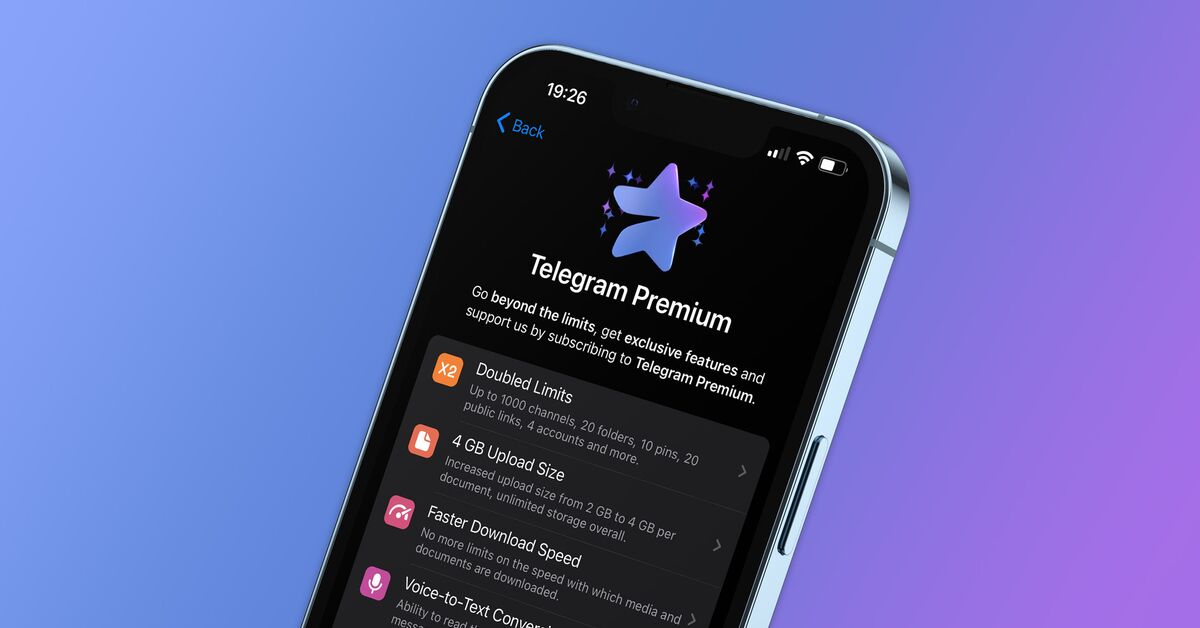
Telegram has grown into a dominant platform for private and public communication, prized for its encryption and vast user base. However, its features—such as secret chats, large file-sharing capabilities, and anonymous channels—have also made it a hotspot for illegal activities, including the distribution and access of explicit content. Beyond ethical concerns, sharing or accessing nude photos on Telegram carries severe legal consequences, varying widely across jurisdictions. These laws often intersect with broader digital privacy regulations, child exploitation statutes, and cybercrime frameworks. Understanding these risks is critical for users, especially those leveraging Telegram Premium for enhanced privacy, who may unknowingly violate laws or expose themselves to exploitation. This section explores the legal landscape, real-world cases, and the platform’s own policies, providing a comprehensive guide to the dangers and repercussions of engaging with explicit content on Telegram.
Legal Consequences of Sharing, Requesting, or Possessing Explicit Content on Telegram

The legal framework governing explicit content on Telegram is complex, as it often overlaps with existing cybercrime, privacy, and child protection laws. Possession, distribution, or even requesting explicit images—whether consensual or non-consensual—can lead to criminal charges, civil lawsuits, and long-term consequences such as asset seizures or travel bans. The severity of penalties depends on factors like the user’s intent, the age of individuals involved, and the jurisdiction in which the offense occurred. For instance, laws in the European Union (EU) under GDPR prioritize consent and data protection, while U.S. federal laws emphasize child safety and cyber harassment. Meanwhile, countries like Singapore and India enforce strict penalties under their Protection from Harassment Act (POFMA) and Information Technology Act, respectively, with imprisonment and fines for non-consensual sharing.
A critical distinction exists between consensual sharing (where all parties involved agree to the distribution) and non-consensual sharing (often referred to as revenge porn or image-based abuse). The latter is universally condemned and prosecuted more aggressively. Telegram’s end-to-end encryption complicates law enforcement efforts, as messages in Secret Chats cannot be accessed by the platform or authorities. However, this does not exempt users from legal accountability; prosecutions often rely on metadata, IP addresses, or user behavior patterns outside encrypted channels.
Comparison of Laws Across Regions: EU GDPR, US Federal Laws, Singapore’s POFMA, and India’s IT Act
The legal treatment of explicit content varies significantly by region, reflecting differing priorities in privacy, free speech, and public safety. Below is a comparative analysis of key jurisdictions, highlighting how each addresses consensual vs. non-consensual sharing, possession, and distribution of nude photos.
Table of Contents
- Understanding the Risks and Legal Implications of Sharing or Accessing Nude Photos on Telegram
- Legal Consequences of Sharing, Requesting, or Possessing Explicit Content on Telegram
- Comparison of Laws Across Regions: EU GDPR, US Federal Laws, Singapore’s POFMA, and India’s IT Act
- Real-World Cases of Telegram Users Facing Legal Action for Explicit Content
- Ethical Alternatives to Accessing or Sharing Nude Photos on Telegram
- Principles of Ethical Consumption of Adult Content
- Comparison of Legal and Ethical Platforms for Explicit Content
- Safe-for-Work (SFW) Adult-Themed Communities on Telegram
- Step-by-Step Guide to Setting Up Private, Invite-Only Telegram Groups for SFW Discussions
Key Legal Frameworks: - European Union (GDPR): Focuses on consent and data protection, requiring explicit permission for sharing intimate images. Non-consensual sharing violates Article 8 (Right to Privacy) and may lead to fines up to 4% of global annual revenue or €20 million, whichever is higher. Member states like UK and Germany have additional laws criminalizing revenge porn under Malicious Communications Act 2003 and Sexualized Violence Act, respectively. - United States (Federal Laws): Primarily governed by 18 U.S. Code § 2261 (Stalking), 18 U.S. Code § 2252 (Child Pornography), and 47 U.S.C. § 230 (Cybercrime). Non-consensual sharing falls under revenge porn statutes in 30+ states, with penalties including fines up to $50,000 and imprisonment for up to 5 years. Federal law also criminalizes child sexual exploitation, with mandatory reporting to NCMEC under COPPA. - Singapore (Protection from Harassment Act, POFMA): Non-consensual sharing is a criminal offense under Section 4(1)(c), punishable by fines up to SGD 5,000 and/or jail time up to 12 months. POFMA also prohibits harassment via electronic communications, including threats to share explicit images. - India (Information Technology Act, 2000): Section 67 (Publishing Obscene Material) and Section 67A (Child Pornography) criminalize explicit content. Non-consensual sharing is addressed under Section 66E (Vigilance Matters), with penalties including 3-7 years imprisonment and fines up to INR 10 lakh. The IT Rules 2021 mandate immediate takedowns of explicit content upon reporting.
Table: Penalties for Explicit Content Violations by Country
| Country | Crime Type | Penalties | Key Laws |
|---|---|---|---|
| European Union | Non-consensual sharing (Revenge Porn) | Fines up to 4% of global revenue or €20 million; imprisonment varies by state (e.g., UK: up to 2 years). | GDPR (Article 8), Malicious Communications Act 2003 (UK) |
| Child exploitation | 10+ years imprisonment; mandatory reporting to EC3 (European Cybercrime Centre). | EU Directive 2011/93/EU, Council of Europe Convention on Cybercrime | |
| United States | Non-consensual sharing (Revenge Porn) | Fines up to $50,000; imprisonment up to 5 years (state laws vary). | 18 U.S. Code § 2261A, State-specific revenge porn laws |
| Child exploitation | Mandatory minimum 15 years imprisonment; asset forfeiture. | 18 U.S. Code § 2252A, COPPA, NCMEC reporting | |
| Singapore | Non-consensual sharing | Fines up to SGD 5,000; jail time up to 12 months. | Protection from Harassment Act (POFMA), Section 4(1)(c) |
| Child exploitation | Up to 10 years imprisonment; mandatory reporting to Singapore Police Force. | Children and Young Persons Act, Computer Misuse Act | |
| India | Non-consensual sharing | 3-7 years imprisonment; fines up to INR 10 lakh. | IT Act 2000 (Section 66E), IT Rules 2021 |
| Child exploitation | 7-10 years imprisonment; fines up to INR 1 crore. | Protection of Children from Sexual Offences Act (POCSO), IT Act 2000 |
Real-World Cases of Telegram Users Facing Legal Action for Explicit Content
Telegram’s encrypted nature has not shielded users from legal consequences, as law enforcement agencies increasingly employ metadata analysis, IP tracking, and undercover operations to identify offenders. Below are documented cases where Telegram users faced prosecution for distributing or accessing explicit content, illustrating the real-world risks:
1. United States (2022) – "Operation Devious Link" - Case: A Telegram channel was used to distribute child sexual abuse material (CSAM) to over 1,000 subscribers. FBI agents traced the channel admin through payment records and user metadata. - Outcome: The admin received a 20-year prison sentence, while 50+ subscribers faced charges under 18 U.S. Code § 2252A. The case highlighted Telegram’s role in CSAM distribution, prompting the platform to ban 1.6 million CSAM-related accounts in 2022.
2. United Kingdom (2021) – Revenge Porn Prosecution - Case: A 23-year-old man shared explicit photos of his ex-partner on a Telegram group without consent. The victim reported the incident to police, who obtained chat logs and IP addresses through a warrant. - Outcome: The perpetrator was convicted under the Malicious Communications Act 2003 and sentenced to 18 months in prison. The case set a precedent for non-consensual sharing prosecutions in the UK.
3. Singapore (2020) – POFMA Violation - Case: A Telegram user threatened to share private photos
Ethical Alternatives to Accessing or Sharing Nude Photos on Telegram
The proliferation of unmoderated platforms for sharing explicit content has raised significant ethical concerns, particularly regarding consent, privacy, and the psychological well-being of users. Telegram, while offering encrypted communication, lacks robust content moderation and legal safeguards for explicit material, exposing users to risks such as exploitation, legal repercussions, and emotional harm. Ethical consumption of adult content prioritizes consent, transparency, and respect for boundaries, ensuring that all parties involved are protected and empowered. This section explores legal and ethical alternatives to accessing or sharing nude photos on Telegram, emphasizing platforms and practices that align with user safety, legal compliance, and mental health.
Principles of Ethical Consumption of Adult Content
Ethical consumption in adult content revolves around three core principles: consent, privacy, and respect for boundaries. Consent must be freely given, reversible, informed, enthusiastic, and specific, ensuring that all participants understand the context and implications of shared material. Privacy involves safeguarding personal data, ensuring anonymity where desired, and avoiding the distribution of explicit content without explicit permission. Respect for boundaries extends to acknowledging and adhering to individual limits regarding content type, frequency, and platform usage.
Platforms that uphold these principles often implement age verification, explicit consent mechanisms, and clear content policies. For example, OnlyFans requires users to verify their age and provides tools for creators to manage who can access their content, while FanCentro emphasizes fan-driven consent through subscription models. Conversely, Telegram’s decentralized nature and lack of built-in moderation tools make it inherently risky for ethical sharing, as users often bypass consent protocols or operate in legal gray areas.
The psychological impact of unethical consumption—such as desensitization to consent violations, addiction, or exploitation—further underscores the need for platforms that prioritize ethical standards. Users should critically evaluate whether a platform’s policies align with their personal values regarding respect, safety, and legality.
Comparison of Legal and Ethical Platforms for Explicit Content
Telegram’s lack of content moderation, payment transparency, and user verification distinguishes it from dedicated adult platforms designed with ethical and legal safeguards. Below is a comparison of key platforms based on privacy policies, moderation, user protections, and payment systems.
"Ethical platforms treat content creators and consumers as stakeholders, not commodities. Transparency in policies, consent mechanisms, and moderation reduces harm and fosters a safer community." — Dr. Emily Nagoski, Sex Educator and Author of Come as You Are
Key Ethical Platforms and Their Features:
| Platform | Content Moderation | Payment System | User Verification | Privacy & Consent Policies | User Safety Features |
|---|---|---|---|---|---|
| OnlyFans | Manual reviews, creator-controlled access | Direct fan payments (10% platform fee) | Age verification, ID checks for creators | Explicit consent for subscriptions; DMCA takedowns | Reporting tools, two-factor authentication |
| ManyVids | Community flagging, automated filters | Subscription-based (monthly fees) | Age verification, email confirmation | Strict anti-revenge-porn policies; verified creators | Content ID system, age-restricted sections |
| FanCentro | Creator-moderated, fan approvals | Tip-based or subscription models | Age verification, PayPal/Stripe | Consent-driven sharing; no unauthorized distribution | Secure payment gateways, creator support team |
| Patreon | Community guidelines, automated filters | Tiered subscriptions (platform takes 5-12%) | Age verification, email/ID checks | Creator-defined content rules; DMCA compliance | Reporting abuse, subscription management tools |
| XTube | Automated filters, user reporting | Ad-supported or premium memberships | Age gates, cookie consent | Copyright strikes, age restrictions | Content ID claims, parental controls |
| Telegram | None (user-moderated or unmoderated) | No built-in payments (third-party bots) | None (self-declared age) | No consent enforcement; legal risks for users | Encrypted chats, but no abuse prevention |
Analysis: - OnlyFans and FanCentro excel in creator empowerment through direct payments and consent-based sharing, but their lack of automated moderation can lead to inconsistencies. - ManyVids and XTube rely on algorithmic filters, reducing human bias but risking over-censorship or false positives. - Patreon offers flexible monetization but struggles with scalability for explicit content due to payment restrictions. - Telegram’s absence of moderation creates a high-risk environment for unethical sharing, as users often exploit its lack of oversight for illegal or non-consensual activities.
For users seeking ethical alternatives, platforms like ManyVids (for amateur content) or OnlyFans (for professional creators) provide structured environments where consent and privacy are prioritized. However, even these platforms require active user vigilance to report violations and adhere to community guidelines.
Safe-for-Work (SFW) Adult-Themed Communities on Telegram
Telegram hosts numerous Safe-for-Work (SFW) groups and channels focused on art, roleplay, fetish discussions, and educational content without explicit material. These communities cater to users who wish to explore adult-related interests legally and ethically, often centering on fantasy, cosplay, or academic discussions. Below are categories of SFW Telegram groups and examples of reputable channels:
Categories of SFW Adult-Themed Communities: - Artistic Nudity and Illustration: Groups dedicated to figure drawing, digital art, or photography that adhere to community guidelines (e.g., no explicit poses without context). - Roleplay and Fantasy: Text-based or written roleplay communities where users engage in consensual, fictional scenarios without visual content. - Fetish and Kink Discussions: SFW forums for discussing BDSM, fetishes, or lifestyle practices with an emphasis on safety, aftercare, and consent. - Educational and Academic: Channels focused on human anatomy, sexology, or historical depictions of nudity in art and literature. - Cosplay and Costuming: Communities where users share costume designs, makeup tutorials, or themed photography without explicit content.
Examples of SFW Telegram Channels/Groups: 1. @ArtNudeCommunity – A group for SFW nude art with strict rules against explicit content; members share anatomically correct sketches and paintings. 2. @FetishLifestyleSFW – A discussion-based group for exploring kink culture, negotiation, and safety protocols without explicit media. 3. @HistoricalNudity – Focuses on historical, mythological, or literary depictions of nudity, often with educational resources. 4. @CosplayRoleplay – A text-based roleplay community where users create fantasy characters and scenarios without visual content. 5. @AnatomyForArtists – A learning-focused group sharing medical illustrations, tutorials, and references for artists. 6. @EroticLiteratureSFW – A channel for discussing erotic writing, poetry, or fanfiction in a moderated, SFW environment.
Why SFW Communities Matter: These groups provide legal and psychologically safe spaces for users to engage with adult-related interests without the risks associated with explicit content. They foster creativity, education, and community while adhering to platform policies and ethical standards. Users can set personal boundaries (e.g., avoiding graphic descriptions) and curate their experience without exposure to illegal or harmful material.
Step-by-Step Guide to Setting Up Private, Invite-Only Telegram Groups for SFW Discussions
Creating a private, invite-only Telegram group for SFW adult-themed discussions allows members to explore interests safely and legally. Below is a structured approach to setting up and moderating such a group while minimizing risks.
Step 1: Define Group Purpose and Rules Before creating the group, outline: - Primary focus (e.g., art discussion, roleplay, educational content). - Content restrictions (e.g., no explicit images, no personal identifiable information (PII)). - Moderation policies (e.g., how disputes or rule violations will be handled). - Invitation criteria (e.g., age verification, background checks for sensitive topics).
Example Group Rules: > *"This group is for SFW discussions related to [topic]. All members must: > - Adhere to community guidelines (no explicit content, no harassment). > - Respect privacy and consent
The pursuit of nude photos on Telegram Premium may seem harmless, but the legal, ethical, and psychological costs far outweigh the temporary thrill. From navigating regional laws that criminalize non-consensual sharing to recognizing the red flags of illegal activity, users must tread carefully. Ethical consumption—whether through verified platforms, SFW communities, or private, moderated groups—provides a safer path forward. By prioritizing consent, privacy, and mental health, individuals can shift from risky behavior to responsible engagement, ensuring their digital interactions remain both legal and respectful.
Leave a Comment
Comments are moderated before appearing. The data you submit is processed according to the Privacy Policy of Propertyrate.